Next to running shoes, the is perhaps the most crucial part of your running wardrobe – especially on windy and chilly days. The running jacket is the outer layer on your torso, and its main task is to protect you from weather and wind. The jacket acts as your shield against cold and possible rain and wind.
Your legs will likely stay warm – after all, they do the hardest work. But if your torso is cold, you risk overstraining your legs in your hurry to get back to warmth.
And it's certainly more enjoyable to run when you're warm and comfortable throughout the journey.
Lined or Not?
Within all jacket categories, you'll find options for lined and unlined jackets. It's natural to consider if you particularly feel cold or warm in your current running attire.
But it's also wise to think about how you'll use the jackets: A lined jacket can manage without too many extra layers underneath but loses some versatility. Unlined jackets, with the right layers underneath, can be used year-round.
Remember the Base Layer
REMEMBER that a good running jacket is not very valuable if what you have underneath is not optimal. For the coldest spring runs, we strongly recommend using a snug, sweat-wicking baselayer (base layer/ski undershirt) that efficiently wicks sweat away from the skin to keep you dry. Running in regular cotton shirts or similar will guarantee a cold and clammy experience – no matter how good your running jacket is.
Here you can find our extensive range of base layers ideal as the innermost layer paired with a protective running jacket as the outer layer.
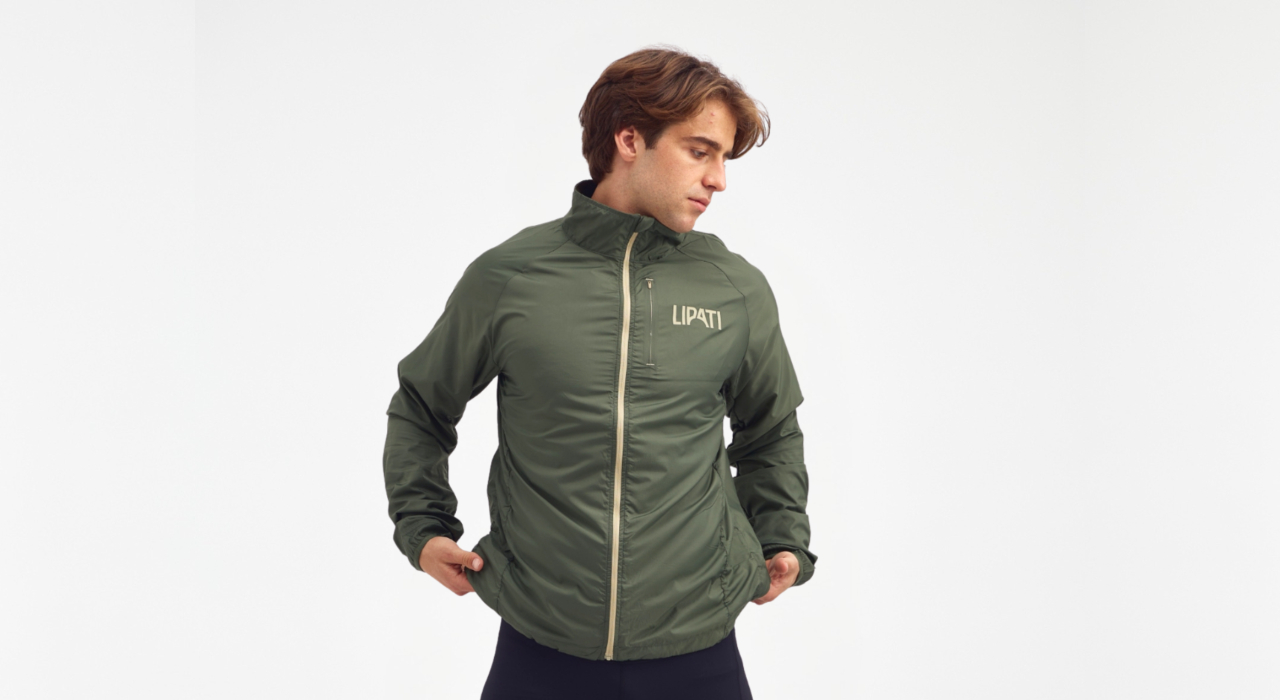
Windproof Running Jackets
The so-called windbreaker. A legendary piece of clothing every runner should have in their wardrobe. Together with long tights, it may be the most iconic apparel for a runner: Slightly oversized and stiff in material with vent panels under the arms.
Simple yet essential, as it works all year round: The summer day when rain made the day cooler; the autumn day when darkness slowly sets in, and the jacket needs extra reflectors; the winter morning when you find three layers between the jacket and your skin; the spring day when the wind has just started to calm down.
The reason the jacket is so versatile is precisely because it's "only" windproof. The jacket can be made without a waterproof membrane, which would make it tighter and warmer. Windproof jackets are more breathable than waterproof ones, but if you dress according to the above tips, they can keep most runners warm even through winter.
The jacket's greatest strength is also a minor weakness. Being windproof and water-repellent makes jackets vulnerable to rain. If you're chilly, there's more warmth to be found in the next category.
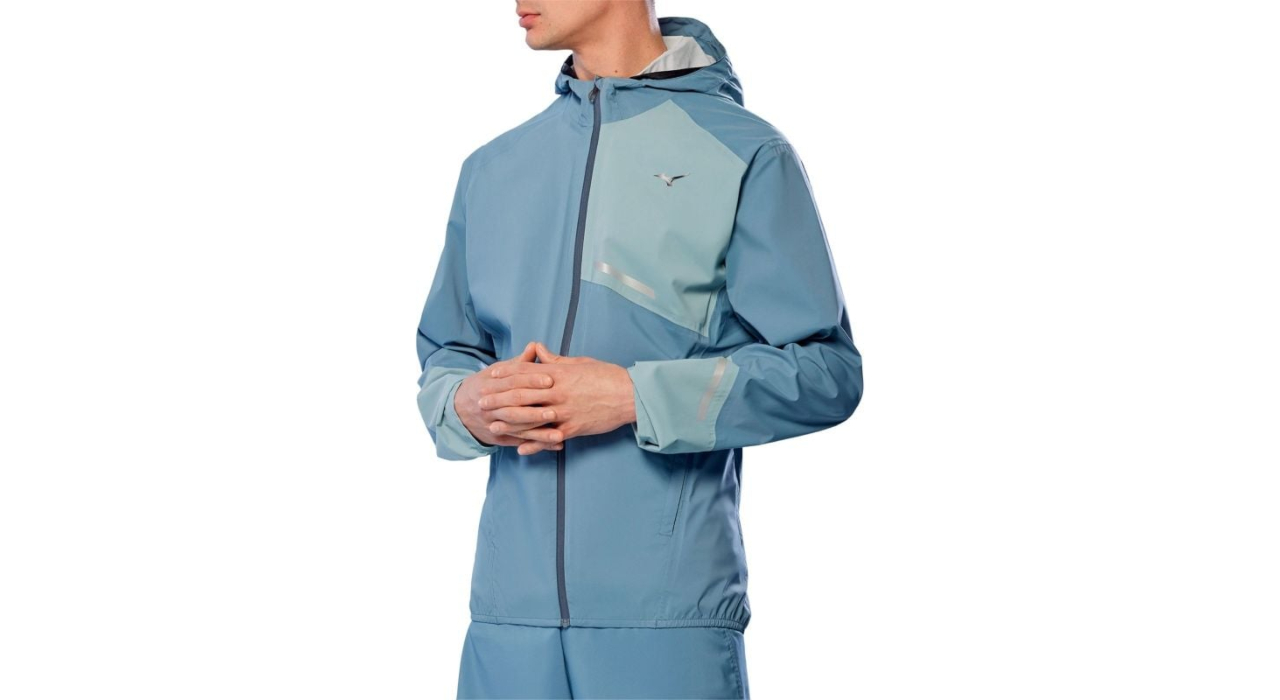
Waterproof Jackets
The waterproof jacket divides opinions: For some, it's the only thing that can get them out during the winter months, while for others, it's like a plastic bag with no breathability. Whether you're one or the other is hard to know, but ask yourself if you mainly freeze or sweat while running? If you're the latter with a windproof jacket, a waterproof one might not be necessary.
It is, however, if you're among the former or know yourself well enough to know you'll go for a run even when it's pouring.
On those days, there's nothing better than pulling the hood over your hair and maybe hiding behind a neck warmer.
If you're among those who sweat mainly, and perhaps need a cooling outer layer, consider a running vest.
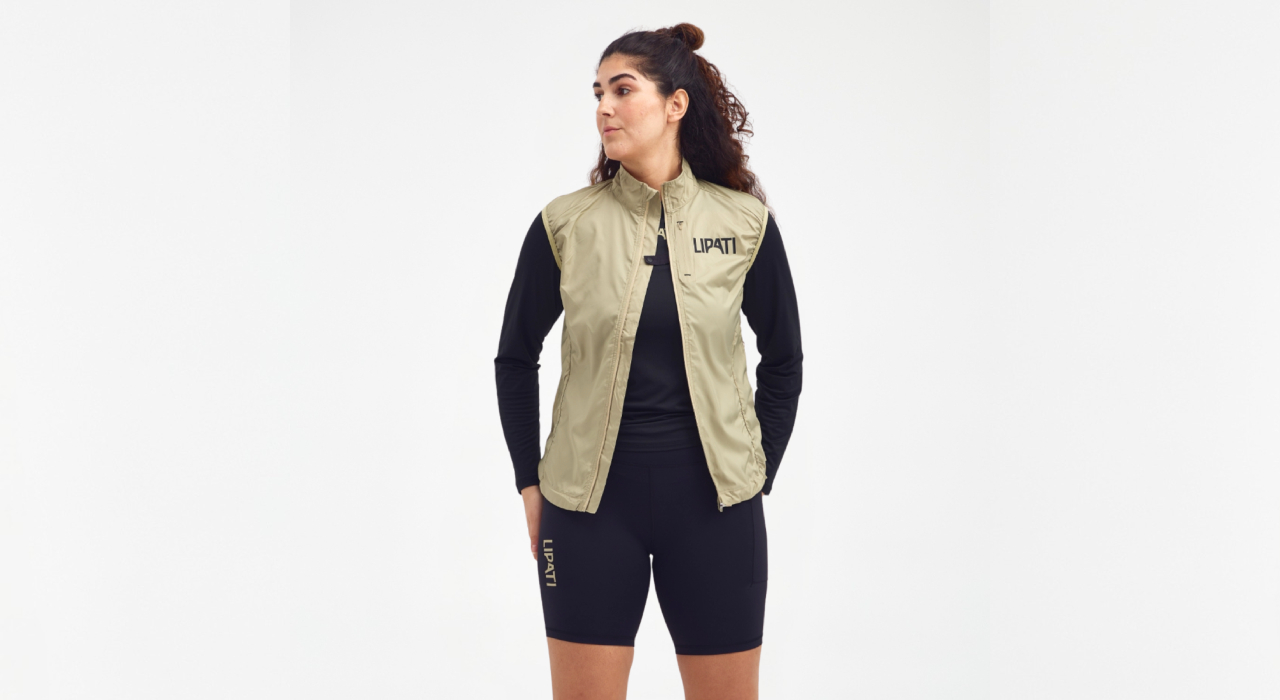
Running Vests
The importance of a warm torso cannot be stressed enough: It helps you manage your pace more easily and hopefully avoids illness. If warmth isn't an issue for you – maybe the opposite – consider a vest.
This gives you the ability to keep close to the warmth your body generates, while having a large area, in the form of your arms, partially exposed and more easily releasing heat.
Vests are often wind- and water-resistant, as waterproofing isn't as crucial because the lack of sleeves doesn't help. They can be more or less lined, making them more or less versatile: A lined vest won't do in summer, while an unlined vest – with the right layers underneath – can work throughout winter.
Most importantly, ensure you're visible in the dark. Always wear a reflective vest if running in darkness.
Didn't Find a Favorite?
Or see the entire range of running apparel here:
More Inspiration?
Find more articles in our inspiration universe.