
It's the day before your race. You're nervous. It's buzzing. You can't find peace. "What should I eat? When should I eat? What should I drink? Should I run? Shouldn't I run? Have I trained correctly at all?" Questions pile up in your head, and suddenly you're unsure about EVERYTHING. Anyone who's set to run a race probably knows the feeling. And if you're about to run a race, you'll soon experience it.
But take heart! In this article, I guide you through many questions that might arise, and provide a checklist of things to remember, so you can remain calm and focus on running your race.
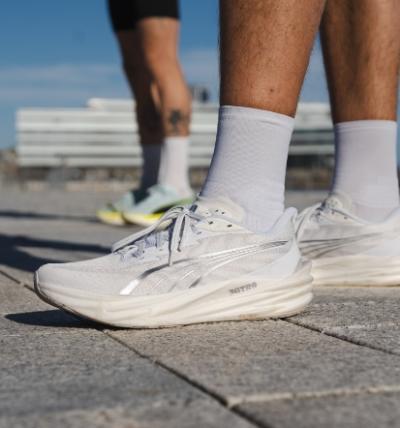
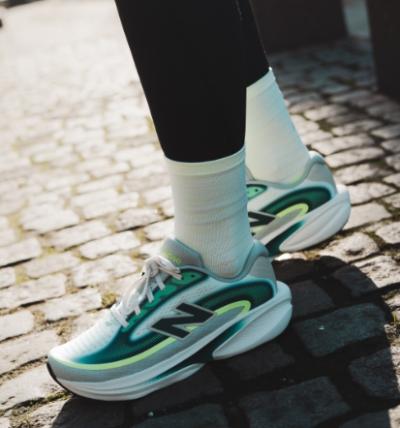
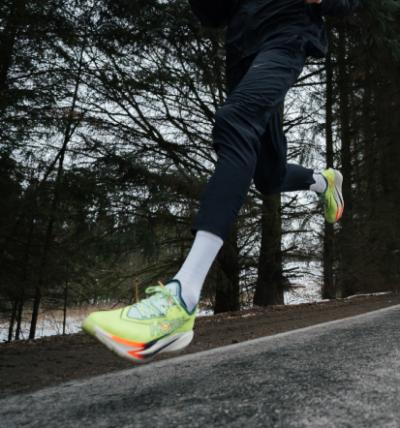
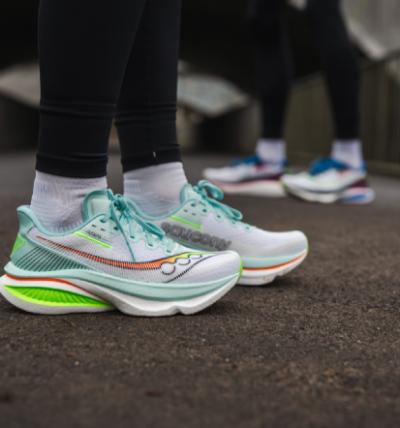
Additionally, we suggest a training shoe to aid your post-race training and a race shoe for the event.
Checklist for the Day Before Your Race
- Plan where and what you'll eat. Eat dinner early with plenty of carbs
- Keep a water bottle with you to sip regularly
- Avoid excessive walking
- Plan race day morning
- Pick up your race number
- Lay out your clothes and attach your race number
- Remember, you can't change your fitness level
Food and Drink
Your intake is crucial, especially for longer distances like half marathons and marathons. For 5 or 10 km, just avoid eating unusually and steer clear of anything upsetting your stomach.
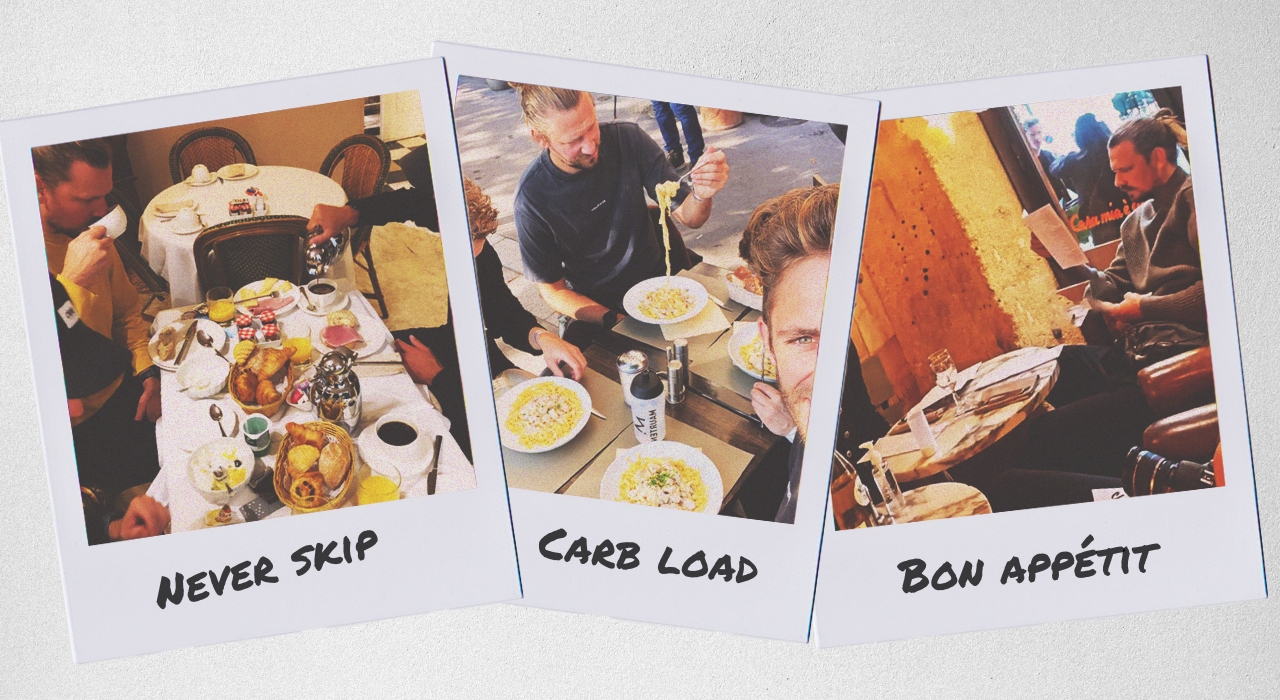
If running a half or full marathon, carb-loading is beneficial for most. Your diet should include more carbs than usual, while still including fat and protein. Avoid heavy meals like steak with rich sauces; opt for a substantial pasta dish with tomato sauce and a small chicken piece, or a large rice portion with lean protein.
Read also: Nike Vaporfly 4 – The Best Yet?
Avoid eating dinner late, as it may affect sleep if you go to bed with a full stomach. It's also good to be somewhat hungry for breakfast the next day.
If traveling for your race, reserve a restaurant table in advance, ensuring they serve something suitable, so you're not searching last minute.
Regarding hydration, keep well-hydrated without overdoing it. Always have fluid nearby to sip, even if not thirsty. Check urine color: light yellow is ideal, clear may indicate overhydration, and dark yellow means more fluid is needed.
Drinking water with electrolytes ensures good salt balance. For a marathon, drink carb-rich sports drinks like Maurten or High5. A soda the day before is also fine.
What Should You Do?
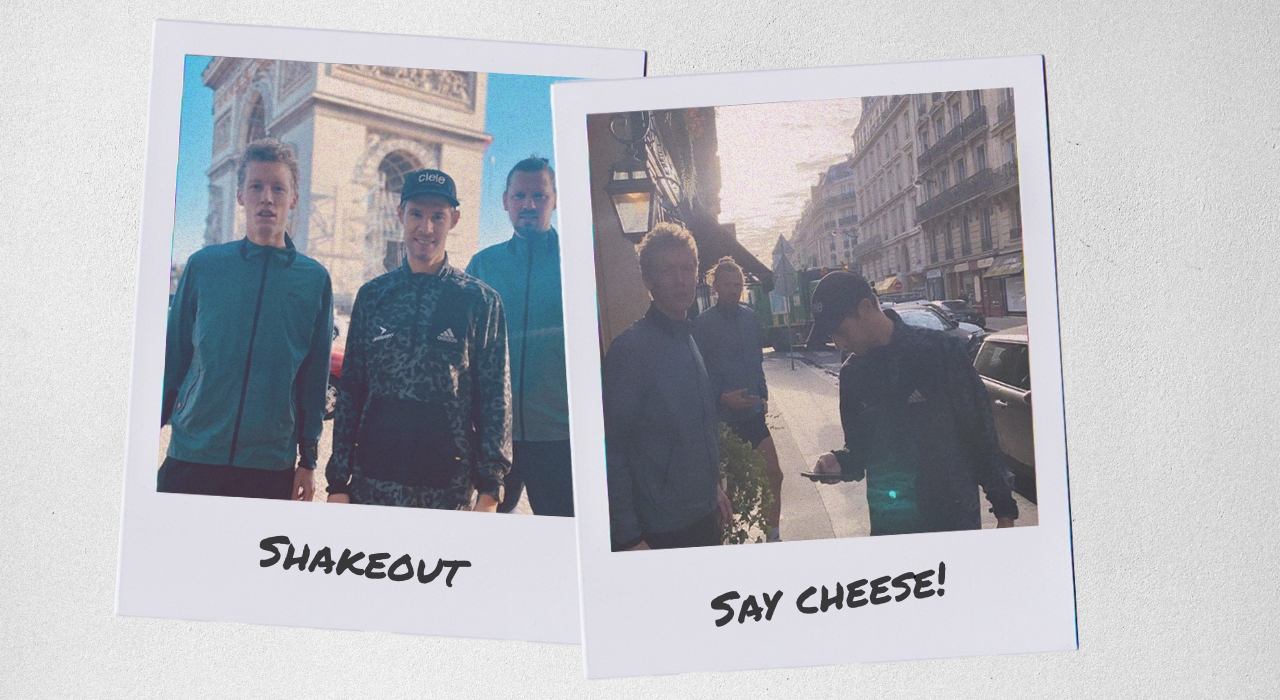
A simple yet complex question. Simple because you should do as little as possible, but complex because you still need to do something. A relaxed short run including 4-5 strides (10-second near-sprints) is advisable. The run should last 20-25 minutes with low intensity.
This keeps blood flowing, refreshes your legs, sends nerve signals to boost performance, and allows better carb loading than resting.
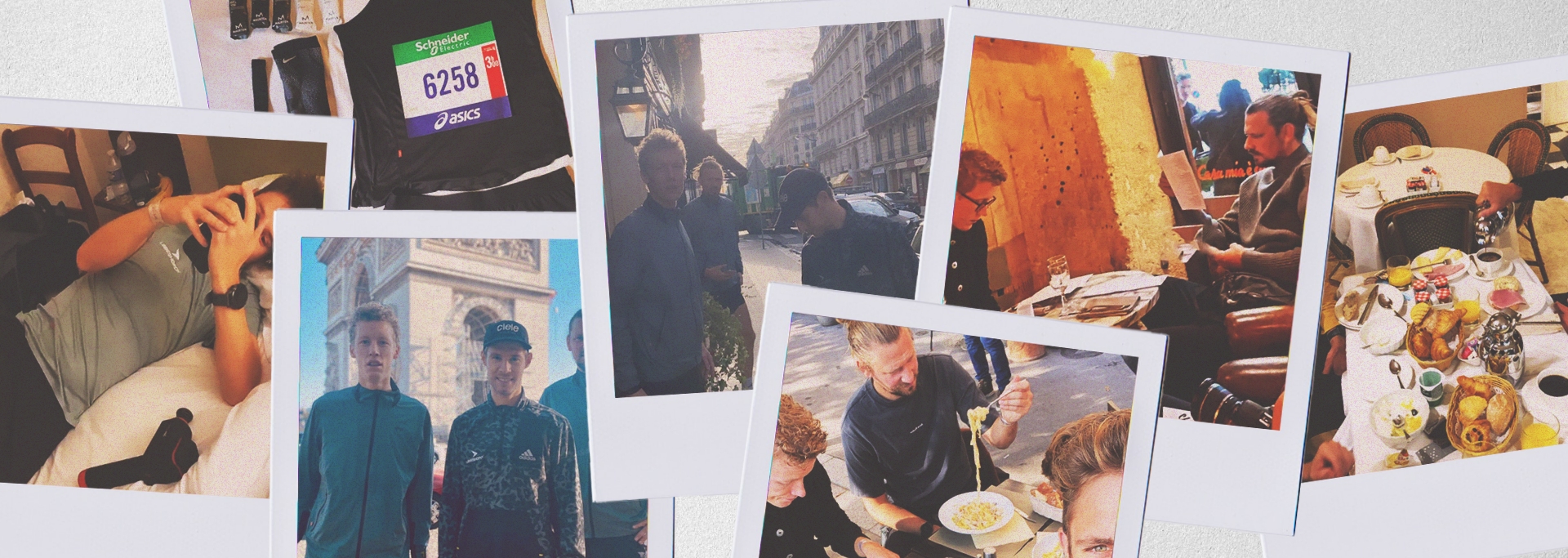
You'll likely need to pick up your race number. Do so early to avoid queues. Explore the expo if there's one, but don't overdo it to keep your legs fresh. Ensure safety pins for your number; I've been caught out in Berlin without them before, which was frustrating.
Read also: adidas Supernova Rise 2 – Kilometer Warrior in Comfort
After collecting your number, focus on relaxing. If abroad for your race, sightseeing can be tempting, but beware of walking too much. Consider renting a bike or finding a cafe to relax while viewing the city.
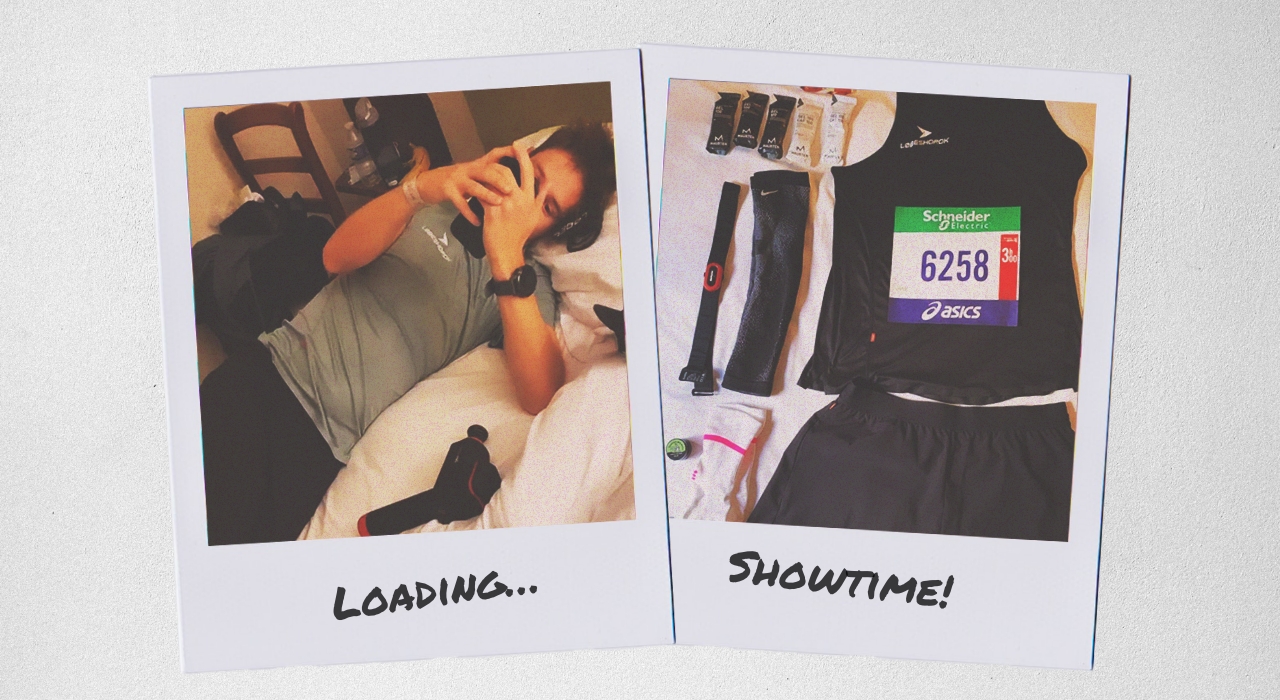
In your room, prepare everything needed for the race. Secure your number to your shirt, ensuring all is ready for the next day. For half or full marathons, review your energy intake plan. This prevents last-minute stress over missing items or energy plans.
Mental Preparation!
Now, for what's going on in your head. If you've trained enough, there's little more to do. Boost your confidence by speaking to yourself in the second person: "You can do it" instead of "I can do it."
I like planning my race day to ensure everything's in order. This includes planning breakfast timing, the route to the start, where to store clothes, and toilet access near the start. This allows me to relax and think about non-race related things, reducing stress.
I hope this guide helps you have a great race.