is one of the key items in your wardrobe – especially for the transition season. I'll guide you through the pros and cons of various running jacket features – one thing is certain, your running jacket must suit you and your needs for enjoyable runs this transition season.
It can be tricky to know how much clothing and how warm a layer you need when heading out for a run. A good rule of thumb is to check the weather forecast and your upcoming session. It’s very personal whether you prefer to be slightly cold for the first kilometers, knowing you'll warm up, or choose a running jacket that’s a bit warmer. Ideally, after 10-15 minutes of running, you should feel comfortably dressed.

Fit
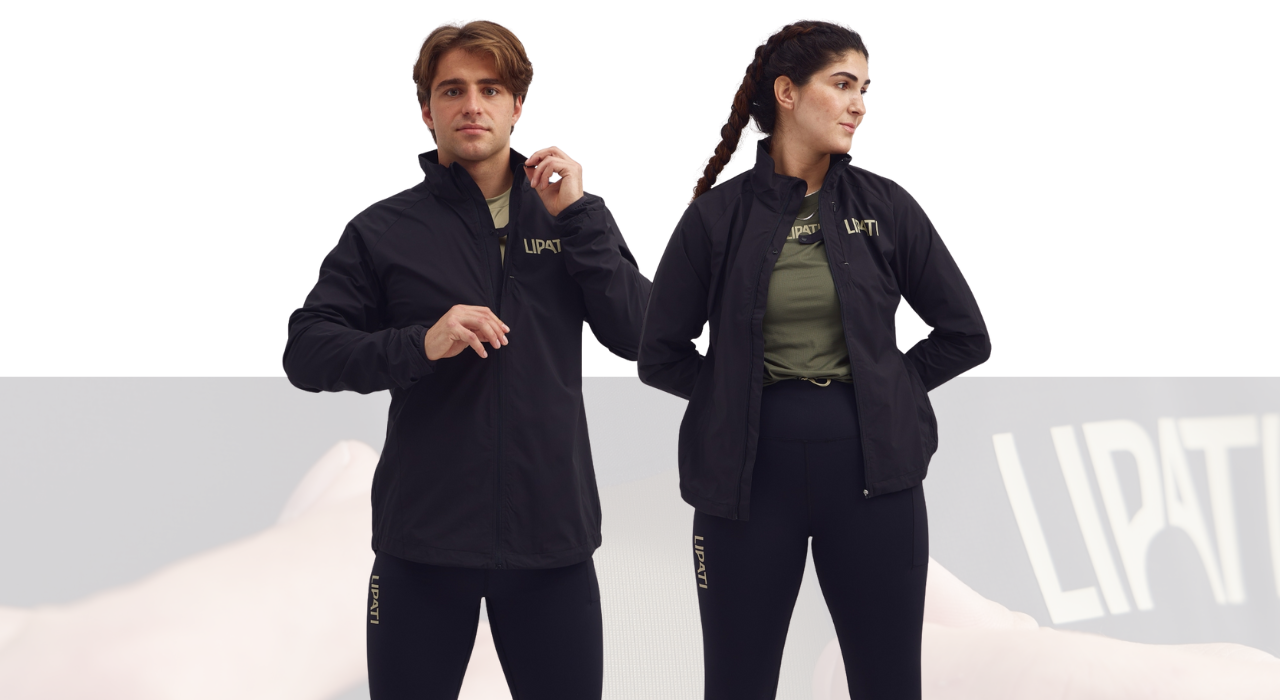
Fit is very personal. Some find a close-fitting running jacket essential to minimize flapping, especially in wind. Running jackets with stretch panels on the sides offer greater freedom of movement during your runs. Others prefer a looser, perhaps more oversized running jacket, allowing extra room for base layers underneath – and because they find it comfortable not to have anything too tight while running.
Breathability
Breathability is a definite advantage in running jackets. For multiple reasons. It provides better comfort and makes it easier for your body to release excess heat, which I think many of us prefer during our runs.
Material
When looking for a new running jacket, material and jacket features are what I notice first. The running jacket is my outer layer, and its main function is protection against the elements. It’s crucial for my runs that I feel warm and comfortable – so I can focus on the specific training session.
Running jackets come in ultra-light materials like polyester, which many prefer for its lightness. Others prefer a running jacket with some lining inside. Personally, I don’t think one excludes the other. I choose based on the session I’m running and consider the base layer under my running jacket.
A water-repellent running jacket is great in windy conditions and when temperatures are between 4-12 degrees.
There are also waterproof running jackets. The advantage is they primarily keep rain out, functioning like a raincoat. The downside is they typically have less breathability.
Pockets
Pockets are a go-to feature on running jackets – at least for me. And preferably many! Pockets come as zippered and slip pockets, each serving different functions. For storage and often placement.
Chest pockets are seen on more running jackets, as many prefer this placement. The advantage of chest pockets is that many find it’s where their phone stays best, stable and unnoticeable.
The largest pockets for accessories, like gloves and hats, and perhaps a water bottle, are primarily on the sides or lower back, where you don’t notice the bulk.
Side pockets may be smaller, mainly for keys and gels. Gels need to be super accessible for long runs, which is a major advantage of side and chest pockets.
Reflectors
A crucial feature for the transition season is reflectors on the running jacket. This ensures you’re always visible, whether on early morning runs or evening kilometers.
Details
Thumbholes are also found on most running jackets. Especially during the transition season when hands may start out cool, thumbholes work well. They allow you to skip gloves. For me, thumbholes are great because I find gloves too warm for running. Hoods are a divisive feature. There are pros and cons. Many like having a hood to pull up if it rains, while others find it more of a hindrance than a help.
Running jackets
See the full range of running jackets here: