


Four degrees, windy, and you're soaked in sweat after twenty minutes. As soon as you slow down, the wet shirt feels cold against your skin. Here, you might consider wool instead. Merino wool handles this situation well: it continues to insulate even when damp. This is one of several reasons why wool has made its way from the mountains and ski trails into the running apparel drawer. But it's not the right choice for every outing.
This guide covers what merino wool can do, what it can't, and when to choose it over synthetic, for running, skiing, and the rest of the active life.
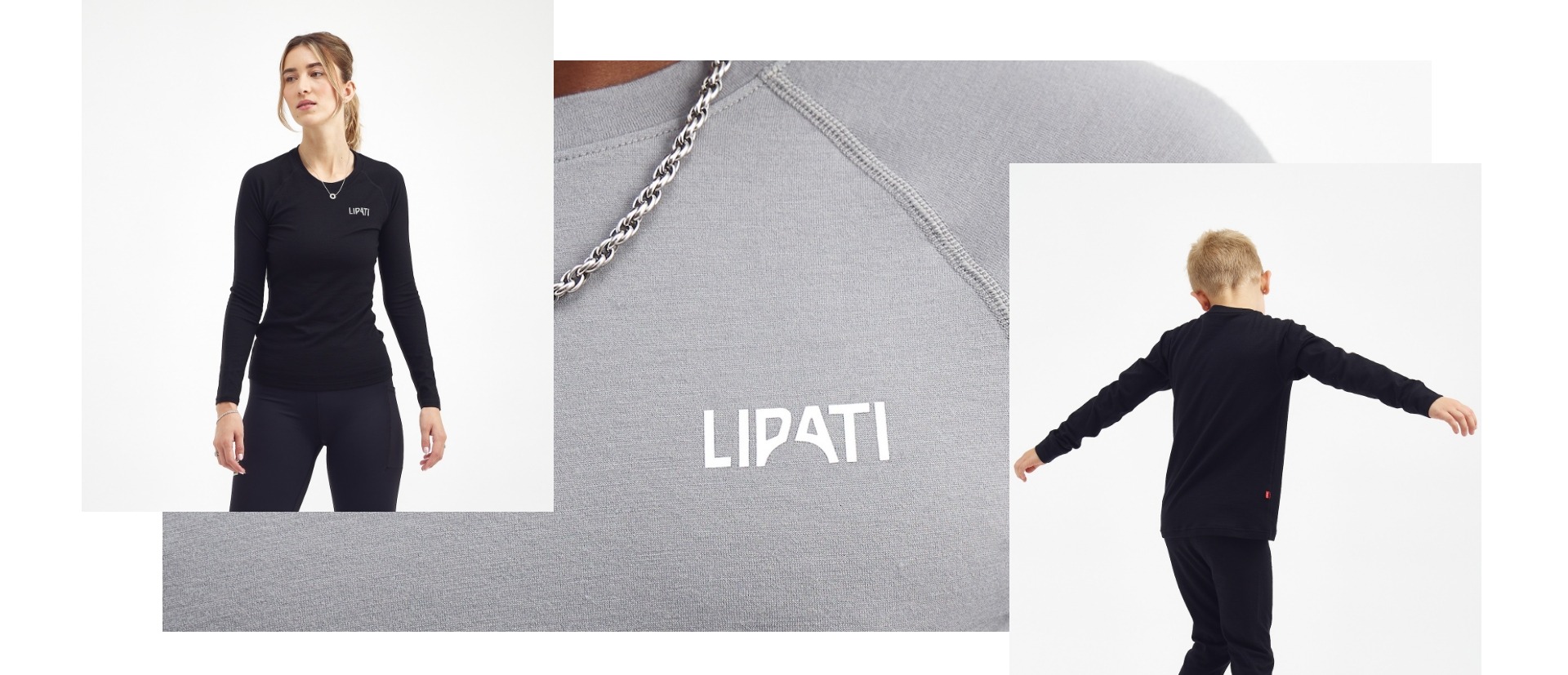
What is merino wool?
When talking about wool for running and sports, it's almost always merino wool. Regular sheep wool has fibers too coarse to be worn against the skin when active, which is why merino wool is found in baselayers, socks, and running apparel.
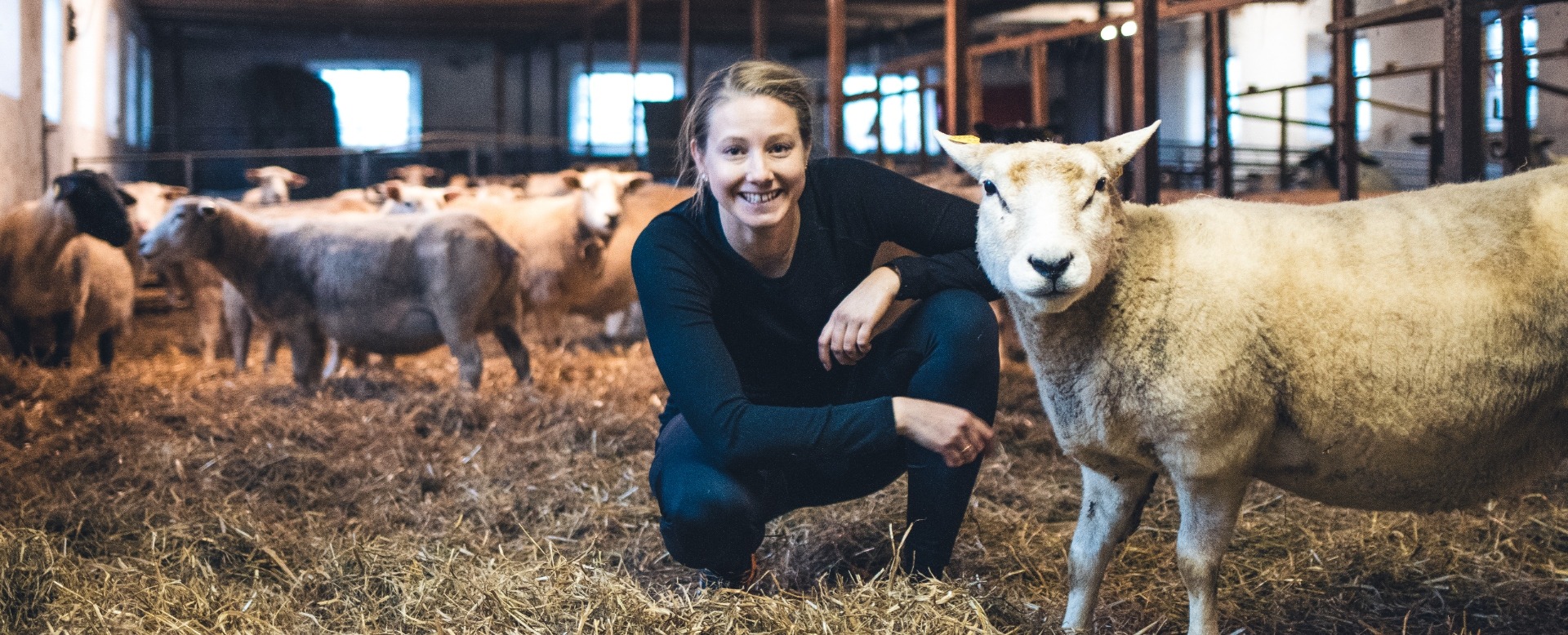
Merino wool comes from the merino sheep, which lives in climates with both hot summers and cold winters. The wool protects the sheep from heat up to about 35 degrees and cold down to minus 20, making the material interesting for sports: the fiber can regulate temperature, not just provide warmth.
The difference between merino wool and regular wool lies in the fiber. Merino fiber is thinner, softer, and more elastic. The thinner the fiber, the less the fiber ends prick the skin, so most people don't find merino wool itchy, even if they have bad experiences with classic wool sweaters. If you're sensitive to wool, you might still notice differences from product to product, so test it on the first outings before buying more of the same model.
Is merino wool warm?
The short answer: merino wool is not just warm, it's better at maintaining a stable temperature. The fiber traps a large amount of still air, which acts as a buffer between your body and the environment. If you get warm, the wool helps wick moisture away and cools. If you slow down, it retains heat. That's why the same wool layer can work on a frosty morning run and a mild autumn day.
The most important feature shows when you sweat. Wool can absorb moisture equivalent to about a third of its weight without feeling wet, and it continues to insulate even when damp. A synthetic shirt saturated with sweat feels cold as soon as you slow down or the wind hits. A damp wool shirt still insulates. On long winter outings, where getting wet is unavoidable, this is the difference you notice most.
Wool or synthetic: what should you choose?
Synthetic materials like polyester are not wool's poor alternative. They are better for something else. Polyester wicks sweat away from the skin faster and dries significantly quicker. That's why almost all competition shirts are synthetic.
Wool wins on temperature stability, insulation when damp, and odor: the bacteria that cause sweat odor don't thrive on wool fibers. A wool shirt can be aired and used multiple times between washes, whereas a sweaty synthetic shirt typically needs washing after each use.
Two things to be aware of with wool. If you sweat a lot under a tight, windproof jacket, the wool layer reaches its saturation point and loses its advantage — choose a more open jacket or a synthetic layer underneath. And thin merino wool wears out faster than synthetic, especially where straps rub from a running vest, backpack, or running belt.
A third option is blends, where merino wool is woven with synthetic fibers. This lowers the price, makes the clothing more durable, and provides faster sweat transport while largely retaining temperature regulation and odor resistance. If you sweat a lot or the shirt is used under a vest, a blend is often the best compromise.
When does wool make sense for running?
As a rule of thumb, it comes down to three things: temperature, duration, and intensity. The colder, longer, and calmer, the more it favors wool.
● Ideal for wool
- Calm and long runs below 10 degrees
- Trail and runs with varying pace
- Winter runs in wind
- Days when you're out for more than an hour
● Depends on you
- Moderate pace in 10 to 15 degrees
- If you sweat a lot, choose thin wool or a blend
- If you get cold easily, wool is a good choice
● Choose synthetic
- Intervals and tempo runs
- Competitions in heat
Wool in summer: isn't it too warm?
It might sound wrong, but thin merino wool can do something in the heat. The fiber's high air content limits heat exchange with the surroundings both ways: it not only keeps cold out, it also keeps heat out. Along with moisture absorption, a light wool shirt can feel cooling when it's really hot.
Wool also provides natural UV protection, depending on the fabric's thickness and color, and its odor resistance makes it ideal for summer vacations and cabin trips, where the same shirt is used for several days in a row. For intense summer outings and competitions, the rule still applies: synthetic dries faster and is the right choice when sweat levels are high.
Wool for skiing, cross-country, and everything else
Wool's properties aren't reserved for running, and there are activities where they become even more apparent.
Ski vacation
On a day of skiing, you constantly switch between hard work and stillness: downhill, lift queue, lunch in the sun, downhill again. These are exactly the shifts wool smooths out best. And because the same baselayer is typically used for several days in a row, odor resistance is not just a bonus but half the point.
Cross-country skiing
Same demands as winter running, just sharper: high intensity, low temperature, and breaks along the way. A wool layer underneath is the standard choice on the trail for the same reason it's a strong choice on a long winter outing.
Hiking and everyday use
On hiking trips with overnight stays, wool wins because it can be used day after day, and for bike commuting and dog walking, the same rules apply as for calm runs. In short: one good wool layer covers more than one sport.
Wool for children
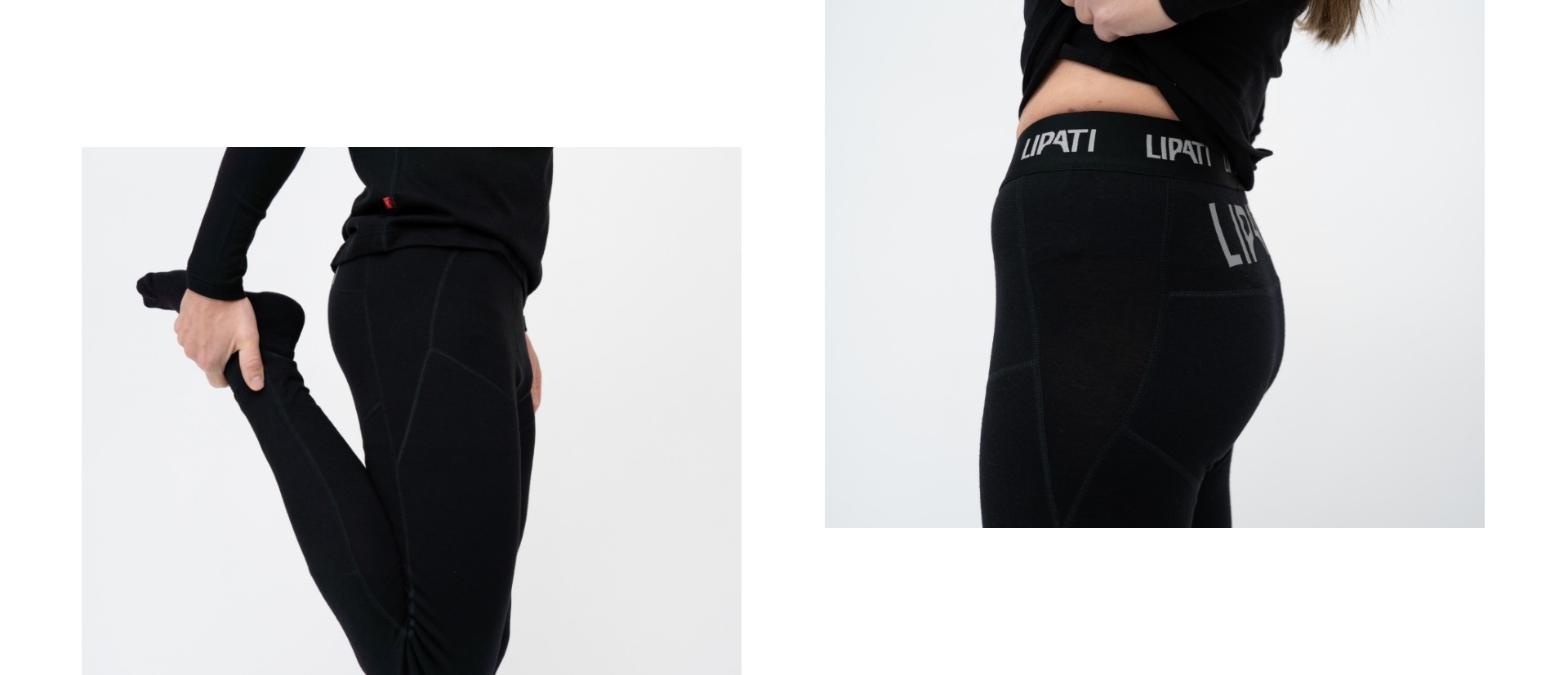
Children don't stop playing to take off a shirt. They also don't always say when they're already cold or soaked, and intensity swings from sprint to pause in minutes. These are the conditions wool handles well: the material regulates temperature itself.
This applies not only on ski vacations. Winter football training means long stops on the sidelines, and riding means stable work and calm rides in the cold. An inner wool layer is also a good choice for kindergarten and school. Wild play outside is followed by quiet time inside, and a cotton t-shirt that gets wet along the way feels clammy for a long time. A wool layer keeps the temperature more stable and the child drier throughout the day.
For children, a wool blend is often the most practical choice. Children's clothing is washed frequently and treated harshly, and blends are more durable and typically withstand more in the washing machine. At the same time, wool is elastic, so a baselayer bought with some growing room still fits well.
What does grams per square meter mean?
Wool clothing is often specified with a weight in grams per square meter, e.g., 150 g/m² or 250 g/m². The number indicates the fabric's thickness, and it's the closest you'll get to a warmth scale across brands.
| Fabric weight | Best for |
|---|---|
| Approx. 150 g/m² | Summer, high intensity, and as a thin base layer all year |
| Approx. 200 g/m² | Versatile year-round choice for running in fall, winter, and spring |
| 250 g/m² and up | Cold days, low intensity, ski trips, and everyday use in frost |
The boundaries are fluid, and brands categorize differently. Use the number to compare within the same category.
For running, most will land in the light to medium range. The thick qualities are built for activities where you move less or stand still.
How to wash wool
Here is the most important rule and also the dullest: follow the care label in the clothing. Labels indicate differently because wool qualities and blends tolerate differently. Some wool garments can be washed at 30 to 40 degrees on a regular cycle, others require a wool cycle, and some specify hand wash only. Blends with synthetics are typically more tolerant than 100% wool.
The difference is not because the brands disagree, but because the wool is treated differently. Some wool has received a surface treatment that makes the fiber more machine-friendly, while untreated wool tolerates less. You can't see the difference on the sweater, so the care label in your garment is the only guideline that applies.
Machine wash 30 to 40 degrees +
- Wash with similar colors on a gentle cycle and low spin
Wool cycle +
- Use the machine's wool or hand wash cycle
- It washes cooler and moves the clothes less
Hand wash +
- Lukewarm water, and let the clothes soak
- Press the water out without wringing
Tumble drying prohibited +
- Dry flat or hanging
- The dryer is the most common cause of shrunken wool
General advice. Always follow the care instructions on your specific product.
A wool detergent is often a good investment regardless of the cycle. It is gentle on the fiber and may contain lanolin, which maintains wool's flexibility and natural properties. Two things are widely agreed upon across brands: skip the fabric softener. It coats the fibers and hinders moisture transport. Also avoid tumble drying unless the label explicitly allows it.
And the best washing tip of all: wash less. Wool doesn't need washing after every use. Air the sweater out overnight, and it's ready again.
Frequently asked questions about wool
Does merino wool itch? +
- Most do not find merino wool itchy. The fiber is thinner and softer than regular wool
- If you're sensitive to wool, you may still notice differences from product to product
- Blends with synthetics often feel softest for sensitive skin
Is merino wool too warm in summer? +
- A thin quality around 150 g/m² can be used in the heat and can feel cooling
- For intense activities and competitions in heat, synthetic is still the better choice
Should wool be washed after each use? +
- No. Wool's natural resistance to odor bacteria means airing out is often enough
- Wash when the garment actually needs it, and follow the care label
Wool or wool blend? +
- 100% merino wool offers the best temperature regulation and odor control
- Blends are more durable, dry faster, and cost less
- If you sweat a lot, a blend is often the best choice
Does wool dry slowly? +
- Yes, slower than synthetic. It's wool's biggest practical drawback
- However, it still insulates while damp, whereas synthetic feels cold
Can I use my running baselayer on a ski trip? +
- Yes, that's one of the great things about a good wool baselayer
- If it's very cold, a thicker baselayer may be beneficial
Now you're informed about wool - what's next?
Merino wool isn't better than synthetic. It's better for something else: the cold, long, and changeable trips where stable temperature matters more than quick drying. If you're choosing, consider this order:
- Temperature. The colder it is, the more wool is favored.
- Duration. The longer the trip, the more you benefit from temperature stability.
- Intensity. Hard and short trips point to synthetic.
- Thickness. Light for running, heavier for skiing and stillness.
See our full range of
, or take a closer look at
,
and
. If you're unsure how the wool layer works with the rest of your wardrobe, find the overview in our
.