
What is forefoot running?
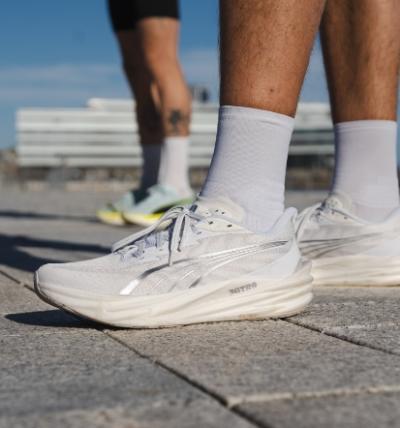
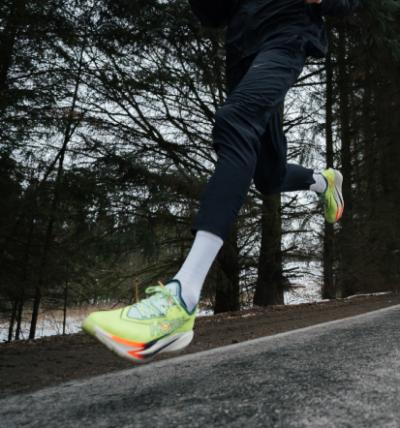
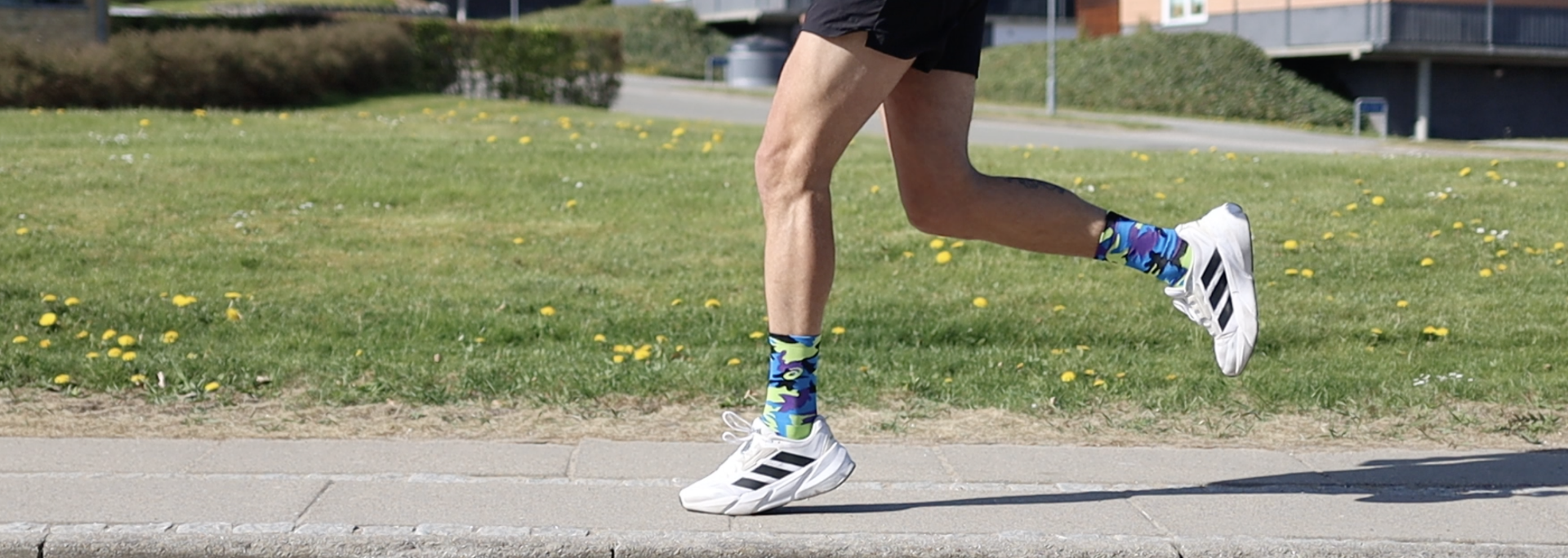
To clarify the definitions, we´ll start with the basics. Forefoot running is a type of running where the first part of your foot to make contact with the ground is your forefoot. Other types of running are heel striking and midfoot running.
Its important to emphasize that its the landing which defines forefoot- and midfoot running as well as heel striking. In other words, you´ll still be labelled a forefoot runner even though your heel makes contact with the ground after the landing.
The differences we will discuss in the article will even be more pronounced if you do forefoot running in the sense that the heel never makes contact with the ground.
Forefoot running and injuries
I have often heard people argue that forefoot running reduces the risk of injuries. They argue that the max.load is reduced through landing on your forefoot which is also correct. The moment you make contact with the ground, you will generally experience a much more powerful shock impact when you land on the heel compared to your forefoot.
However, its important to remember that a significant load during your landing isn´t necessarily a problem. A 2021 study has reviewed many of the cases and concluded that there is actually no overall correlation between landing on your heel or forefoot and the number of injuries sustained. To elaborate, many of the existing studies have a very low scientific value with many limitations which create many questions around the conclusions. Consequently, studies are needed where a greater number of test persons participate.
Is forefoot running still a good option?
Another study from 2021 reviewed the effect of different landings. In this case it was reviewed how the load is directed to different areas depending on whether you land on the heel or the forefoot as the load is never similar!
When you land on your heel, you especially increase the load on your knees while front foot running especially increases the load on your ankles and your Achilles tendons. If you are a very pronounced heel striker, you´ll also provide extra work for your shins.
If you tend to overload certain tissue, it might also make sense to adjust your running style to move the load. So, you can´t remove the load but you can move it depending on your movements.
I.e. if you currently land on your heel and experience knee strain, it might be a good option to try landing on your forefoot instead - perhaps not on all your runs but just on some of them. Just remember that you move the load - so, when you start to land on your forefoot to reduce the load on your knees, you´ll provide extra work for your ankles and Achilles tendons. Its important that they can resist this challenge, otherwise you just risk getting injured in other places.
References
- Burke A, Dillon S, O'Connor S, Whyte EF, Gore S, Moran KA., Risk Factors for Injuries in Runners: A Systematic Review of Foot Strike Technique and Its Classification at Impact, (2021)
- Xu Y, Yuan P, Wang R, Wang D, Liu J, Zhou H., Effects of Foot Strike Techniques on Running Biomechanics: A Systematic Review and Meta-analysis. Sports Health, (2021)