VO2-max intervals aim to enhance your maximum . Research continually reveals new methods, but the key factor for VO2 max is the ability to transport as much oxygen as possible to the muscles.
The heart is central here, meaning you can expect to boost your , by training your heart to be larger and stronger.
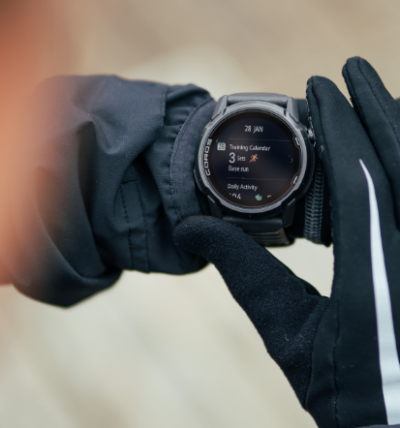
In VO2-max intervals, it's wise to monitor your , as it reflects heart workload. If a session includes enough high heart rate minutes, your heart will enlarge and strengthen over time, improving blood circulation.
To benefit from your intervals, aim for zone 4 or 5 (if training zones are set). If not, try staying above 90% of max heart rate.
Approach VO2-max intervals in various ways. No single method is superior—all three approaches below yield improvements. I'd advise varying interval choices.
Long intervals with long rest
- 3-5 minute intervals
- Long rests – at least 3 minutes!
Long VO2-max intervals usually last around 3-5 minutes. Run them in different ways, but try to manage your energy to complete all planned intervals effectively. Don't sprint the first and struggle with the rest.
Intervals can start fast, then level off, or maintain a steady pace. Starting hard gets oxygen uptake going quickly, but risks failing later—experiment and remember high heart rate is crucial.
Typical long interval pace is around 5 km pace for seasoned runners. Beginners shouldn't worry about pace—just manage energy as described.
Examples of long intervals:
- 6 x 3 minutes with 3 minutes rest
- 4 x 4 minutes with 4 minutes rest
- 3-4 x 5 minutes with 4 minutes rest
Short intervals with short rest
- 20-60 seconds intervals
- Half the interval length for rest
Short intervals with short rest are another effective form for improving oxygen uptake. They allow slightly higher speeds than long intervals – "VO2max" pace is often recommended, zone 5 for those tested. If not, run by feel—go as fast as possible, maintaining pace across intervals.
The approach is simple:
- Long intervals' rest should feel ADEQUATE
- Short intervals' rest should feel TOO SHORT
A single short interval can't raise heart rate sufficiently, but with "too short" rests, heart rate doesn't drop much, gradually rising.
Examples of short intervals
- 30 x 30 seconds with 15 seconds rest
- 20 x 40 seconds with 20 seconds rest
- 15 x 60 seconds with 30 seconds rest
Sprint intervals
- 30-60 seconds intervals
- Long rests (3-5 minutes)
The short and long intervals mentioned above are the most common VO2-max intervals. Research shows sprint intervals can effectively improve your fitness score, though they shouldn't be done too often due to high strain.
Intensity in sprint intervals is straightforward: Go ALL OUT. As fast as you can!
With all-out intervals, long rests are necessary. Typical rest lengths are 3-5 minutes, even for intervals under a minute – often around 30 seconds.
Too short a rest won't leave you fully prepared, reducing intensity in subsequent intervals. Maintain long enough rests to ensure consistent performance.
Examples of sprint intervals
- 6 x 30 seconds with 4 minutes rest
- 4 x 45 seconds with 5 minutes rest
References
- Bassett DR Jr, Howley ET., Limiting factors for maximum oxygen uptake and determinants of endurance performance (2000)
- Anderson Owen, Running Science (2013)
- Koral J, Oranchuk DJ, Herrera R, Millet GY. Six Sessions of Sprint Interval Training Improves Running Performance in Trained Athletes. (2018)