Kristian and I arrived in Dullstrom on Tuesday 12/11 after a long journey, if you haven't read about why we are in Dullstrom yet, read the first part.
The rest of week 1 mainly involved easy to moderate running. As mentioned in the first article about the altitude training camp Dullstrom is a mecca for runners and therefore many of the runs were done with other groups. It's always inspiring and educational to hear from other top runners how they approach training.
Altitude Training - Start Slowly
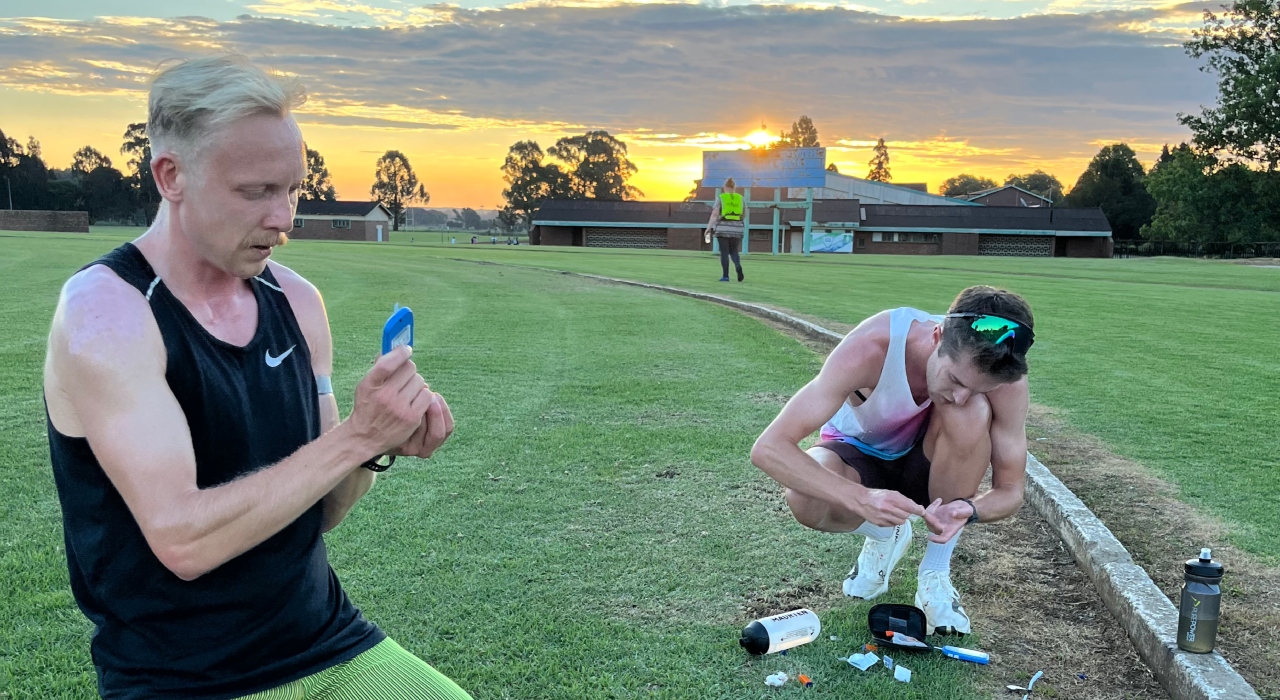
I did some light quality training already Saturday 16/11 and the conclusion was that I was not adapted to the altitude yet. The feeling was bad when I increased the pace. My lactate values (more about this and monitoring of training intensity in another article) were significantly higher relative to the pulse, which is one of the things you can see in the acute phase at altitude. I had to think about the subsequent workouts and lower the intensity for the next hard training. Sunday was a 25km long run with a good group and the feeling was better. We were ready for the first training week.
One of the good things about being at a training camp is that it's easy to train - the hardest part is almost holding back. My focus down here is therefore on getting started well with specific strength training/injury prevention training, continuing to build up the volume again and finding a good rhythm. I am still getting into gear after Berlin and the first phase is mainly about rebuilding and creating the foundation for later training. Therefore, the plan was NOT to run 195km a week, but that's what it turned out to be. It was distributed as follows:
| Monday | Tuesday | Wednesday | Thursday | Friday | Saturday | Sunday | |
|
Morning
|
15km easy + short faster 15s runs(strides) & strength (40min) |
18km incl. 4*7.5min easy pace |
19km Easy run |
25km incl. 60min easy pace (very hot day) |
14km easy run |
20km incl 10*90s hill (very tough) & 5*2min easy pace |
2 hr long run (27km) |
|
Evening |
30min easy on spinning bike (planned 10km jog, but due to thunderstorm, moved indoors) |
18km incl. 20*400m threshold pace |
70min very easy cycling, 8km jog & light strength(25min) |
10km very easy run |
60min very easy cycling + 7km easy run |
14km incl 10*2min easy pace + light strength(20min) |
75min easy cycling + mobility |
Total: 20hr training week; 195km running(14.5 hrs), 4hrs cycling & 1.5hrs strength.
Altitude Training - Beware risky leaps
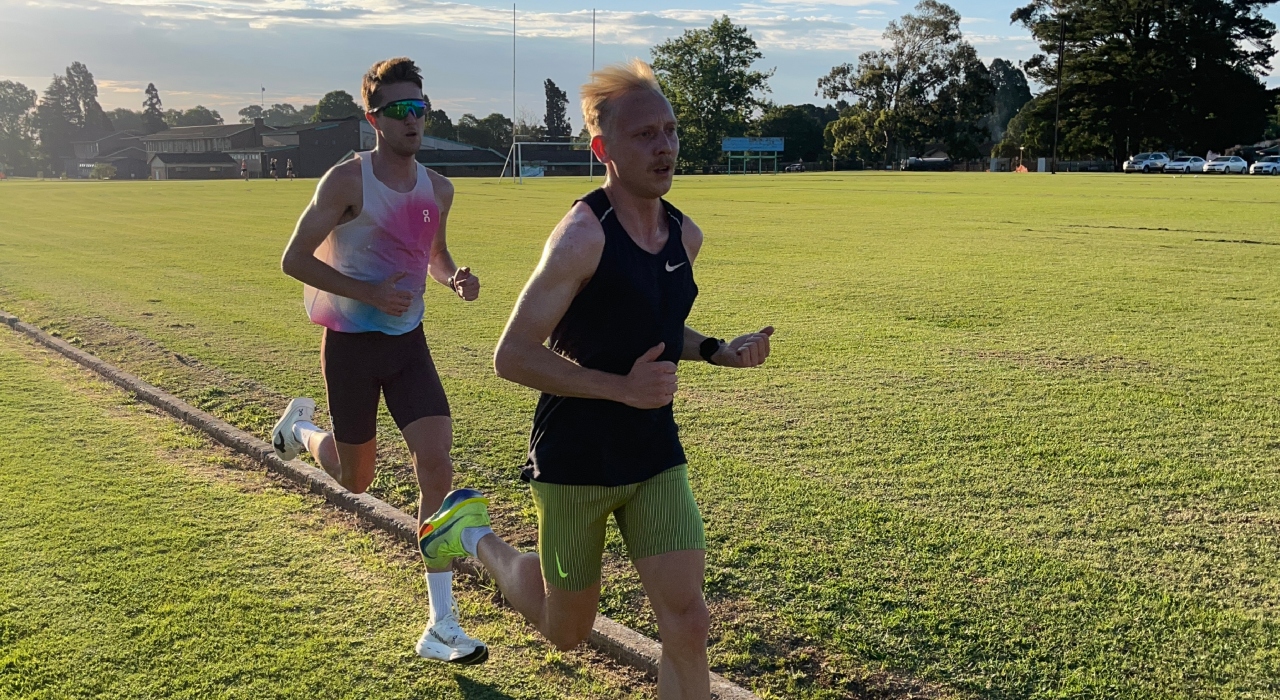
The feeling during the week was generally good, I felt fresh in the workouts, and my legs are improving despite the significantly increased training load, but despite the good feeling, next week will still be more relaxed.
This is due both to it being a big (and risky) jump from 150km(week 1 at altitude incl. Travel)up to 195km, with the European Cross Country approaching. The body has received a major stimulus from both altitude and the training week, and even though most has been controlled and monitored based on lactate and heart rate, the load is still high and it is important to let the body absorb the training.