Train slow to run farther and faster
It may sound like silly advice, but there's truth to it. I quickly add that I don't think you should ONLY run slowly – just as you shouldn't ONLY run fast. For me, variation is key.
Variation in pace, pulse, terrain, etc., is a crucial part of my weekly training, but most of it is actually slow and easy, so yes: There's truth to it, but 'train mostly slow to run fast' is perhaps more accurate.

Prepare for Intensity
I've previously described why building habits is important. I think many 'fall out with' running instead of loving it because they run too fast. The focus is the fastest possible time on a run, tempo sessions, or intervals to get faster, but not every run should be hard.
In fact, jogging or slow running, combined with patience, is one of the most important components to improve your speed.
Jogging helps build a solid aerobic base, making it easier to sustain higher intensities longer. When running slower, you also recover better, preparing you for the days when you need to push harder.
How to Keep the Pace Down?
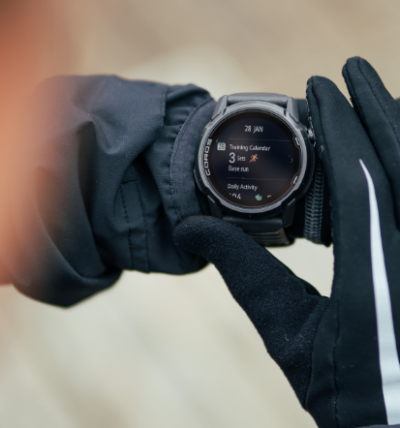
- Run by Heart Rate – Monitor your heart rate during easy runs. I typically run at 60-70% of max heart rate when jogging, but we're not all the same, so it might differ for you.
If the heart rate is too high, the intensity probably is too, just like a high heart rate at a slow pace can signal that you might need to focus more on training your aerobic base. Many are surprised by how slow it actually needs to be. - Run with Others – Running with someone who naturally runs slower than you can help keep your pace down. A good conversation is also a good indication that the intensity is easy enough.

Jogging should feel easy. Very easy. You shouldn't struggle to keep the pace but feel like you're running in first or second gear with plenty of energy. Of course, you get warm, and if you don't run an awful lot in a week, it might also make sense to speed up a bit towards the end – again, the key is variation in pace.
Listen to Your Body – Unsure? Jog
Every runner is unique regarding level, strengths, weaknesses, training volume, and most importantly, what they enjoy doing. That's why it's also incredibly difficult to create a guideline for how much or how little. A good guideline is always to listen to your body. If you have good legs and feel like running fast, then do it and swap some training days. If you're tired, jog instead – even if your program dictates otherwise.
Being a slave to a training program has, in my opinion, never done any good. Ultimately, it's about doing the training that gets you out the door again and again. But no matter what training you do, consider adding some variation – I believe it will work wonders.