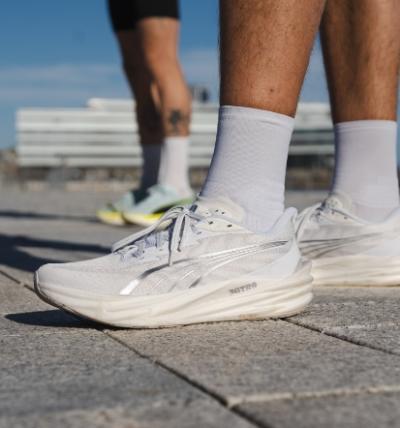

I have looked forward to this spring season for over six months.
The plan was clear, training set, and goals defined: First, DM 10, then EM in road running, and finally the crown jewel, London Marathon. But instead of starting numbers and new PRs, I faced a thigh soreness before DM 10 that wouldn't go away – and later an MRI confirmed my suspicion: Stress reaction in the bone.
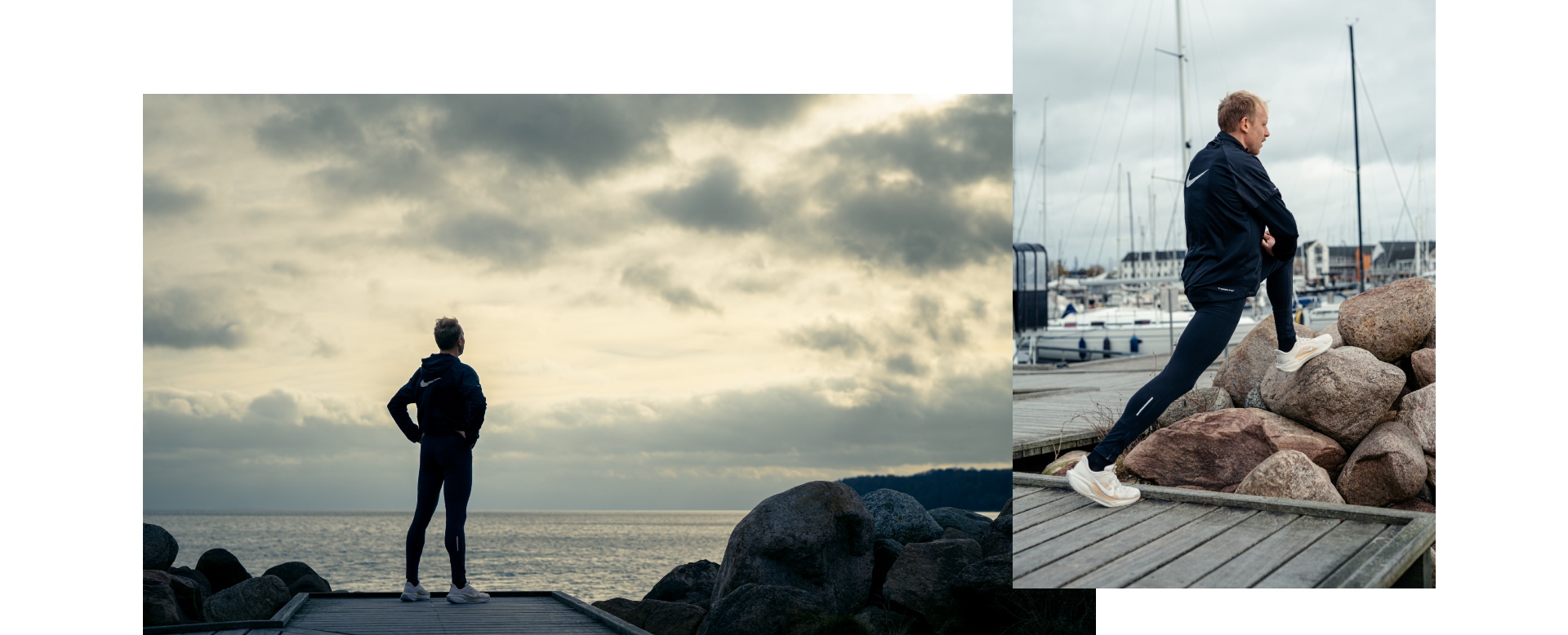
Plans out the window
It started as a vague soreness, familiar to many runners. Not severe – just that feeling appearing during and right after training, where something doesn't feel quite right.
I first tried to cut back, take it easier. But symptoms didn't improve. Only when I completely stopped and had it checked, the answer came: I needed a full pause for three weeks.
Seeing goals disappear one by one – DM, EM, and London – was a huge disappointment. I've invested so much. But right now – in those periods where everything pauses – there's a chance to reflect.
These reflections have turned into these three tips I've had to learn – and I want to share them with you, hoping you can avoid a similar situation.
1. Listen to the small signals.
Vague soreness that persists for weeks isn't just "something I can run away." The body tries to tell you something, so listen before it gets serious. I did try early to stop and change my training approach, but too many weeks passed before I properly investigated the issue.
Next time, I'll get an MRI faster if it doesn't immediately improve, and it's hard to figure out what's wrong.

2. Take pain seriously – and take responsibility.
Stopping isn't weak. It's strong to dare to pause, adjust, and ultimately prevent a longer injury. Initially, it doesn't change much if I had taken one, two, or five days off: Fitness doesn't change in such short time. A stress reaction, however, needs time without strain to heal, so a good tip is to take an initial break of a few days and be good at ignoring the program.
This is an extremely easy tip to pass on, but it's terribly hard to follow in practice – I know myself.
3. Give yourself space to be disappointed – and then move on.
The disappointment over missed races is real, and it's okay to be sad. But don't let it define you. Use it to build something new and stronger – both physically and mentally. I give myself one to three days before I start to look ahead and move forward. Negativity isn't good for anything, neither for yourself nor the future, nor is it fair to those around you.
After London Marathon, having seen it from the sidelines, my mood turned, and since then I've been looking constructively forward. How do I best return now? That's my main focus.
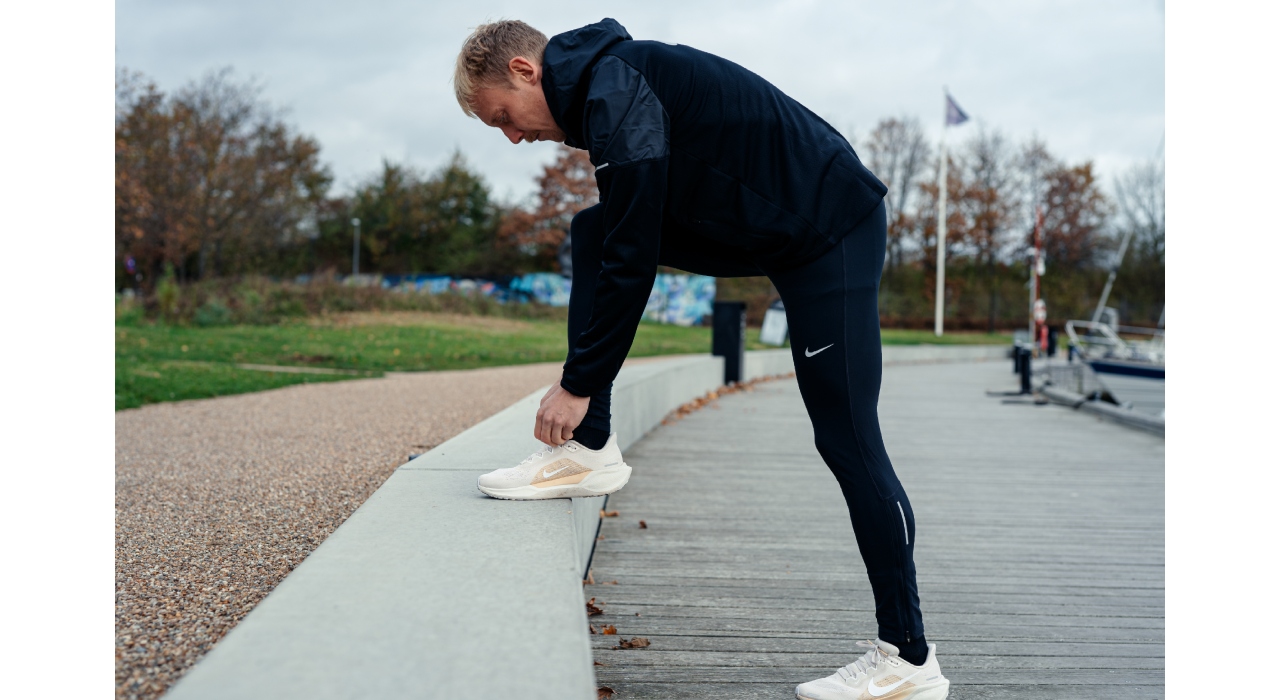
Now I'm slowly getting back into it. I'm not rushing – because I know the wise way forward sometimes starts with a step back. And perhaps most importantly: I've become better at listening. Not just to the body, but also to myself.
Interested in more?