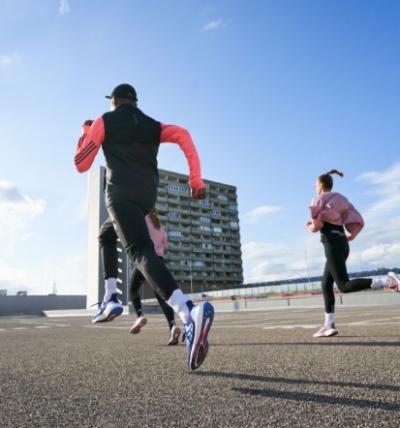



Most treat winter as a period to endure. From a training perspective, it's the opposite: months to focus on what gets neglected when races approach.
Training needs direction. Without a goal and plan, winter becomes scattered runs that neither maintain nor develop. This guide covers how to plan winter training.

Consistency is Key
A winter break costs fitness, more than most expect. Muscle, bone, and tendon tissues weaken, so spring restart must be cautious to avoid injury.
The solution needn't be big. To avoid fitness loss rather than improve, less is needed than you think:
Set a Winter Goal
A goal gives training purpose and a deadline, making planning concrete. It needn't be a race.
- A specific race later in the year
- Three regular runs a week
- 5 km without walk breaks
Winter races are worth considering, even if not the main goal. They push training off the couch in a way mileage rarely does.
Plan Towards the Goal
A plan must consider more than training itself. These points determine realistic capacity:
- Commitments and desires with family and friends
- Commitments and desires with work
- Current training situation
- How high running is prioritized daily
- What the goal specifically requires
It sounds elite, but applies at any level. Those not honest about other priorities make unrealistic plans and face unmet goals.
Starting point matters most. If rarely training, start cautiously. A plan can look good on paper, but starting too hard leads to poor results and injury risk.
The entire plan needn't be pre-filled. Key is knowing what each period should achieve. Then fill the plan as you go, incorporating experiences: what works, and what opportunities and obstacles arise.
The overall structure and complete programs for various distances and levels are described here: .
How Winter Training Should Look
The answer lies in specificity. Closer to a race, more training should mimic it. Training for a half marathon means more running at half marathon pace.
Far from competition, the opposite applies, and here winter shines. If the goal is summer, cold months are ideal for non-specific work that makes you a better runner overall. In the half marathon example, it could be more sprints and .
The same logic can be simpler: more easy training, and more of it. Easy runs in dark and slippery conditions are safer and more manageable than hard intervals, and the foundation pays off when days lengthen. The practical version is described here: .
In other words, winter is a chance to improve on aspects that never surface when focus is on the next race.
Gear for Winter Running
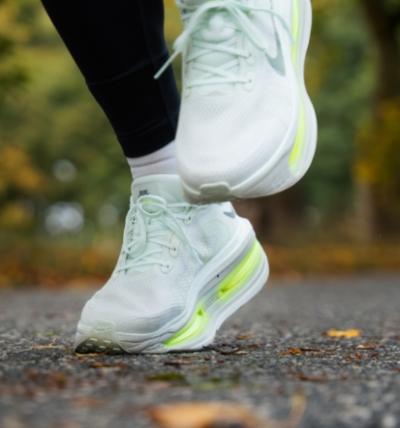
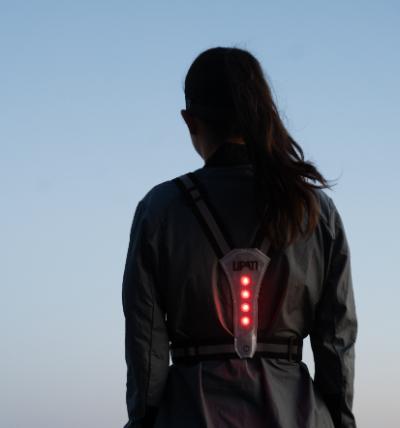
Three things determine if winter runs are enjoyable: grip on surfaces, layered clothing, and visibility in the dark.
- Shoes with grip for wet, muddy, and slippery surfaces:
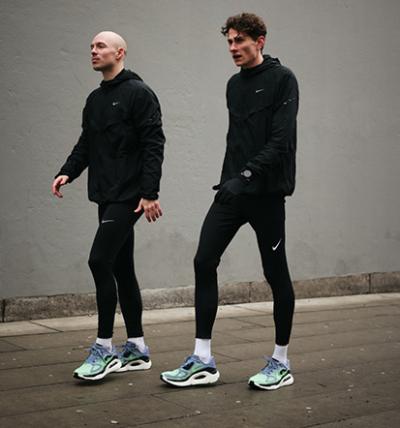
- Clothing for cold weather:
- Visibility in the dark:
Motivation Through the Dark Months
Most lose motivation during winter, and waiting for it rarely works. Set routines, lay out running clothes the night before, and make plans with other runners. Being part of a running community is one of the strongest tools to maintain training.
All three aspects are covered here: .
Get Through Winter Well
Set a goal, make a plan that fits daily life, and use the time until the next race to become a better runner overall. Then winter isn't a period to endure, but the one that makes the difference come spring.