A summer running wardrobe isn't complex. Shorts and a singlet work most days. But summer isn't always reliable, and the right gear can make a bigger difference than expected. Both on hot days and when the weather doesn't meet expectations.
Here we review what works for summer training and what to look for when choosing clothes for the warm months.

Does material and color matter when running in heat?
Before looking at individual clothing items, two things apply no matter what you choose.
The first is material. Most running t-shirts and shorts are made of technical synthetic fabric that wicks sweat away and dries quickly. If you have old cotton t-shirts and wonder if they can be used, think again. Cotton absorbs sweat, becomes heavy, and sticks to the body. You'll notice this quickly on a run. If you prefer something other than synthetic, thin merino wool is an alternative. It naturally regulates temperature and is a good choice for those whose skin doesn't tolerate artificial materials.
The second is color. Dark clothes absorb the sun's rays, light clothes reflect them. It sounds like a small detail, but on a sunny day with high temperatures, color choice can significantly affect how the run feels. Opt for light colors on very hot and sunny days.
What top should you wear?
Singlet
The singlet is the most obvious top for hot days. Made of thin material, it covers the essentials and lets the body work without retaining heat. It's especially good on the hottest days or when running fast. With bare shoulders and arms, you give your body a good chance to shed heat.
T-shirt (short-sleeved)
A short-sleeved running t-shirt is more versatile than a singlet and suits morning runs, cloudy days, or when temperatures stay below 20 degrees. Some runners simply prefer a t-shirt over a singlet. It's worth noting what type of short-sleeved shirt you're looking at. There's a big difference between a light summer t-shirt and one made of thicker material. For summer, look for light and breathable material.
T-shirt (long-sleeved)
It may sound excessive for a summer wardrobe, but summer isn't always just a long period of sunshine and warmth. There are cool and windy days in between. If the day is both a bit cool and you're going for a relaxed run, a long-sleeved running t-shirt in technical material can be a good choice.
Shorts, split shorts, or tights?
Shorts
Light, airy, and in many variants. You can find running shorts with inner briefs, pockets for phone and keys, and 2-in-1 versions with tight inner shorts under the loose outer part. The latter is a good solution if you know chafing from loose shorts on long runs. Most runners switch to shorts when the temperature hits 12 to 15 degrees. It's very individual and depends on whether you get cold easily or warm up quickly. If you're a bit cold the first kilometer, remember that the body warms up along the way.
Split shorts
Short, light, and with maximum freedom of movement. Split shorts are the natural choice for races and runs where you want speed. Test them before race day to ensure they fit well before your big run.
Short tights
Many runners prefer short tights over shorts because they fit better. They follow the body's movements, don't shift, and offer a distraction-free running experience. If you're constantly adjusting shorts during runs, short tights are worth trying. They also work well in rain, where loose shorts stick to the legs in a way tights don't.
Socks
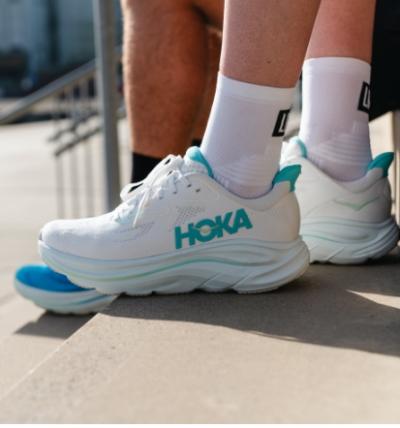
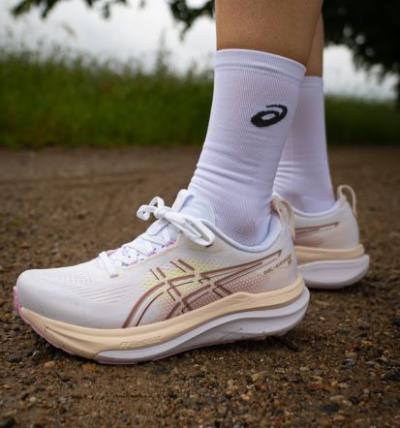
A thin, sweat-wicking running sock is standard in summer. The key is that it doesn't bunch up inside the shoe during the run. That's a sure way to get blisters. Most choose synthetic material, but a thin wool sock works surprisingly well in heat and is naturally temperature-regulating.
Accessories for the heat
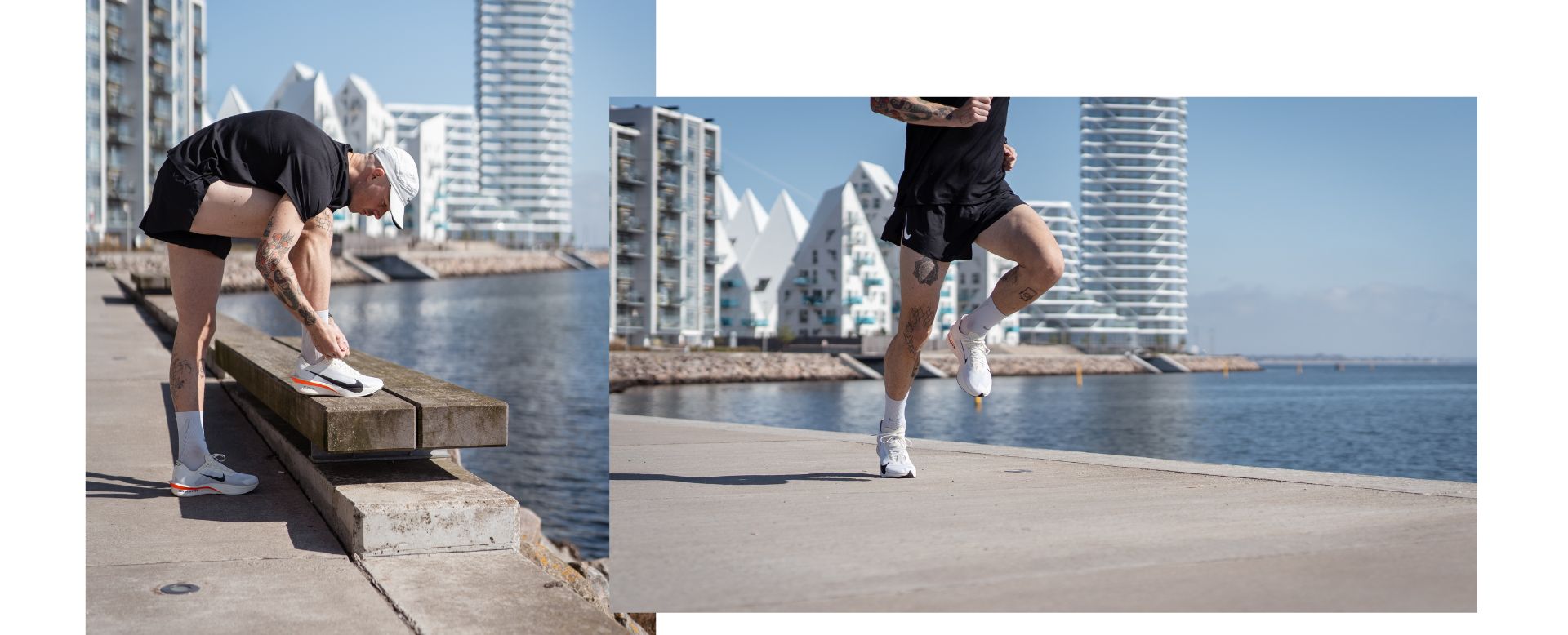
Cap
A cap does two basic things: it shades you from the sun, so you don't squint when running towards the light, and it collects sweat before it runs down your face. An underrated detail on the hottest runs. Choose a light and breathable material, so it doesn't make you even warmer.
Sunglasses
Eyes get tired in bright sunlight, noticeable on long trips. Besides shielding from UV rays, sunglasses also protect against wind, pollen, and small insects. Choose a model with UV protection and a frame that fits well without being noticeable.
Remember Sunscreen
When spending hours on the road in blazing sun, sunscreen is vital for areas not covered by clothing. Arms, legs, face, and neck are exposed on most runs. Choose a water-resistant type to last even when sweating.
Got your gear sorted but unsure how to handle the heat? In our article on we explain what happens in the body and what you can do to make the run more comfortable.
Enjoy your run in the heat!