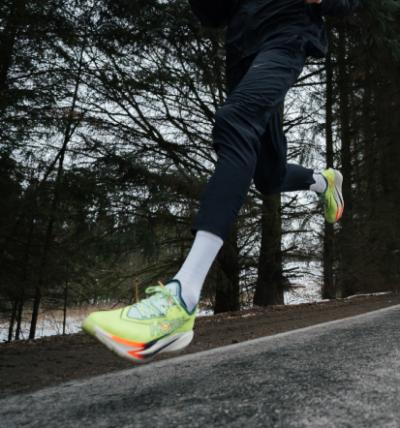
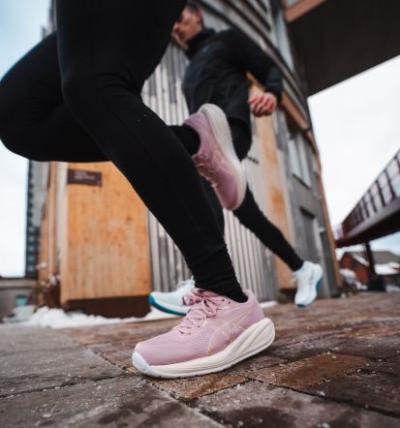
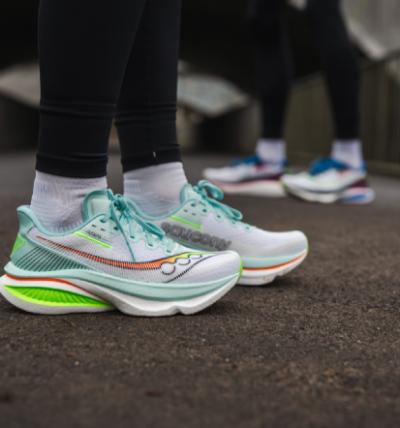
I am a big fan of variety in training, but also a fan of variety in running shoes. I feel it can help reduce injuries, and different shoes are designed for different things, which you, as a runner, can benefit from.
It is obvious that trail running in uneven and soft terrain requires shoes with better grip, but not much shock absorption. On the other hand, road runners can benefit from lighter shoes that offer good cushioning and faster movement.
You have probably heard of different types of shoes - it can be a jungle to navigate. Some are designed to support pronation, supination, or neutral running style, which aims to prevent injuries.
If you run several times a week, it can also be beneficial to vary the stability in the running shoes you use to avoid straining the same muscle groups every time: This way, you minimize the risk of overuse.

It can also be a good idea to have one shoe for interval training and another for longer distances. In my opinion, varying shoes can ultimately help increase comfort and improve performance.
I explain here in the article which shoes I use at the moment and for what purpose I use them.
Easy runs: Nike Pegasus 41 and Nike Vomero 17
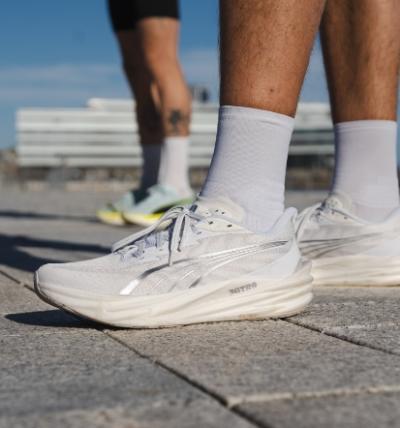
Here are two great training shoes with decent shock absorption, without being too much. I also use them for so-called strides or hill sprints, where I increase pace on an easy run in short bursts. Especially Pegasus 41 is good here as it is slightly aggressive while providing good ground contact.
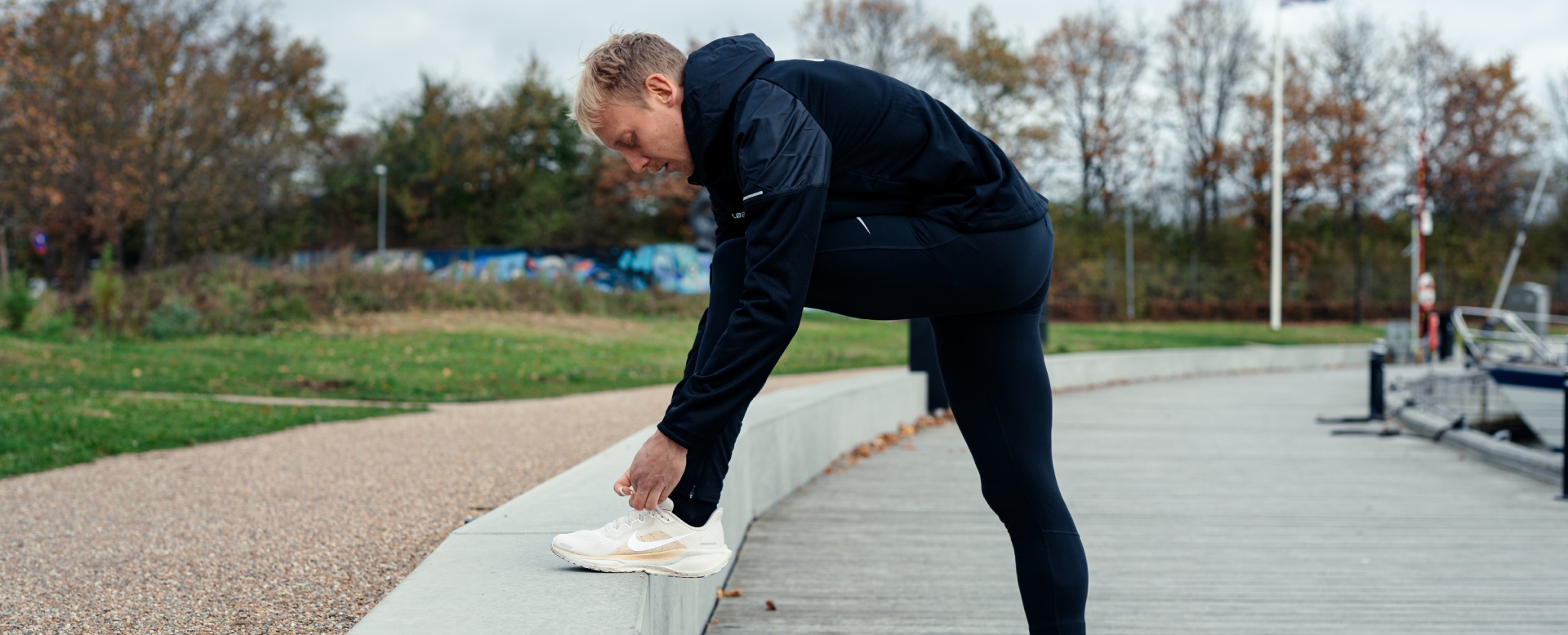
Nike Structure 25 is another shoe I use on easy runs, especially as a warm-up shoe on interval days, or when I need a bit more stability. All three shoes are stable, but if I really need relief, I take Nike Structure 25.
Forest runs: Nike Pegasus Trail 5 or Nike Zegama 2
+Primarily I use road running shoes, but trail shoes are excellent to have in your rotation, especially in winter months. I use Nike Pegasus Trail 5 as a normal running shoe on long runs, also on roads, but always opt for a trail shoe with better grip if it's slippery outside.
Fast or easy runs on tired legs: Nike Invincible 3 and Nike InfinityRN 4
Both shoes have slightly more responsive foam compared to the three previously mentioned, providing a more "bouncy" running experience. I use them for everything from easy recovery runs on tired legs to progressive runs to light tempo runs. They can also be used for strides, but if I need to run at a faster pace or intervals, I switch to other shoes.
Faster pace or interval training
Depending on distance and intensity, I have different tools in my running toolbox.
If I want to work a bit harder, typically on shorter intervals on the track or gravel, I use Nike Pegasus Plus. For longer intervals on the road, I mainly use Nike Zoom Fly 6 or Vaporfly 3 or 4. For very specific sessions, I might also use my race shoes: Alphafly 3, but I try to save them for when it really counts. These are key sessions often close to a race, where I want to gauge my form.

When aiming for high speed on the track during periods focusing on track running, I use spikes like dragonfly 2 – The same shoe I used for EM cross, other cross races, and track competitions. On the track, shoes like Nike Pegasus Plus can be excellent for initial intervals before switching to spikes.
Competition: Alphafly 3
I always use Nike Alphafly 3 for competition. It is for me the fastest shoe on the market, with the perfect balance between being aggressive and bouncy, so I use it for everything from 5km to marathon.
For others, Nike Vaporfly might be a better fit as the balance between comfort and aggressiveness is very subjective.
12 pairs of shoes?
I know what you're thinking: That's a lot of shoes! And it is, because I train a lot with a lot of variety. When assembling your shoe rotation, consider this:
- A shoe for easy runs, short or long: e.g., Nike Pegasus 41, Nike Vomero 17, Nike Structure 25, or Nike Pegasus Trail (if you primarily run in the forest).
- A shoe for light tempo and on days when you need a bit of extra help, e.g., Nike Invincible 3, Nike InfinityRN 4, or Nike Zoom Fly 6.
- A shoe for intervals and competition, e.g., Nike Vaporfly 3 or Nike Alphafly 3.