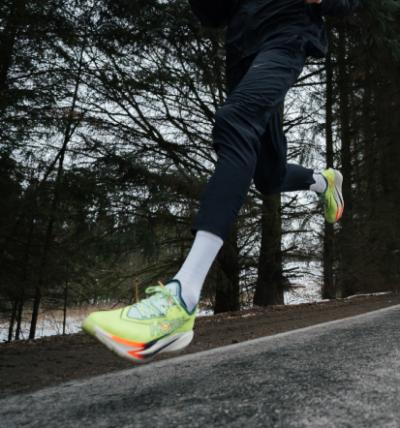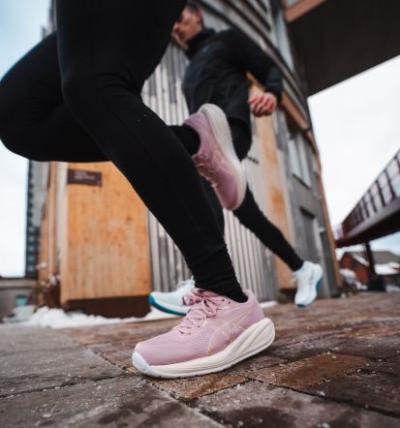

Leaving the cozy living room feels almost impossible when the cold bites outside. The couch and a cup of coffee suddenly seem more tempting than the running shoes by the door. But winter running has its own charm. The quiet mornings when the frost crackles underfoot. The feeling of cold air on your face. Running through nature, where everything feels still, as if the world has gone into hibernation.
However, winter running quickly loses its appeal if you shiver from start to finish. With the right clothing and gear, you can put the cold behind you and enjoy many good miles without frozen fingers, red thighs, or cold toes.

How to dress for running in the cold
To stay warm on cold days, it's not about wearing as much clothing as possible, but about wearing the right pieces. This article outlines the recipe for winter dressing:
- Upper body: 3-layer principle - base layer, mid-layer, and jacket
- Lower body: Winter tights, warm socks, and winter running shoes
- Accessories: Hat, gloves, and neck warmer
Upper body - 3-layer principle:
When dressing for winter running, the goal is to find the right balance between warmth and breathability. Too many layers make you sweat and damp quickly. The classic 3-layer principle ensures the body can breathe while keeping you warm, whether you run in frost, snow, or icy headwinds.
Base layer – stay dry
The base layer has a crucial function: keeping the skin dry. It should wick sweat away so you don't get wet and cold. Choose a close-fitting, long-sleeve shirt in a technical fabric that feels soft against the skin and dries quickly. Wool products can be a good choice for the coldest days.
Mid-layer – warmth and flexibility
The mid-layer should retain warmth while letting excess moisture escape. A lightweight, breathable zip-neck shirt works well since you can easily adjust the temperature. On milder days, a t-shirt as a mid-layer may suffice. The mid-layer lets you adapt your outfit to weather and intensity.
Outer layer – protection against the elements
The outer layer should combat wind, cold, and precipitation. Opt for a running jacket that is windproof and water-resistant. A good jacket protects you from the weather while allowing excess heat to escape.
Lower body – Warm tights, socks, and shoes
Winter tights
Coming home with frozen, red thighs is no fun. A good pair of winter tights is almost indispensable when temperatures drop below freezing. They protect your legs from cold and wind. If you often feel cold, consider wearing a thin, moisture-wicking layer under the tights. It provides extra warmth without sacrificing freedom of movement.
Warm socks
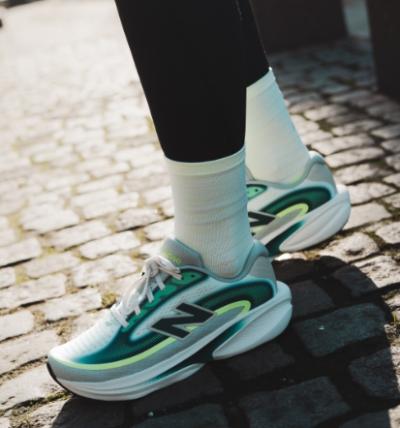
A good pair of socks can do more for comfort than you might think. They keep your feet dry and warm. Choose a sock that both insulates and wicks moisture away from the skin. Some prefer wool models, as wool insulates even when damp. Others choose synthetic options that dry faster.
Also check the length: a slightly higher sock protects the ankles from the cold and prevents snow or water from sneaking in between tights and shoes.
Winter running shoes
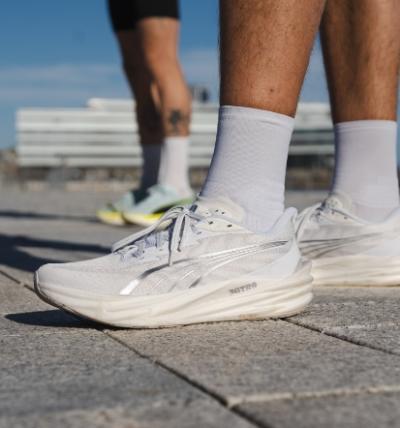
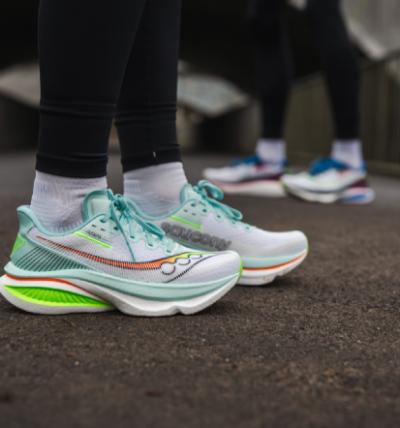
Once your feet get wet or cold, the run feels long. For many, winter running shoes are a good investment. If you often run on wet roads or paths with slush and snow, a water-repellent or waterproof model can be a good choice. If you prefer running on trails or forest paths, a trail shoe with good grip provides more security when it's slippery.
Remember accessories – Hat, gloves, and neck warmer
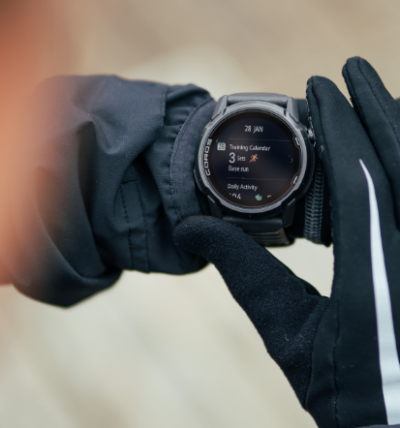
A hat or headband helps you retain warmth and protects your ears from the cold. Running gloves are also a good purchase when winter knocks on the door. Early in the season, you can choose a thin model that can be tucked away in a pocket once you warm up. As temperatures drop further, a thicker version that can handle wind and water is nice.
A neck warmer is also a versatile product that offers many options on cold days. Use it to cover your neck so the wind doesn't find its way into your jacket. If your head gets cold, it can serve as an extra hat. On extremely cold days, when the air bites your lungs, it can benice to breathe through the fabric, warming the air slightly.
What about light?
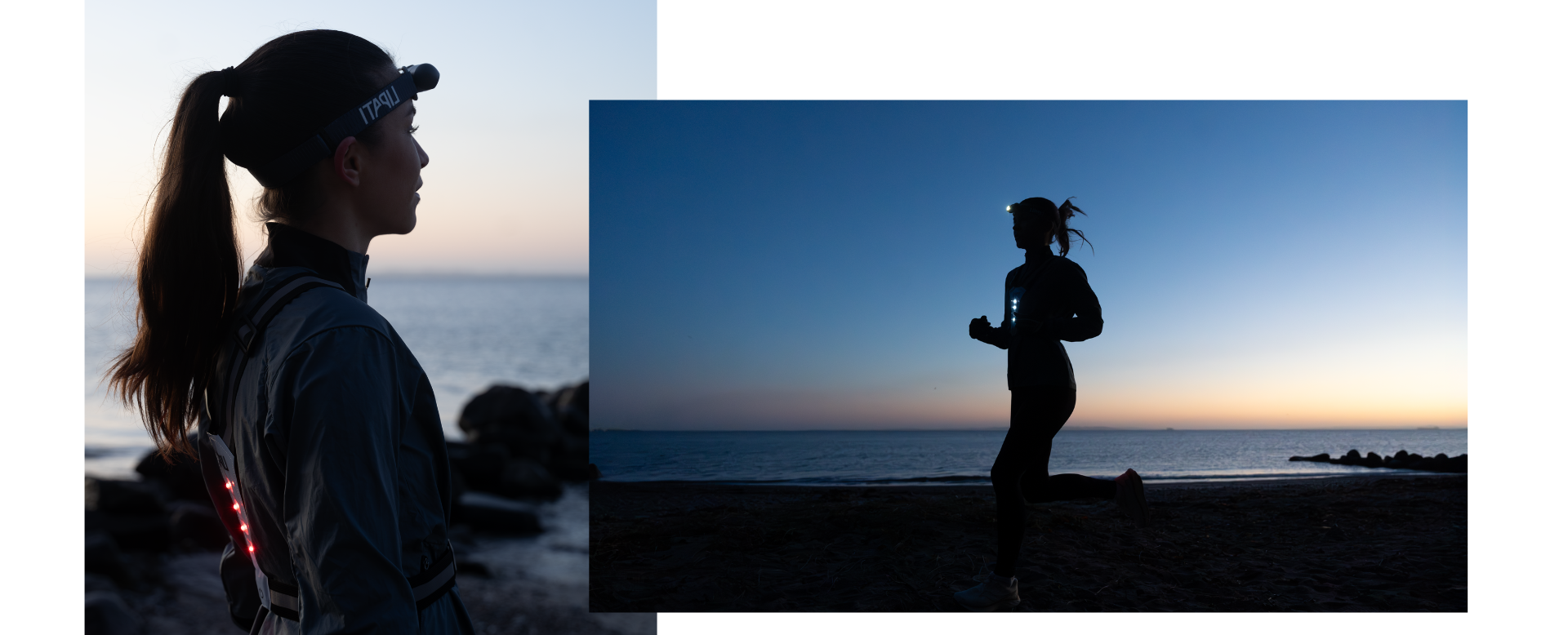
When gear's right, you're nearly ready for any winter weather. But one thing can still make a difference: light. In winter, many runs are in the dark. A headlamp gives better visibility and makes it easier to see your steps. It also makes you more visible to others. Consider reflective gear like vests with lights or bands. It doesn't take much but increases both safety and peace of mind on dark winter runs.
Ready for cold and miles
When apparel and gear are right, running in winter cold feels easier. Once you're out the door, the miles count just as much as a warm summer day – maybe even more.
Didn't find exactly what you were looking for? See our full range of , and .