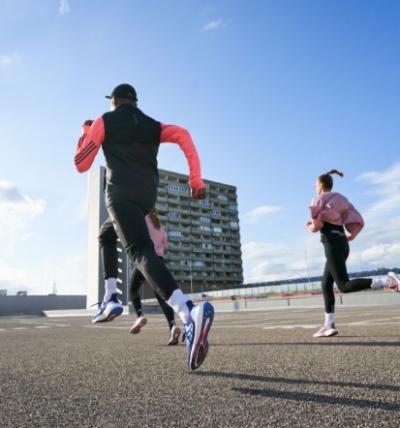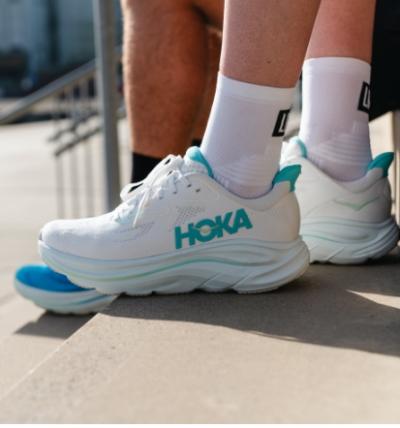



As a new runner, it can be hard to make sense of it all. What shoes should I buy? How far should I run? Am I running too slow or maybe too fast? These are questions many ask themselves at the start, and we try to answer them here.
On this page, you'll find a free running plan for beginners that adapts to your level and how many days a week you have available. The program ensures you start slowly and build up gradually, so there's one less thing to think about in your running start.

Running is a flexible way to be active
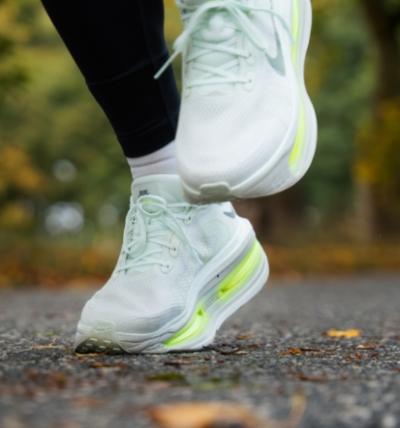
If you want to be more active, running is one of the most flexible ways to start. You don't need to join a gym or show up at a specific time. A good pair of shoes and a plan is really all you need. And a good sports bra if you're a woman. The rest of the gear can wait until you're well underway. Some are also motivated by a new set of running clothes waiting to be used, and then you should definitely buy it.
As a beginner, it's wise to combine running with walking. This way, you build your fitness slowly and reduce the risk of overloading your body. Most who start too quickly end up with sore knees or give up after two weeks. Alternating walking and running gives your body time to adjust to the load, and this way, you can be one of those who continue after the first two weeks. So take it easy at the start.
How to use the calculator and program
The calculator starts with two questions:
- What is your starting point
- What is your goal?
For the starting point, choose to start slowly if you haven't run before and your body isn't used to regular exercise, or that you're already active if you're used to moving through, for example, walking, cycling, or fitness, but not running yet. The two paths are structured differently, but both build up gradually over 10 weeks.
For the goal, choose whether you want to run for 20 minutes or 30 minutes. Both are good and realistic goals for a beginner. 20 minutes is a strong first goal, while 30 minutes suits those who want to go a bit further from the start.
You don't need a running watch to follow the program. You run based on how it feels, and the calculator explains what intensity to maintain along the way.
How the program is structured
All sessions start with 5 minutes of walking as a warm-up and end with 5 minutes of walking as a cool-down. The warm-up prepares the body for the load, and the cool-down helps it to wind down again afterward.
The training itself alternates between running and walking in intervals that gradually become longer. At first, you run short stretches with walking breaks in between. Over time, the running intervals become longer and the breaks shorter.
You train twice a week at the start. At a certain point in the program, you have the option for an optional third training session per week. It is indeed optional. If you have the energy and desire, you can include it. If not, two sessions a week are still fine.
Along the way, there are planned easy weeks, so-called deload weeks, where the volume is reduced. It's not a sign that you're behind, quite the opposite. It's during the easy weeks that the body converts training into real progress. Many find they feel stronger and lighter in the legs right after a deload week.
What intensity should I run at?
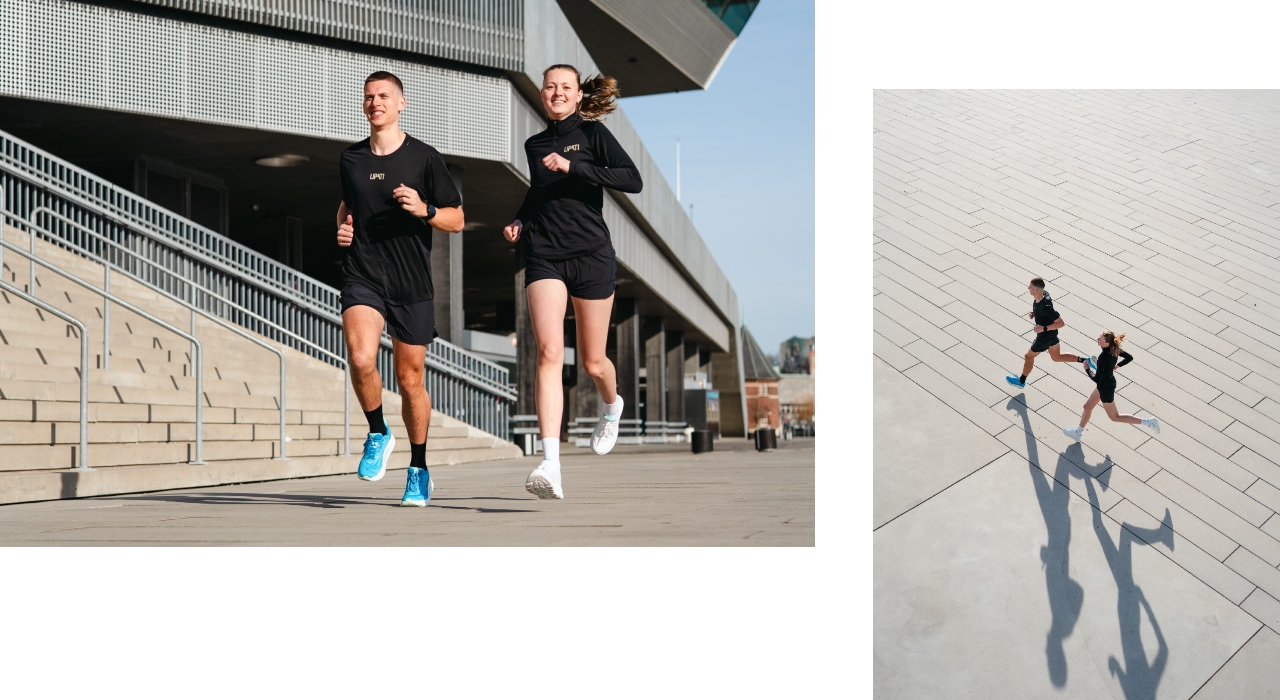
The program uses only two intensity levels. When you walk, warm up, or cool down, you're at the lowest level where you can talk effortlessly. When you run, you're at the next level where you're breathing more, but can still speak in sentences, maybe short sentences at the end of a running interval. This is your running pace in this program.
If you find you can only say single words or don't have the breath to talk, you're running too fast. Slow down or take a walking break until you have control of your breathing again.
| TRAINING INTENSITY | |
|---|---|
| Level 1 | You can talk effortlessly. Walking, warm-up, and cool-down. |
| Level 2 | You're breathing more, but can still talk in sentences. Sometimes only short sentences. Your running pace in this program. |
| Level 3 | You can only say short sentences or single words. Not used in this program — slow down or take a walking break. |
| Level 4 | So hard you can't talk. Not used in this program. If you end up here, walk until you catch your breath again. |
What to expect in the first weeks?
The first couple of weeks aren't always fun. Breathing feels chaotic, legs are heavier than expected, and you might wonder if it will ever feel natural. It will. But it takes time.
Most new runners experience breathlessness. It's about fitness, but also learning to regulate breathing under load. Your body learns this gradually. Slow down, take it easy, and trust it will get better.
Sore legs the day after is normal at the start and a sign that muscles are working and adapting. It's worth knowing that muscles adapt relatively quickly, while tendons and bones take longer. You don't always get a clear sense of overloading them. That's one reason the program is structured as it is, with a slow start and gradual progression. Ensure a rest day between running days and listen to your body. There's a difference between "good" fatigue and actual pain.
Most notice a clear difference after three to four weeks. Breathing calms down faster, legs aren't as sore the next day, and you start to feel like you can actually do this.
| WHAT TO EXPECT IN THE FIRST WEEKS? | ||
|---|---|---|
| What you feel | Why it happens | When it improves |
| Breathlessness | Lack of fitness and breathing regulation | Gradually. Slow down and trust the process |
| Heavy legs during running | Muscles aren't used to the load yet | Noticeable difference from week 3-4 |
| Sore legs the next day | Normal muscle reaction to new load | Fades quickly. Remember rest day between sessions |
| Side stitch | Disappears if pace is reduced. Breathe deeply | Occurs less often as fitness improves |
Running gearfor beginners
You don't need much to get started, but a good pair of
makes a big difference, not just for comfort, but also to avoid unnecessary injuries. The most important thing is that they fit your foot, your running style, and your preferences. The shoe that works for your colleague isn't necessarily the right one for you. Read our
, and you'll be well on your way.
Also try to vary where you run. Asphalt is fine for most runs, but trails and grass provide a softer impact and strengthen the body in a slightly different way. A bit of variation can be good for both motivation and your feet.
Consider investing in a pair of
. Everyday cotton socks get wet and heavy when you sweat and increase the risk of blisters. Running socks don't have to break the bank but can make a big difference for your feet.
As a woman, a good sports bra can also be necessary from the start, especially if you have a larger bust. See our full selection of sports bras for running
.
If you want a bit more comfort on your run, moisture-wicking can also be nice. It ensures your clothes don't get wet and heavy when you sweat, and you can more easily get rid of heat. In summer, shorts and a t-shirt can be enough, while running pants and a top are fine for fall and spring.
FAQ: Questions from new runners
I get side stitches. What should I do?
Side stitches are very common at the start and usually occur because you're running a bit too fast or haven't found a good breathing rhythm yet. Slow down and breathe calmly and deeply. It can also help to lift your arms slightly above your head to stretch the side of your body. Also, avoid eating a large meal close to your run. It becomes less frequent as your body gets used to running.
I need to walk during my run. Is that wrong?
Not at all. The program is built around exactly that. Walking is not a sign of weakness; it's part of the training and helps ensure your new running body can handle it.
How fast should I run as a new runner?
Slower than you think. Most new runners start too fast and are exhausted after a few minutes. Run at a pace where you can still speak in sentences. If it feels almost too slow, you're probably at the right pace.
What if I miss a training session?
Move on to the next session and don't worry about it. Don't try to make up for it by running double the next day. If you've been sick for a whole week, you can benefit from repeating the last week you completed.
Can I change the days in your running program?
Yes. The program is just a framework. The most important thing is to have a rest day between your running days so your body can recover.
I've completed this program. What's next?
Great, congratulations! Now you have a solid foundation to build on. If you're up for more, you can move on to our or . You can also dive into , which can help make you an even better runner.
If you have questions about equipment choices or your training, feel free to reach out to us at [email protected].
Have a great run out there!