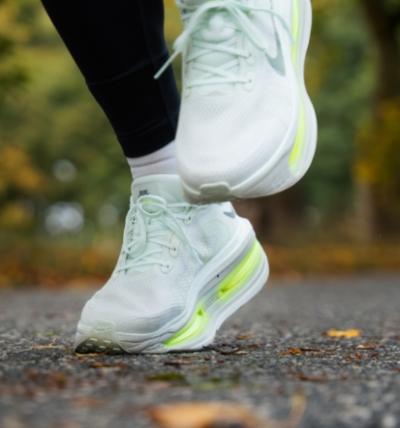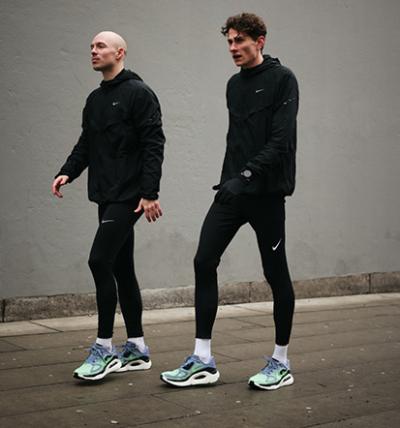

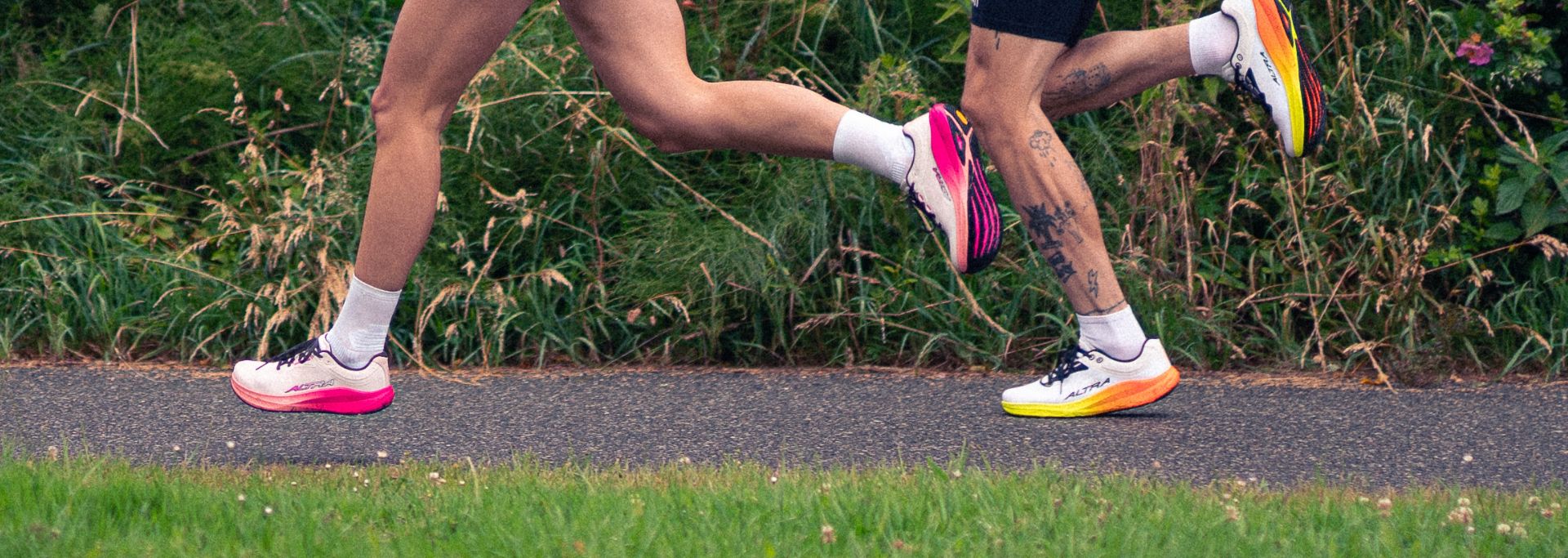

Altra makes running shoes with one idea at the centre: the shoe should follow the foot's shape. This means a wide forefoot with room for the toes to spread and a flat, natural foot position. For many years, the brand was known for zero drop, and many who first discovered Altra have stuck with the brand ever since.
Today, a large part of the models have a 4 mm drop. This makes the transition from regular running shoes significantly smaller and perhaps opens the brand to even more runners. Below, we review the 12 models we carry, from everyday shoes and competition shoes to trail, so you can find the one that fits your run.
ALTRA'S KEY TECHNOLOGIES
Altra builds their shoes around a few principles that recur throughout the range. If you know them, you can understand any Altra model in seconds:
FootShape
Altra's wide toe box follows the foot's own shape instead of narrowing towards the toe. Available in three variants: Original is the widest and found in trail models, Standard is the most common, and Slim (which Altra in the latest models calls Racing) is the narrowest and used in Vanish models, where the foot needs to sit securely. The width is primarily in the forefoot, while the fit in the heel and over the instep keeps the foot in place.
 Altra Footshape
Low drop: 0 or 4 mm
The classic models have 0 mm, what Altra calls Balanced Cushioning: heel and forefoot are at the same height, so you stand level in the shoe. This shifts some of the load from the knee down to the Achilles tendon and calves, so the transition should be taken in small steps.
The Experience series and FWD Via instead have 4 mm. Still significantly lower than regular running shoes at typically 8-12 mm, but for most, the easiest way into the brand.
Altra's foam types
Altra uses different foams depending on the shoe's purpose: durable foams for everyday runs, soft foams for long runs, and light, energy-returning foams in competition shoes. Materials range from classic EVA in everyday models to supercritical PEBA in competition shoes.
GuideRail
Altra's stability technology. Instead of hard foam under the arch, there are reinforcements along the heel and midfoot, guiding the foot back without steering it through the entire stride. Therefore, the shoes can often be worn by both neutral runners and those with mild overpronation.
ALTRA RUNNING SHOES FOR DAILY TRAINING
Here you find the Altra shoes built for daily miles on the road.
Altra Experience Flow 3
- Best entry to Altra
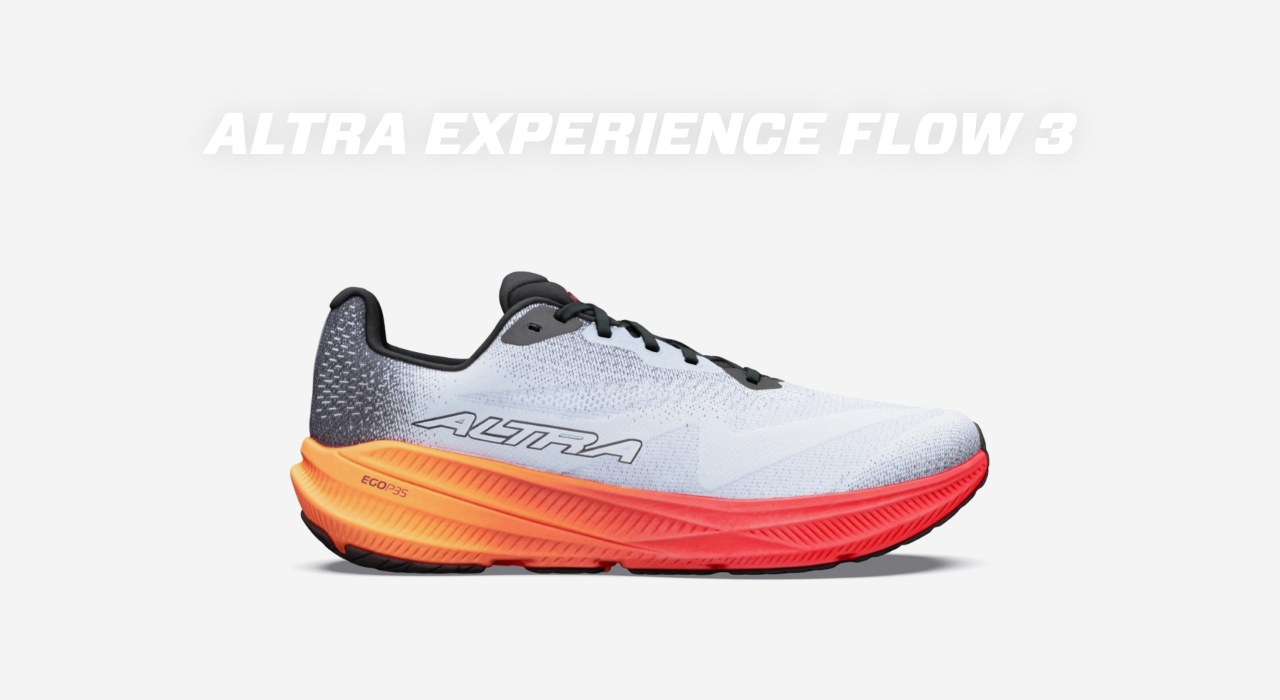
is built for the introduction to Altra. The 4 mm drop makes the transition from regular running shoes noticeably easier: you get the wide toe box and foot-shaped silhouette without putting calves and Achilles tendons to work from day one. EGO P35 foam is softer and more springy than the classic EGO, and the shoe works broadly for easy runs, slightly faster runs, and everyday use. If you've never run in Altra before, this shoe can be a good place to start.
Weight: 255 g. (size US 9), 212 g. (size US 7.5)
Heel drop: 4 mm (men), 4 mm (women)
FootShape: Standard
Altra Torin 9
- Best mileage trainer
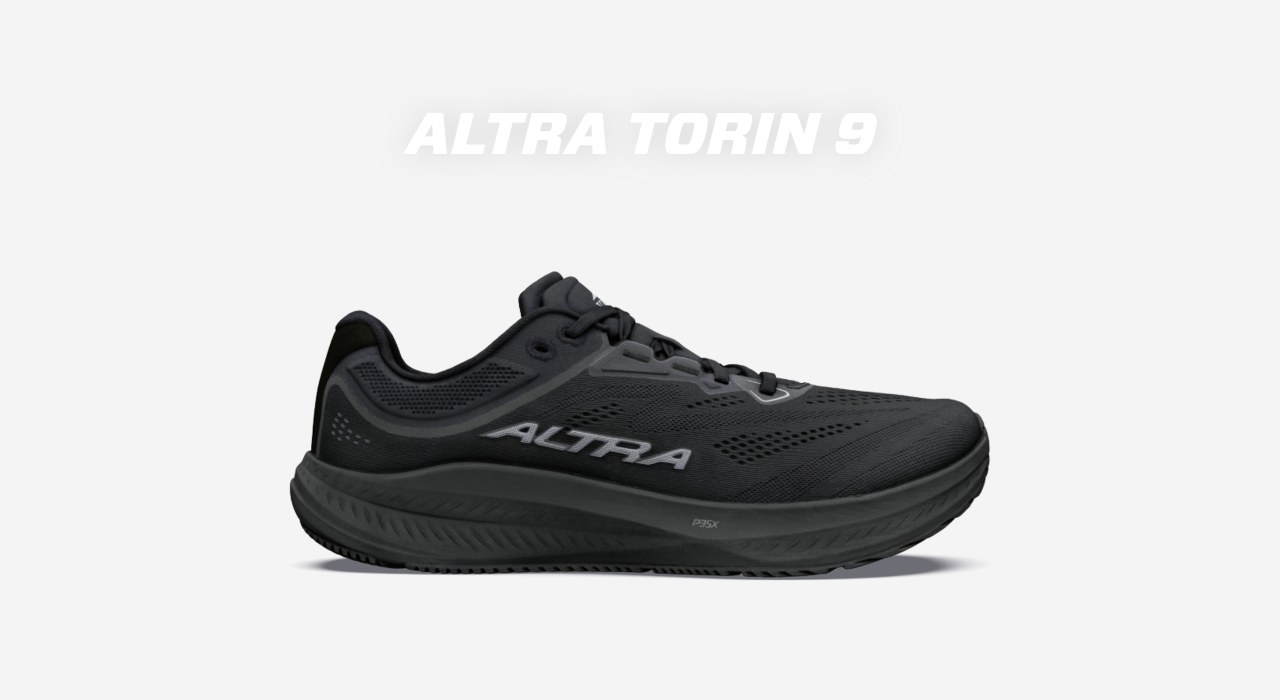
is a model people return to. The ninth generation is still the neutral mileage trainer with zero drop, built to eat miles without demanding your pace. If you're coming from a high drop, the shift from 10-12 mm to zero can be felt in calves and Achilles tendons, so it's good to be aware and take the transition slowly. Once you're used to the low drop, Torin 9 is one of the most versatile Altra shoes on the road.
You can find Jakob's test:
Weight: 269 g. (size US 9), 221 g. (size US 7.5)
Heel drop: 0 mm (men), 0 mm (women)
FootShape: Standard
Altra Escalante 5
- Best lightweight everyday shoe
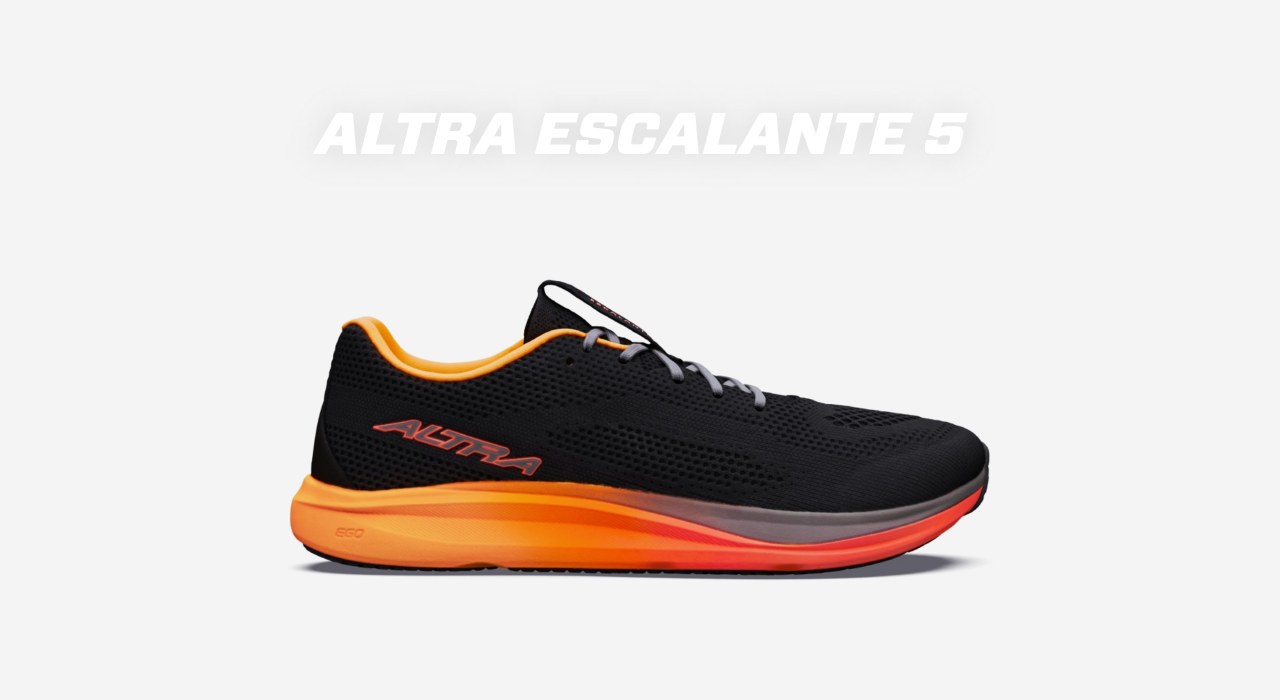
is the most minimalist of the road shoes. Low, flexible, and with a knitted upper that follows the foot. You feel the ground more than in the rest of the series, and that's the point: the shoe is for those who want as little between foot and road as possible without going fully barefoot. It works for shorter, faster runs and as an everyday shoe for many.
Weight: 255 g. (size US 9), 221 g. (size US 7.5)
Heel drop: 0 mm (men), 0 mm (women)
FootShape: Standard
Altra FWD Via 2
- Best soft everyday shoe
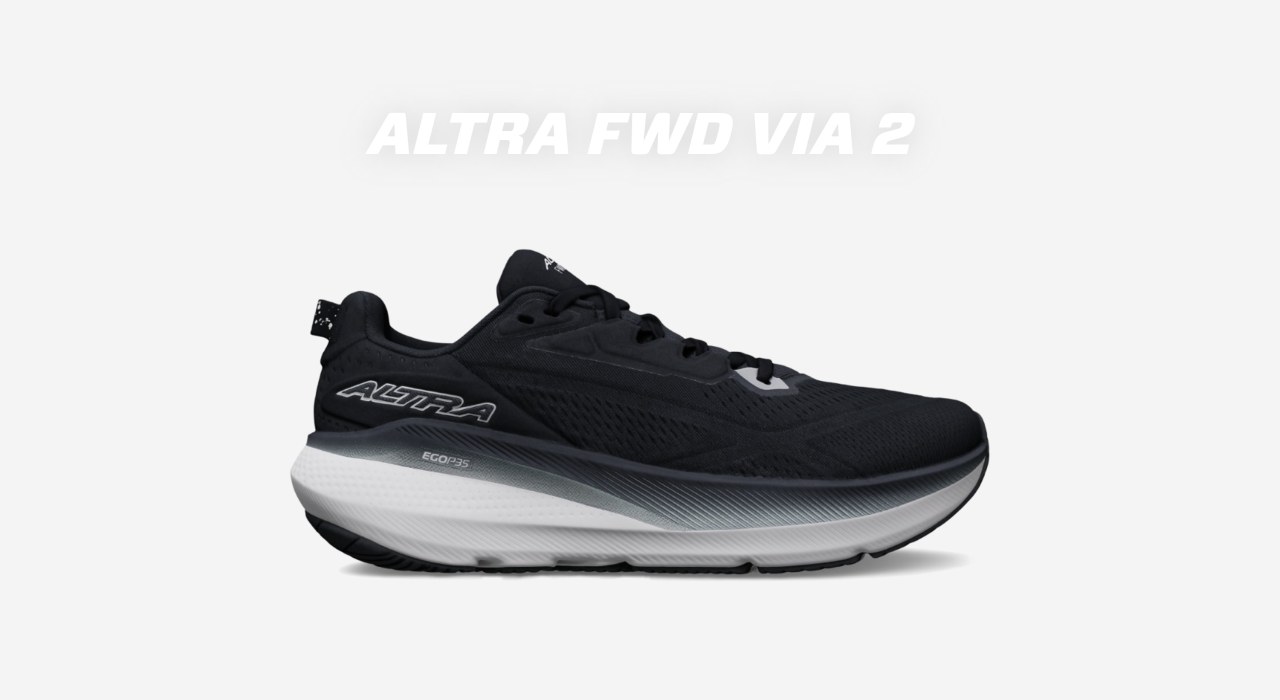
is the softest of the road shoes. Like the Experience series, it has a 4 mm drop, and EGO P35 foam provides a calm, yielding feel underfoot. It's for long, slower runs and for those who use the same shoe for both running and everyday. It's not built for speed, but it's comfortable for spending many hours in.
Weight: 275 g. (size US 9), 247 g. (size US 7.5)
Heel drop: 4 mm (men), 4 mm (women)
FootShape: Standard
ALTRA RUNNING SHOES FOR MILD OVERPRONATION
Altra doesn't make stability shoes in the classic way. There's no hard wedge under the arch: instead, GuideRail guides the foot from the sides, making the shoes less controlling than many other stability models.
Altra Experience Flow ST
- Best for mild overpronation
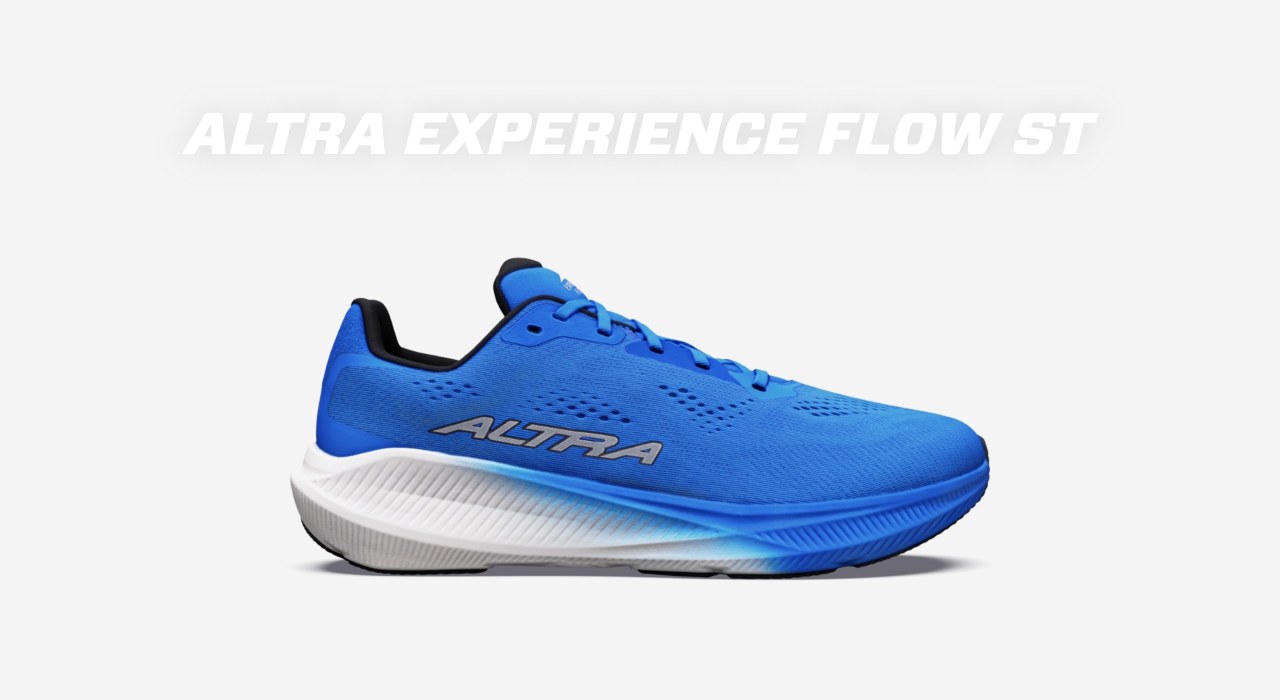
Altra Flow ST is Flow 3 with guidance. Same 4 mm drop and same foam, but with reinforcements that keep the foot in place if it tends to roll inward. It's for those who want light support rather than firm control. At the same time, it's the most accessible place to start if you need to adjust to low drop and need some support.
Weight: 230 g. (size US 9), 200 g. (size US 7)
Heel drop: 4 mm (men), 4 mm (women)
FootShape: Standard
ALTRA RUNNING SHOES FOR SPEED AND COMPETITION
Here you find the best Altra shoes for tempo runs, intervals, and competitions.
Altra Vanish Carbon 3
- Best competition shoe
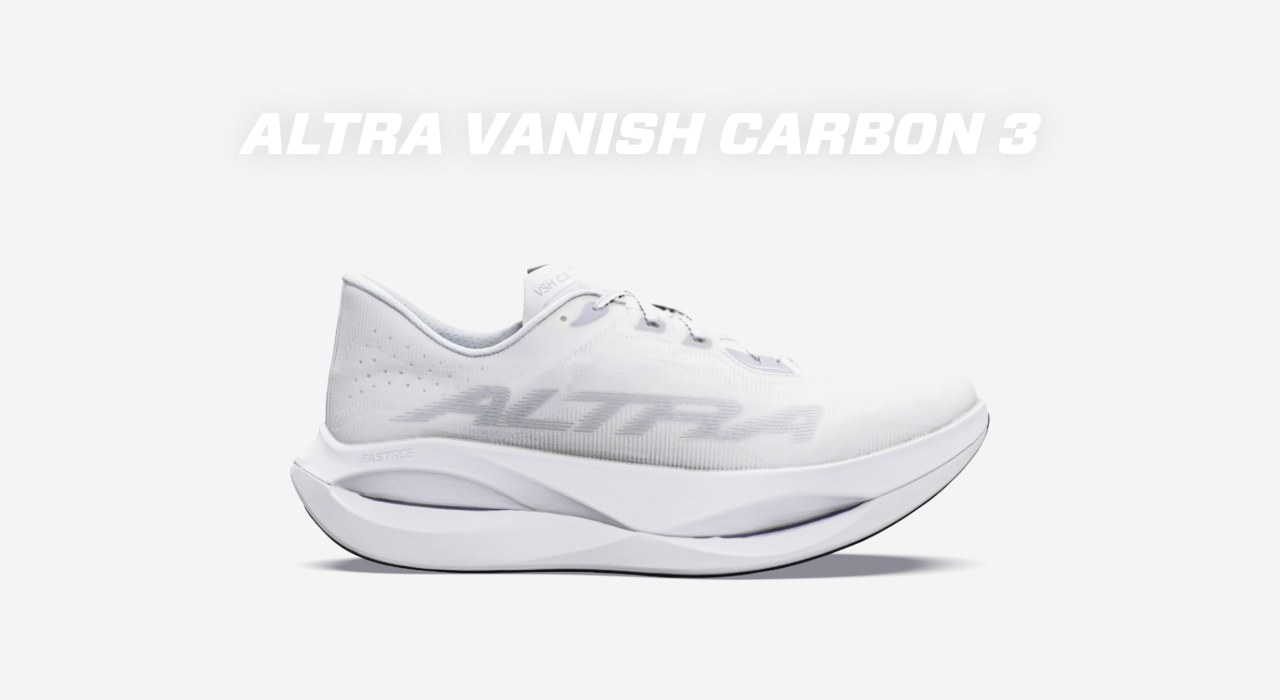
was originally the first running shoe with both a carbon plate and zero drop. The third generation has left zero and now has 4 mm, and it is deliberate: along with the high midsole and strong rocker, it makes the shoe usable for many more runners than its predecessor. The split carbon plate works independently under the big toe and forefoot, so the push-off follows the foot's natural movement, and FAST RCE foam provides the energy return expected from a modern racer. It's for competition from 10 km and up, not for daily training.
Weight: 220 g. (size US 9), 192 g. (size US 7.5)
Heel drop: 4 mm (men), 4 mm (women)
FootShape: Slim/Racing
Altra Vanish Tempo 2
- Best for tempo runs
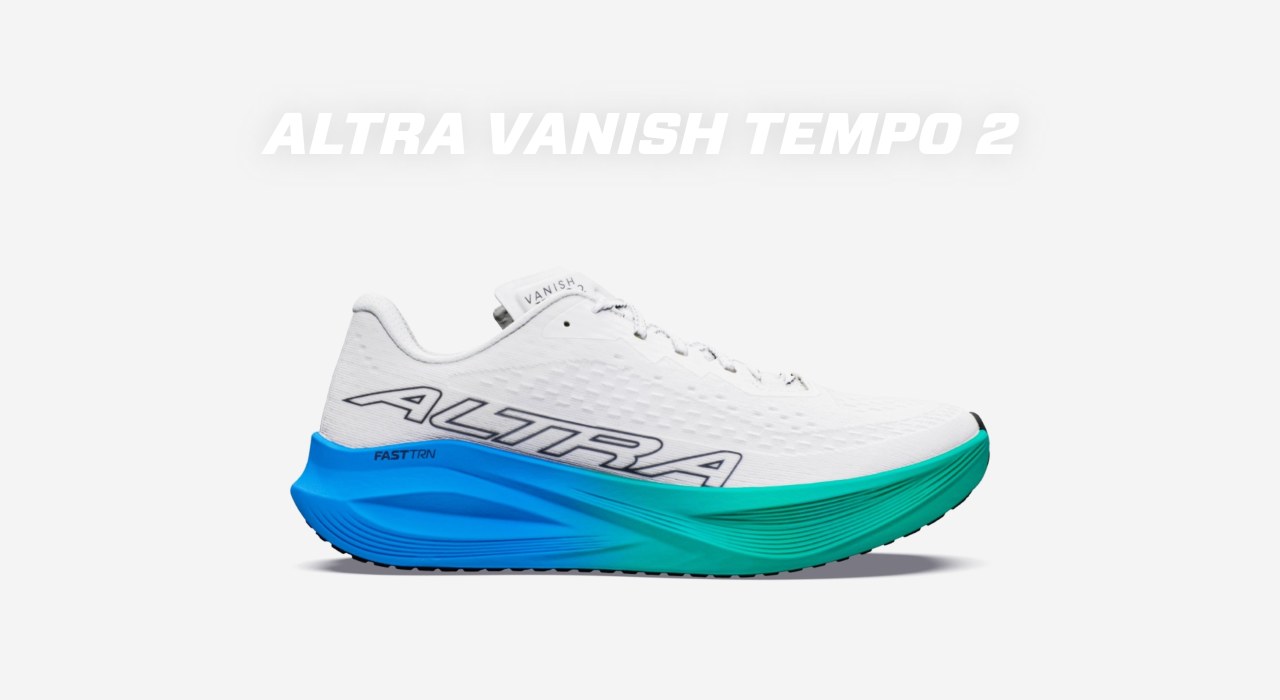
is the alternative if you want speed without bringing out the race shoes. Like Vanish Carbon 3, it has a 4 mm drop and narrow last, but instead of carbon, it has a split Pebax plate, more flexible and forgiving for everyday use. It works for intervals, tempo runs, and days when you just want to run fast. Vanish Pulse is the lighter sister model in the same family.
Weight: 243 g. (size US 9), 208 g. (size US 7.5)
Heel drop: 4 mm (men), 4 mm (women)
FootShape: Slim/Racing
ALTRA TRAIL SHOES
Altra started on the trails, and the trail series is still the part of the range with the most followers. The shoes below are sorted from least to most cushioning, so you can find your level.
Altra Lone Peak 9+
- Best trail all-rounder
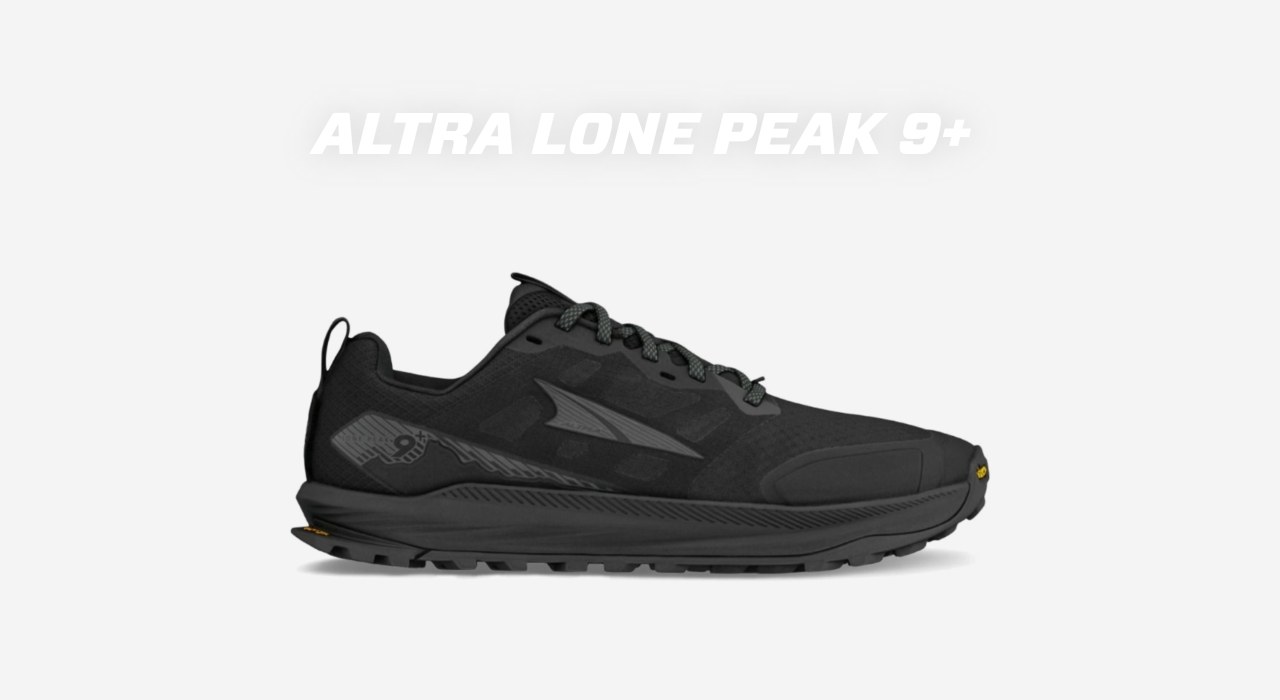
is Altra's signature model and the one most people ask for. Original FootShape provides the widest toe box in the series, and the shoe is built low and stable rather than soft and high. You stand close to the ground and feel what you're stepping on, which is an advantage when trails get technical. It's for forest, gravel, and trail, for everyday trail training and hiking.
Lone Peak 9+ also comes in a Wide version with extra space throughout the shoe, and in GORE-TEX for the wet months.
Weight: 327 g. (size US 9), 264 g. (size US 7.5)
Heel drop: 0 mm (men), 0 mm (women)
FootShape: Original
Altra Experience Wild 3+
- Best entry to trail
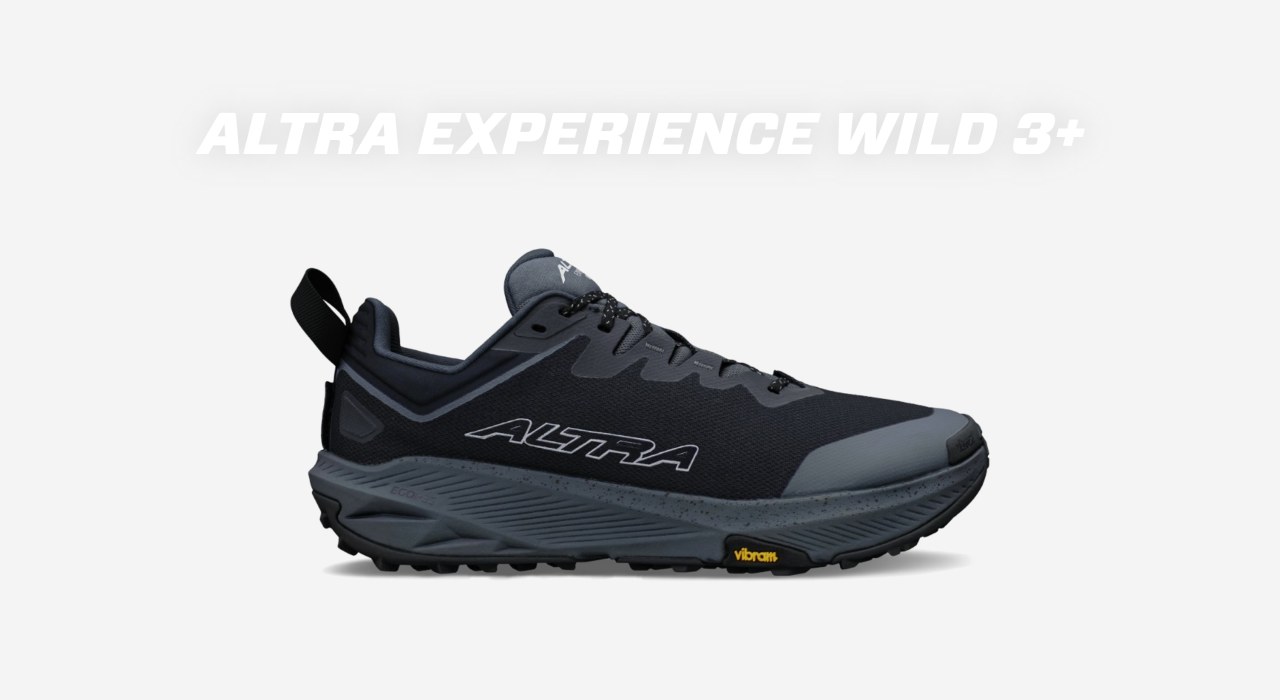
is the Experience series' trail model and the only trail shoe from Altra without zero drop. The 4 mm makes it the easiest way to start with Altra on trails. It's for lighter terrain, gravel roads, and forest paths, and for runners who want to try trail without having to get used to zero drop at the same time.
Weight: 323 g. (size US 9), 264 g. (size US 7.5)
Heel drop: 4 mm (men), 4 mm (women)
FootShape: Standard
Altra Timp 6
- Best for long trail runs
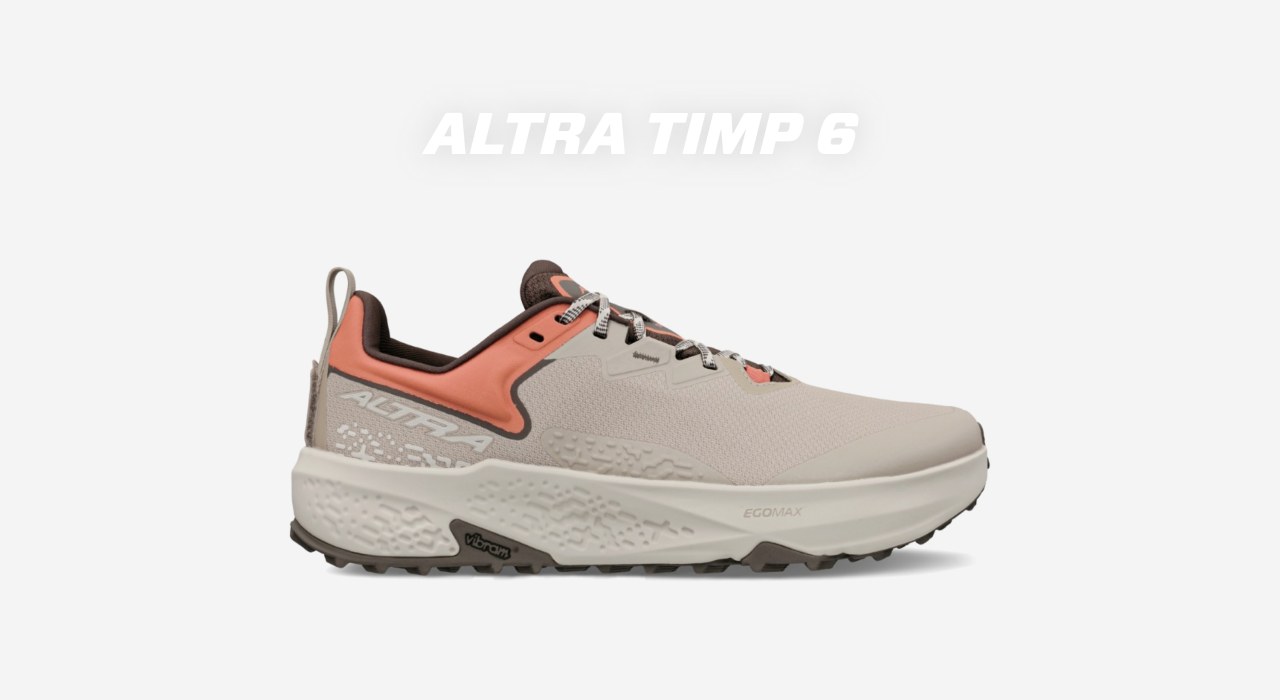
sits between Lone Peak and Olympus: more foam than the first, less than the second, and with Standard FootShape instead of Original. This makes it the most versatile trail shoe in the series, and it also works on gravel roads and asphalt sections on the way to the trail. It's for those who run long distances in varied terrain and want a bit more shoe underfoot than Lone Peak offers.
Weight: 326 g. (size US 9), 264 g. (size US 7.5)
Heel drop: 0 mm (men), 0 mm (women)
FootShape: Standard
Altra Olympus 7
- Best for ultra and long days
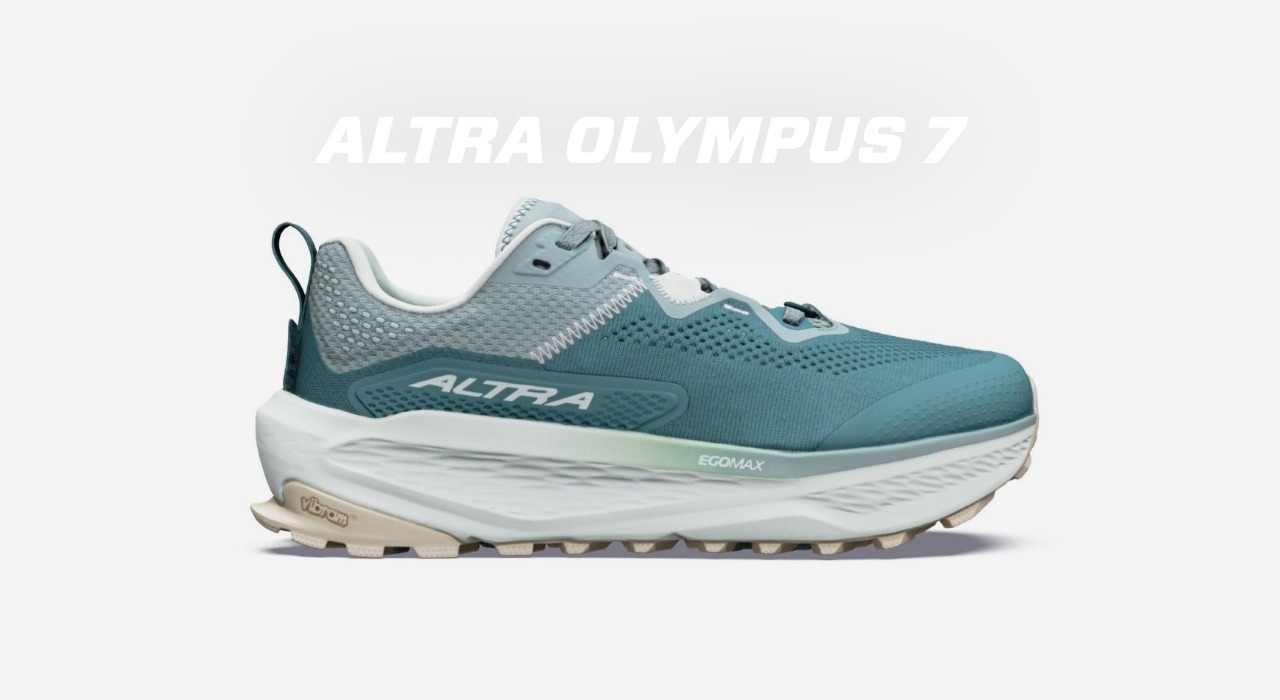
is the highest and softest trail shoe Altra makes. Original FootShape, lots of EGO MAX foam, and Vibram Megagrip outsole. On paper, it sounds heavy, but the rocker in the sole makes it easier to run in than the stack height suggests. It's for ultra distances and long days in the terrain, where the legs need to last the whole way.
Weight: 325 g. (size US 9), 274 g. (size US 7.5)
Heel drop: 0 mm (men), 0 mm (women)
FootShape: Original
Altra Mont Blanc Carbon
- Best for trail at top speed
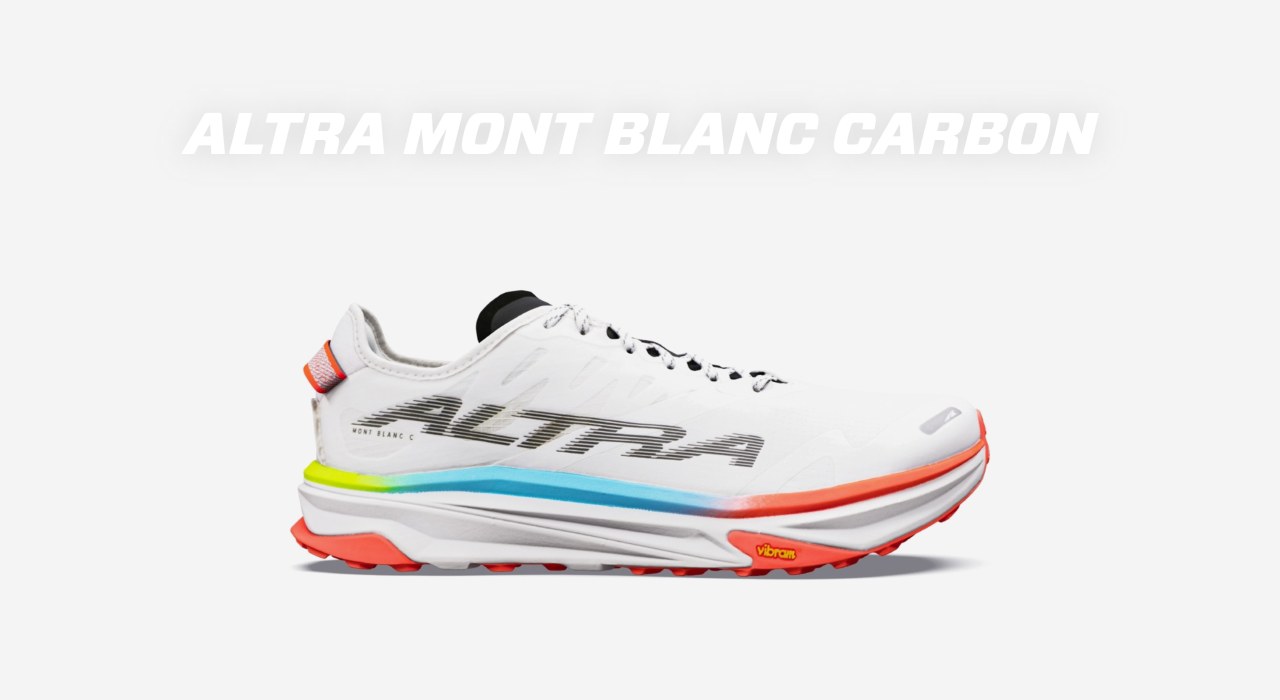
is Altra's trail racer and one of the very few carbon shoes with zero drop on the market. The Carbitex plate is designed to flex with the foot, providing propulsion without locking the ankle on uneven ground, and Vibram Megagrip Litebase keeps the weight down. It's for competitions and long days in the mountains, where pace needs to be maintained. Mont Blanc Speed is the slightly more subdued variant without a plate.
Weight: 309 g. (size US 9), 249 g. (size US 7.5)
Heel drop: 0 mm (men), 0 mm (women)
FootShape: Standard
GORE-TEX and Wide: when does it make sense?
Several models are available in variants that cover two specific needs.
GORE-TEX (GTX)
Provides a waterproof upper, keeping the foot dry in wet grass, mud, and rain. The shoe is warmer and slightly heavier, and it dries slower if water gets over the edge. Makes most sense from autumn to spring. We carry GORE-TEX versions of Lone Peak 9+, Timp 6, Torin 8, and Torin 9.
Wide
A wider last with extra space throughout the shoe, not just in the front. It's relevant if you have a strong foot over the instep, or if you use insoles. Unsure? Try the standard version first: most runners have ample space in Altra's regular last.
Which Altra should you choose?
Ask yourself three questions, in this order:
- Surface: if you mostly run on asphalt, check the road sections above; if it's forest and trail, look in the trail section. This halves the options immediately.
- Drop: if you're used to regular running shoes with 8-12 mm, one of the 4 mm models offers the softest landing. If you're already accustomed to low drop, or have the time and patience for the transition, zero drop models are open to you.
- Purpose: is the shoe for daily training, long runs, or races? Each section above is built around this question, so that's where you'll find your model.
And no matter which you choose, give your foot time. Low drop and wide toe box change how you stand in the shoe, and that transition needs time. Start short, build up, and let calves and Achilles tendons set the pace.
Frequently asked questions about Altra
Are all Altra shoes zero drop?
No, not anymore. Torin, Escalante, Lone Peak, Timp, Olympus, and Mont Blanc still run 0 mm, but the entire Experience series, FWD Via, and the latest Vanish models have a 4 mm drop. Everything in the range is still significantly lower than regular running shoes, which typically range from 8-12 mm.
How long does it take to get used to low drop?
It's individual, depending on whether you go to 4 mm or all the way to zero and what you're coming from. The jump to 4 mm is usually only felt in the first weeks, while the shift to zero drop takes longer. Start with short runs, increase gradually, and keep your old shoes for long runs in between.
Are Altra good for wide feet?
Yes, it's one of the most obvious reasons to choose the brand. The FootShape toe box allows toes to spread, and Lone Peak 9+ even comes in a Wide version with extra space throughout the shoe.
Can I use Altra if I have narrow feet?
Yes. The shoes are only wide at the front; over the instep and heel, they hold the foot normally. If you have very narrow feet, look at models with Standard or Slim FootShape instead of Original.
What's the difference between Lone Peak, Timp, and Olympus?
Primarily cushioning. Lone Peak is low and stable with the best ground contact, Olympus is high and soft for long days, and Timp is in between.
Can you wear Altra running shoes daily?
Yes, many enjoy Altra for everyday use too. The wide toe box and flat platform work well for walking and daily wear. Escalante 5 and FWD Via 2 are the most obvious for combined running and daily use.
More Altra and more trail
See the full range from
here. You'll also find GTX and Wide versions and Altra's shoes for hiking and everyday use, not mentioned in this article.
If trails are calling, you can go directly to our selection of
or see all our
across brands, where you can filter by the surface you run on.