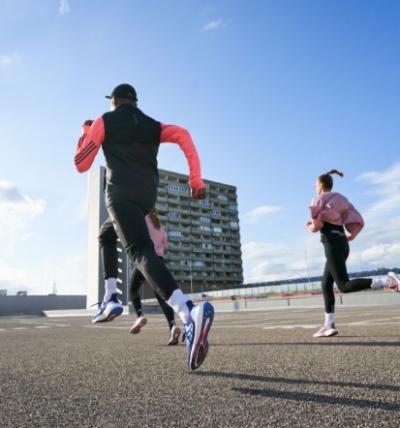



A headlamp makes it easier and safer to go out when it's dark, whether it's a run in the winter months, a walk with the dog, a bike ride, or a trip in the woods. The lamps typically look similar on the outside, but there are big differences in what they can do and which needs they meet. This guide gathers what you need to know before you hunt for a headlamp: brightness, range, battery, light settings, comfort, and waterproofing. Along the way, we also look at what typically suits different activities, so you have a clear picture to go by.
The six most important things
When a headlamp needs to fit you, there are five main factors: how much light it gives, how it gets power, what light settings it has, how comfortably it sits, and how well it withstands weather. The next sections take them one at a time, so you can compare them to your own use. There's rarely one lamp that fits everything perfectly, but there's usually one that fits well for what you need it for.
Brightness and Lumens
Brightness is measured in lumens, indicating how powerful the light is. How much you need depends on your surroundings. For walks, evening outings, and nearby lighting, many manage with around 100 to 250 lumens. For running and cycling in the dark, where speed is higher and you want to see further ahead, many lamps are around 250 to 500 lumens. And if the light needs to reach far where there's no other lighting, there are models with 500 lumens and more. The number is a good starting point, but it doesn't say everything alone, as the way the light is shaped matters just as much.
Range and Beam Type
Lumens indicate strength, while range is about how far the light reaches, depending on how it's shaped. A wide beam lights up a large area close by, which is nice when moving slowly or working with hands. A focused spotlight sends light further, so you see more ahead. Many lamps can mix the two, providing both close-up overview and distant light, practical when pace and terrain change.
Rechargeable or Battery
Power comes from either a rechargeable battery or regular batteries. A rechargeable lamp is easy to keep ready when used often. A lamp with regular batteries allows quick changes on the go, useful far from home. Some lamps can use both, providing a backup.
Battery Life in Practice
How long a headlamp lasts depends on the setting used. Full power drains the battery fastest, while lower settings can extend life over many hours. Therefore, a single number rarely tells all, and many manufacturers provide multiple times, one for each setting. In practice, most switch between settings and only turn up when needed. Cold weather can also affect battery life, so in winter, it may last shorter than on a mild day. On longer trips, it's good to know the lamp's times in advance to ensure it lasts the whole way.
Light Settings
Most headlamps have multiple settings to adjust light as needed, saving battery. A low setting often suffices for nearby, while a strong one is used for seeing further. Some lamps also have red light, gentler on eyes in the dark.
Comfort and Weight
How comfortably a lamp sits is especially noticeable on longer trips. A light lamp almost fades into the background, while a heavier one can start to press after long wear. Weight plays a big role in comfort, and some models have the battery at the back instead of the front, distributing weight more evenly for a stable fit that doesn't pull down on the forehead.
Waterproofing and IPX
The degree of waterproofing is often indicated by the IPX code and a number in the product text. The number tells how much water the lamp can withstand, and the higher it is, the more it can handle. Most headlamps are at IPX4, meaning they handle rain and splashes from all sides. This is fine for regular runs and walks in typical weather, where the lamp meets rain and moisture but isn't submerged.
If you need more, there are models with IPX7, which can withstand brief immersion, like if dropped in a puddle or used in very wet conditions on longer trips. A few models go even higher and can handle deeper water. You don't need to aim for the highest number. It's mostly about the lamp fitting the weather and conditions you usually encounter, so a regular water-resistant lamp suffices for most.
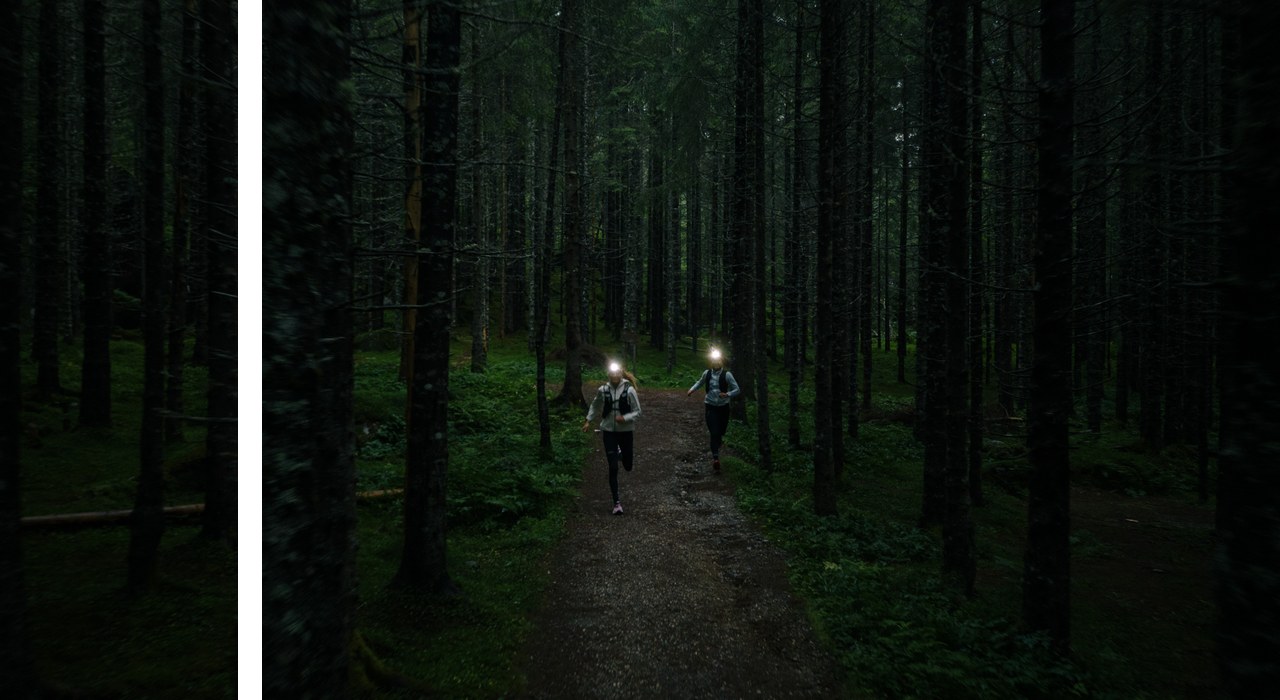
Find a headlamp for your needs
Your needs greatly determine which lamp to choose, as a lamp perfect for one situation may be wrong for another. It's a good idea to consider how and where you'll most often use it before looking at numbers and specs.
Running
For running in the dark, low weight and a steady forward light matter most. A heavy lamp moves up and down with each step, so comfort and a stable fit often matter more than a few extra lumens. A steady light ahead helps you read the terrain in time to react to stones, roots, and edges.
Walking
For walks and errands nearby, a simple lamp with moderate light goes a long way. Here, you move slowly and rarely need to see far ahead, so a broad, close light that illuminates the path and what you're holding is plenty. Long battery life and easy operation are nice, so the lamp just works when you need it.
Cycling
On a bike, a steady forward light is nice, following when you look to the side. A headlamp complements the front light well, as it follows your gaze. Choose a setting that doesn't blind oncoming traffic, and note that speed demands more from the light's reach.
For Children
If the lamp is for a child, low weight and simple operation are key. A light lamp fits better on smaller heads and doesn't bother during use, and few, clear buttons make it easy to turn on and off. It can also be nice if the lamp can switch to red or dimmed light, so the child doesn't blind themselves or others.
Hiking
If you're into outdoor life and long trips, good battery life often matters more than high brightness. On a trip where you're out for many hours or days, it's more important that the light lasts the whole way than that it can shine very far. Look for long burn time on lower settings, the ability to change or charge the battery on the go, and a lamp that withstands weather.
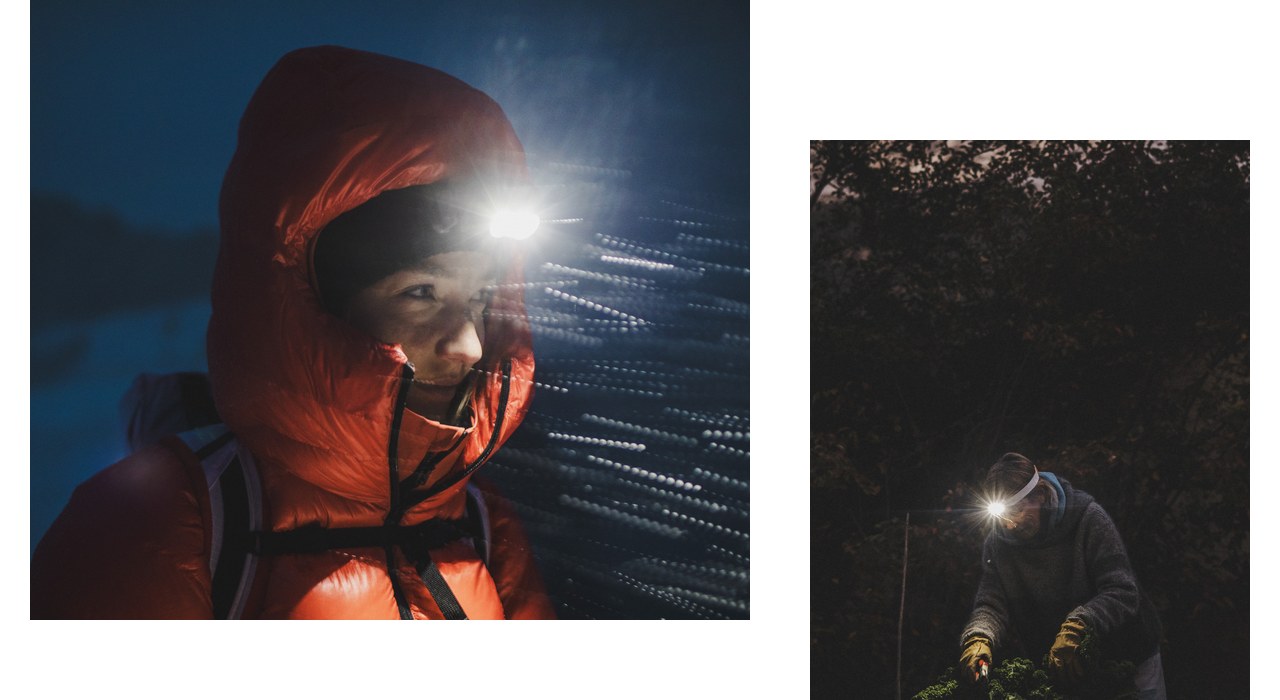
Operation and practical details
The small things in daily life also matter. A lamp that can be operated with few presses is easy to change settings on the go, and large buttons are nice if you use gloves. Many lamps can tilt, so you can direct the light close or further as needed. A lock function is practical, preventing the lamp from turning on accidentally and draining the battery in the bag. These are details that don't take up much in the description but are felt in daily use.
How to compare models
When comparing models, it's easier to choose if you look at the same points each time. Lumens indicate strength, meters the range, and battery life is often listed for each setting. Weight is felt on the forehead, and an indication of how well the lamp withstands water tells if it can keep up outside. If two lamps are equal in brightness, weight, battery life, and fit often decide which suits you.
It helps to write down your main use first, as it makes it clear which points weigh most and which aren't as crucial.
Maintenance to keep the lamp lasting
A headlamp lasts longer with some care:
- Wipe it off if it's been out in rain and mud
- Store it in a dry place
- Charge a rechargeable battery regularly, even when not in use
- Remove loose batteries if the lamp will be unused for a long time to prevent leakage
- Check the headband for wear occasionally
- Keep the charging cable and contacts clean and dry
How many lumens should a headlamp have?
- For walks and everyday use: around 100 to 250 lumens
- For running and cycling in the dark: 250 to 500 lumens
- For demanding forest and trail trips: 500 lumens and more
What is the difference between lumens and meters?
What does IPX mean on a headlamp?
How long does the battery last?
How do I care for my headlamp?
- Wipe it off after wet and muddy trips
- Store it in a dry place
- Charge a rechargeable battery occasionally, even when not in use
- Remove loose batteries if the lamp will be unused for a long time
Can a headlamp be worn over a hat or helmet?
More light for your trips
If you want to move on from here, you can see our entire selection of and find the one that suits you. If you mostly run in the dark, our guide on the goes more in-depth on that. And if you want to be extra visible on dark trips, you can check out our category .