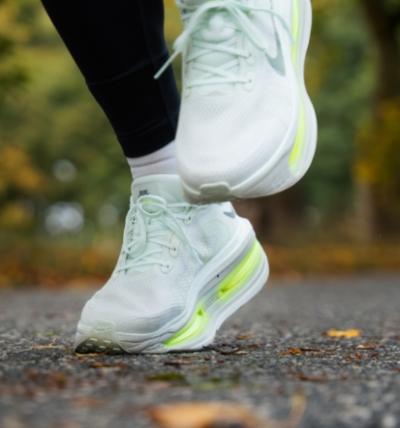

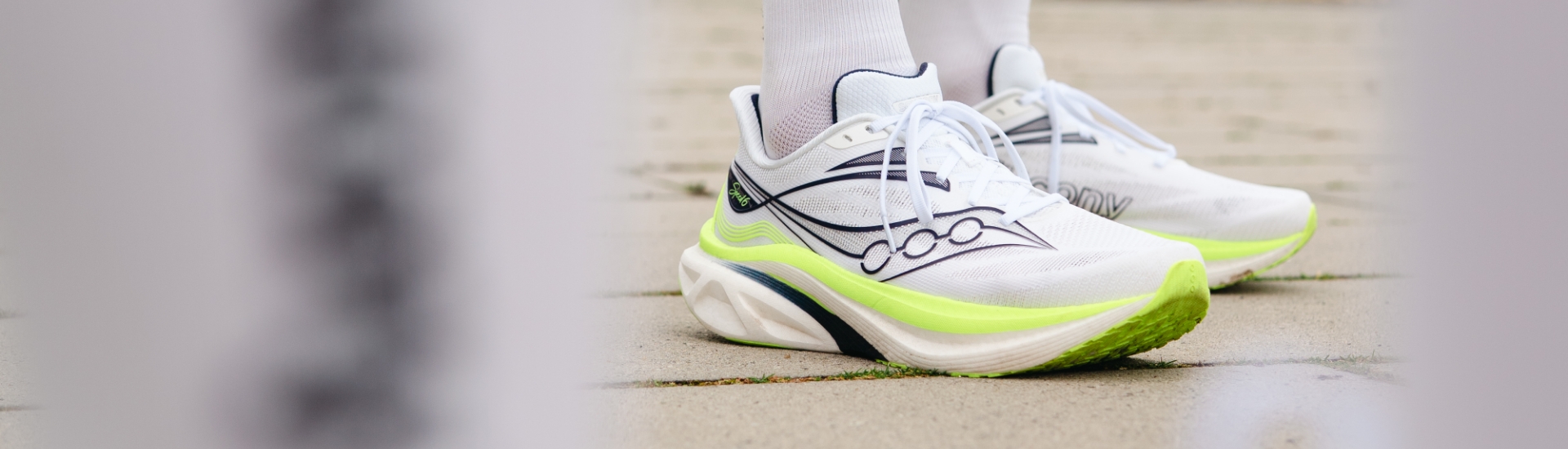

Saucony Endorphin Speed 6 launches on November 1, 2026. We've tested the shoe.
For the sixth year in a row, Saucony has made a do-it-all shoe for the casual runner, which is also highly relevant for experienced runners.
Last year, I wrote about Endorphin Speed 5, that the series is Often it takes at least three generations of shoes before a series truly finds itself. That's not the case here.
Saucony's has had a tailwind from the start. And maybe that's stood in the way of the series' development. Until now. This year, the shoe still looks like itself, but the feel is entirely different. It's the first time I can say that about a shoe from this series.
Saucony Endorphin Speed 6
| Specification | Endorphin Speed 6 |
|---|---|
| Type | Neutral, intervals |
| Drop | 8 mm |
| Weight | 233 g (men US 9) / 198 g (women US 7.5) |
| Midsole | PWRRUN PBX |
| Upper | Updated mesh |
Specifications are based on standard size and may vary slightly between colors/models.
New foam, more speed
A lot of this new feel can be explained by looking at the midsole. At first glance, it looks like its predecessor. The foam looks the same, and you still find a nylon plate in the sole.
But even though the foam looks like last year's, it's actually a new version: PWRRUN PBX.
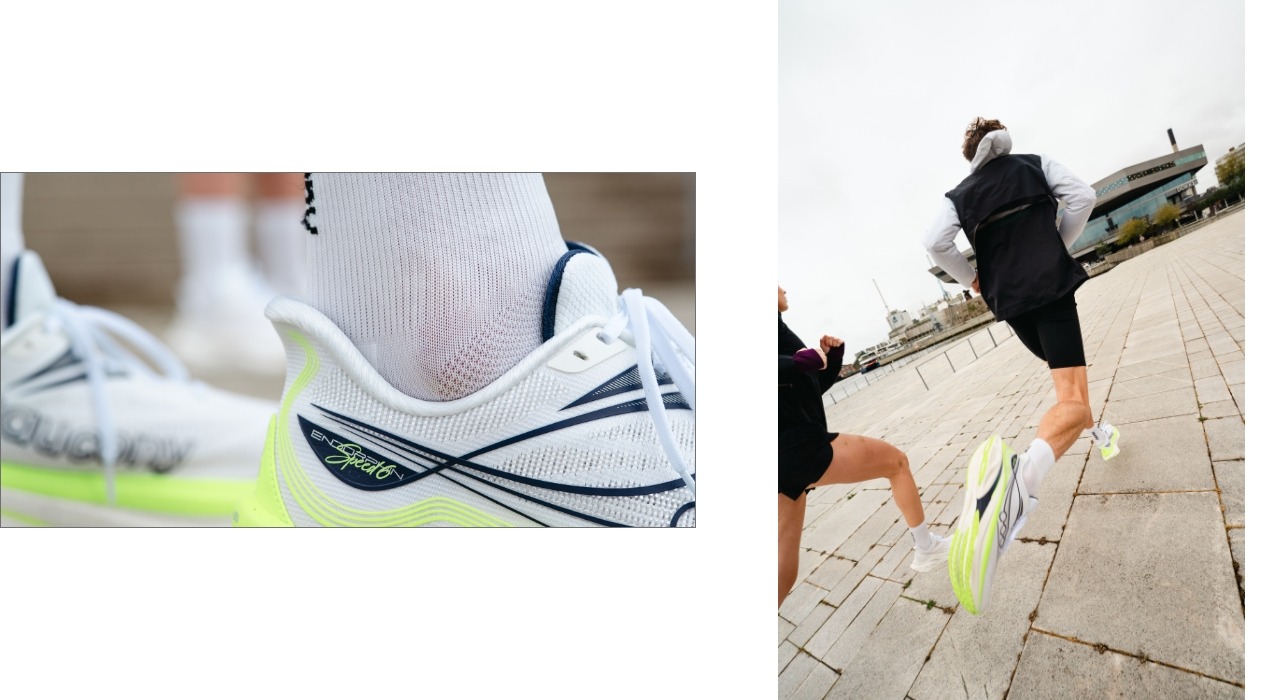
To understand the difference, it makes sense to look at how this type of foam is made. PEBA is, in short, a light and elastic plastic type. When talking about beaded PEBA, it means the foam is built from small beads. They can expand using gas under high pressure. When the pressure is lowered, the gas forms small bubbles inside the material, so the beads grow and become foam. They are then bound together in a mold, typically using heat and steam, to become one complete sole. You could say the material is "inflated," but it happens from within.
This gives manufacturers more options to change the feel underfoot. Both the material itself and the way it becomes foam affect the result. PEBA is therefore not a fixed recipe that always feels the same.
Lighter, but firmer underfoot
This year, the shoe is 4 grams lighter than its predecessor, and the new foam feels more responsive. Initially, I would have expected that the lower weight also meant a more unstable feel underfoot.
But actually, the opposite has happened here.
The shoe feels firmer underfoot. This means I quickly find a stable base for takeoff. From when the foot lands to when it pushes off again, it must both absorb the load and prepare to push off. How it feels depends on several things, including running style, pace, and shoe.
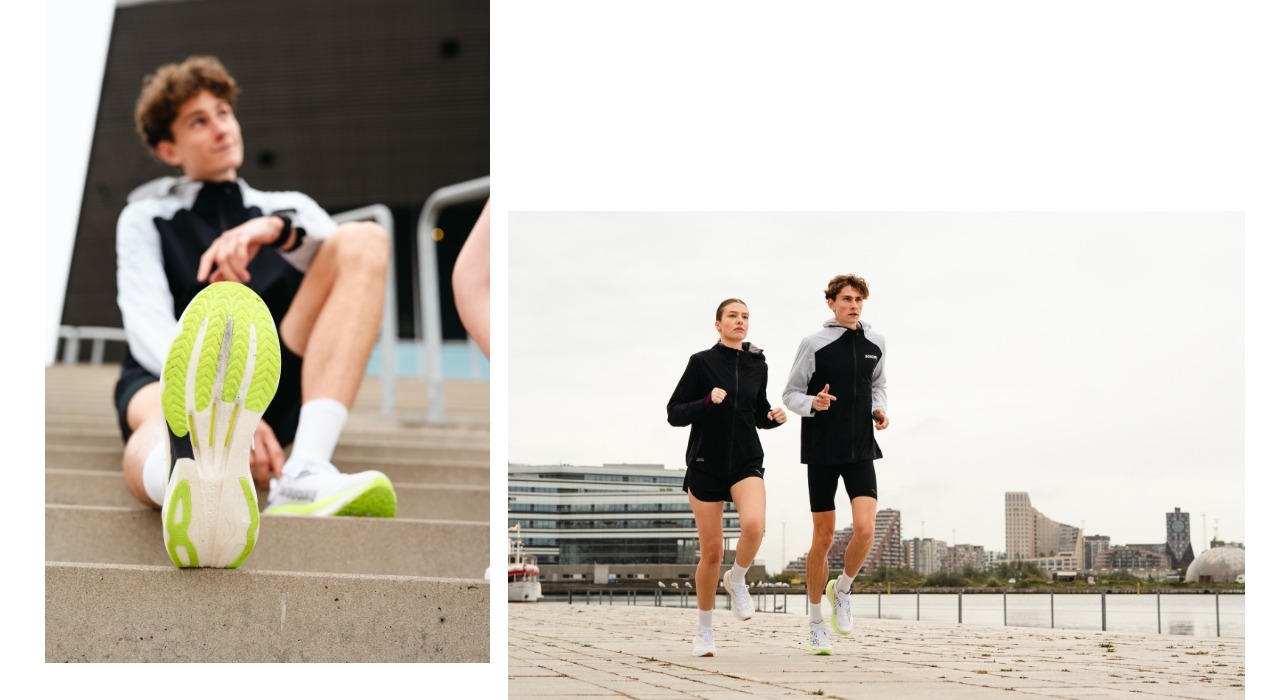
In a firmer shoe, I find that the foot quickly finds a solid spot under it to push off from. It gives a feeling of speed.
And that's a factor the Endorphin series has struggled with before. The earlier shoes tended to overdo comfort, if you ask me. This resulted in a series of incredibly balanced shoes.
But with the newly arrived Endorphin Azura, balance is no longer something a shoe with Speed in the name has to consider as much. Azura is And this gives Saucony freer rein to give Endorphin Speed the speed the shoe deserves.
A plate that also works at a calm pace
The foam is, as mentioned, a key point, but Saucony has also redesigned the nylon plate in the midsole, which should help even more in takeoff. I think one of the series' greatest strengths is that the plate has never felt limiting. By that, I mean that when a shoe has a plate, it will often feel a bit awkward at a calm pace.
Endorphin Speed, with its balanced focus, has always worked well at a calm pace. And despite the increased focus on speed, the shoe still has the quality that it can be used for warm-up and cool-down before and after intervals if you're limited to one pair of shoes.
For those who want to try tempo shoes for the first time, Endorphin Speed remains a safe choice.
Upper and outsole – can we soon get both?
Normally, I would write a section about each component of the shoe. But in this case, there's actually a point in combining the two.
Because when the midsole on Endorphin Speed hits so accurately year after year, you'd think Saucony spent their time developing the other things. But here, I'm actually a bit after Saucony. The upper and outsole have been largely unchanged through several generations. Again, no criticism when the starting point is as it is.
But this year, I can for the first time happily report an updated upper. The old one didn't really fail, but it also didn't scream speed from any rooftops.
Previous models' engineered mesh uppers are a safe choice, but they would have looked wrong this year. The mesh upper suited the balanced shoe. Now it's speed. The new, lighter upper distinguishes the shoe significantly from Azura and really emphasizes that we have two fast shoes, which, however, differ from each other in other ways than the plate.
The upper is perforated and made of rigid threads, which really manage to lock the foot in place. The holes allow airflow and ensure breathability. I love that the midsole, which has received so much praise, now has an upper that matches the energy.
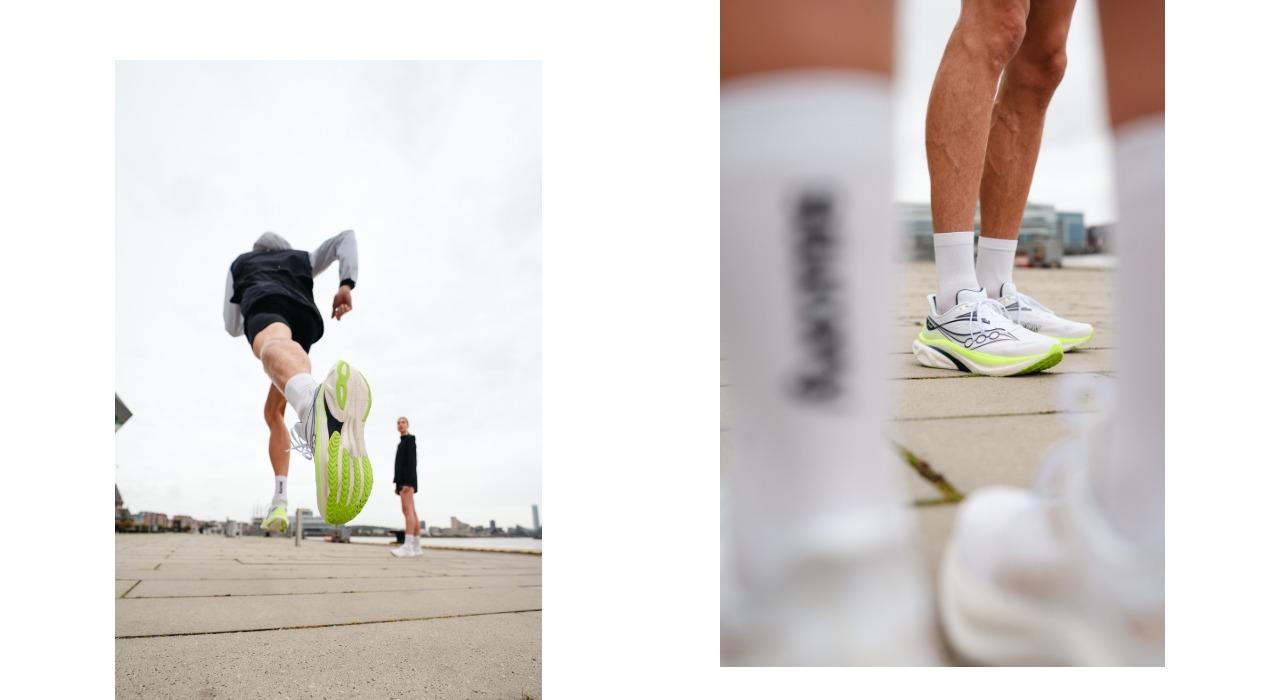
And that brings me to the second point in this section: the outsole. For this worked fine again when balance was the focus. It stepped into the background and didn't try to be something it's not.
But now that we have a shoe that actually manages to move both upper and midsole in the same direction to a suitable degree, it stands out that the outsole is the same. An outsole, which unfortunately is very basic. Here I have a small wish that it also gets an update in a possible upcoming generation.
It doesn't really come into play 90% of the time. But when it's a shoe I want to use so often, the last 10% still becomes a part. Specifically, the outsole feels a bit slippery in the rain, or if you're speeding in turns. If the rubber was just a bit softer, I think the problem would be solved.
It's a small thing, and for many, it won't be a relevant criticism. You can just slow down.
Who is Endorphin Speed 6 made for?
Saucony has managed to create more speed than they previously had in the series, without compromising on another of the series' key points: comfort.
The extra speed was necessary this year to distinguish the shoe from Endorphin Azura, which despite the lack of a plate is close to what we previously associated Endorphin Speed with. The separation has given a clearer focus to the shoe, which can do it all.
Endorphin Speed is both for those with no experience with shoes with a plate and for those who run double threshold. The shoe is still a do-it-all shoe. This year, it's just better at it.
More from Saucony
You can find all our running shoes from Saucony Running apparel from Saucony can be found