
Running Style Analysis
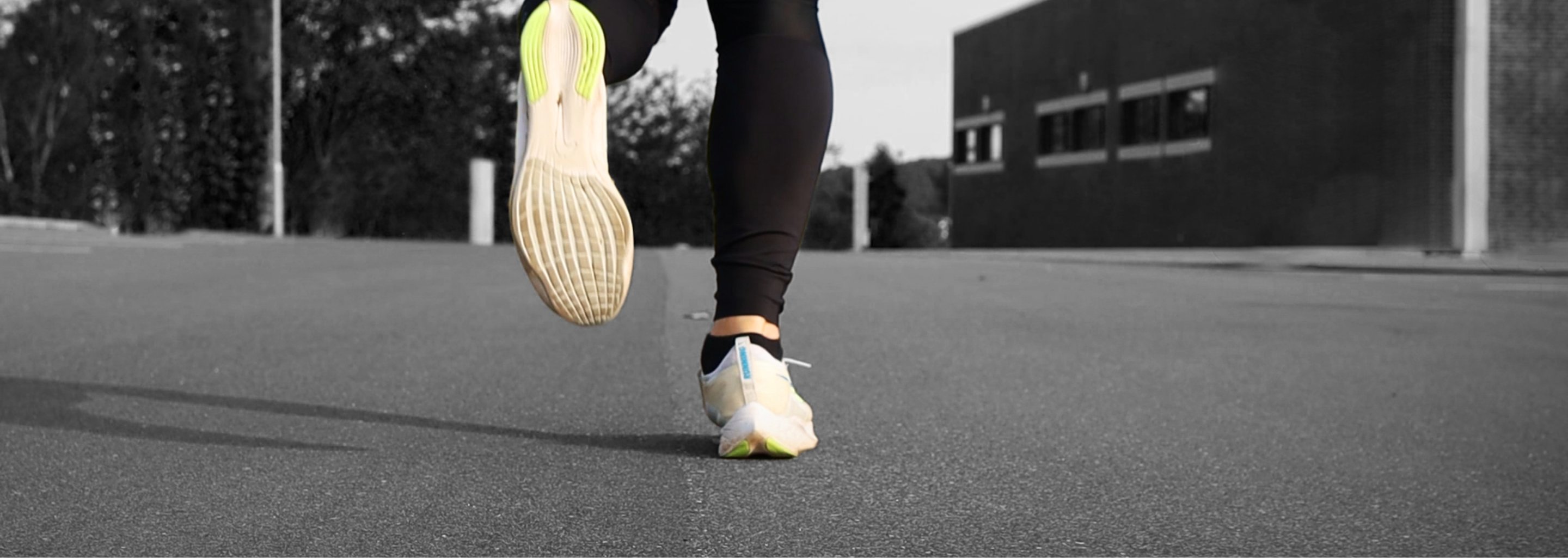
Perhaps you once had a "running style analysis" with your ankle filmed from behind while running?
In many running stores, this has been common practice for years. The purpose of the video was to observe how your ankle moves when you run, specifically during the landing phase. Primarily, they look at whether you "pronate" or not, and choose running shoes based on that. However, several studies indicate that this isn't the most optimal approach to choosing running shoes. We will return to this. But first, let's explain the term "pronation."
What is Pronation?
is a movement that occurs in the foot/ankle during walking and running. It is not a disease, nor is it inherently bad, which many (I believe) mistakenly think.
is the combined (and really quite complex) movement that occurs when eversion, abduction, and dorsiflexion happen simultaneously in the ankle joint. Apologies for the technical terms, but it is the most accurate explanation.
In layman's terms, pronation is the movement where the ankle "falls inward" or "rolls inward" during running. Perhaps you've heard of it?
Here you can see a video that shows the pronation movement:
When you run and your foot strikes the ground, the ground is affected by a certain force, and the ground affects the foot (and the rest of the body) with an equally large but opposite force. The body must try to "absorb" this force, and it does so with the help of muscles, tendons, bones, and ligaments. The muscles and tendons working over the ankle, knee, and hip joints take the largest part of the load. Therefore, it is natural that these structures are often prone to injuries.
The pronation movement in the ankle is a completely natural part of the body's "shock absorption chain", just like the bending of the knee and hip.
Does Pronation Cause Injuries in Running?
One argument you might have encountered when having a running style analysis is that if you "overpronate," you need a stable pronation running shoe, or else you increase the risk of injury.
This myth is now completely debunked by researchers behind the latest and most comprehensive study on the subject. An American research group reviewed all scientific studies addressing the relationship between running shoes and running injuries, and they point out the following:
They go even further and conclude:
In summary, the researchers have the following recommendation:
How to Choose Your Next Shoe?
According to the review study, there's not much to argue about. When choosing shoes, the most important thing is that the shoe is comfortable and as light as possible (while still providing the comfort you desire).
Furthermore, it is recommended to first explore options within , as shoes with pronation control cannot be recommended generally!
Have You Always Run in Pronation Shoes?
A supports differently than a neutral shoe, which means switching to a neutral shoe will result in some muscles working harder than they are used to. There's nothing inherently wrong with that, but it means there's a real risk that these muscles aren't as strong as your other "running muscles."
This doesn't mean you can't run in neutral shoes - but it suggests that it's probably a good idea to introduce the neutral shoe in small doses and gradually increase the amount. This way, you give any "weaker muscles" a chance to keep up, which should reduce the risk of an overuse injury.
Summary of Tips for Choosing Running Shoes
With the above in mind, here are 2 good tips when choosing :
- Proceed cautiously and increase the amount gradually in your new shoes - listen to your body!
- Choose a shoe that is comfortable, lightweight, and with as little as possible.
References
- Agresta C, Giacomazzi C, Harrast M, Zendler J., Running Injury Paradigms and Their Influence on Footwear Design Features and Runner Assessment Methods: A Focused Review to Advance Evidence-Based Practice for Running Medicine Clinicians, (2022)
- Menéndez C, Batalla L, Prieto A, Rodríguez MÁ, Crespo I, Olmedillas H., Medial Tibial Stress Syndrome in Novice and Recreational Runners: A Systematic Review, (2020)
- Nigg BM, Baltich J, Hoerzer S, Enders H., Running shoes and running injuries: mythbusting and a proposal for two new paradigms: 'preferred movement path' and 'comfort filter', (2015)