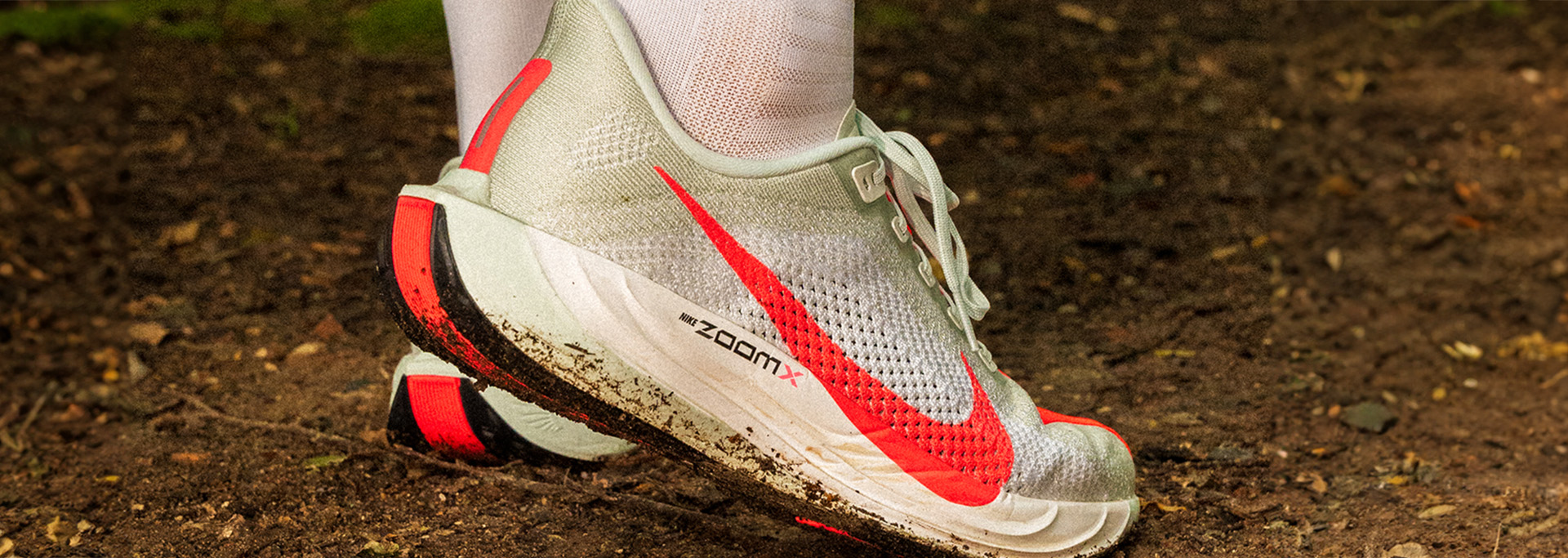

In 2018, Nike launched a new line of shoes called Pegasus Turbo. These shoes were, for their time, incredibly fast due to Nike's ZoomX foam material. However, they were quickly surpassed by even faster shoes, Vaporfly, released the same year, which combined the foam material with a carbon plate.
Since then, responsive foam and carbon plates have dominated the so-called race shoes. But this year, Nike is betting again on the Pegasus Turbo series. There's still no carbon plate in the midsole. Instead, Nike Pegasus Plus prioritizes comfort and durability, making it an interesting shoe that sits between heavy mileage trainers and fragile race shoes.
Read the article to learn about who Pegasus Turbo Plus is aimed at. It's more than you might expect.
Pegasus Plus - Race or comfort?
The new Pegasus Plus uses Nike's lightest and most energy-returning foam material, ZoomX, throughout the midsole. This is one of the changes from Pegasus Turbo 2, where a layer of the firmer foam material React was found under the ZoomX material.
The shoe is thus softer than its predecessors, which increases the shoe's comfort. But it also slightly reduces the shoe's speed. Because the very soft midsole can, even though the ZoomX material itself is energy-returning, feel a bit 'spongy'.
Comparing Pegasus Plus with Nike's fastest running shoes like Alphafly and Vaporfly, which also have ZoomX midsoles, there is one major difference in the midsoles: Pegasus Plus' midsole has no carbon plate.
The omission of the carbon plate gives the shoe the 'spongy' feeling. In the aforementioned shoes, the soft midsole is stiffened by the carbon plate, which gives the shoes an extra 'energy pop', which is absent in Pegasus Plus.
If you're used to the extra 'energy pop', as a runner you'll notice the extra effort needed. But once you get used to shoes without a carbon plate, the 'pop' will seem more prominent.
However, the midsole is really comfortable. I had my doubts about using the shoes in the woods, recalling the relatively flat Pegasus Turbo 2. I primarily used it on asphalt, as I felt rocks and irregularities on gravel paths quite clearly through the sole.
Pegasus Plus' midsole has become a bit higher and wider than its predecessors. The extra height made it possible for me to use the shoe in the woods without my feet suffering. Also, Nike has equipped the shoe with the same comfortable insole found in their mileage trainers.
The shoe's drop is 10 mm.
Pegasus Turbo Plus - New upper disguised in old clothes

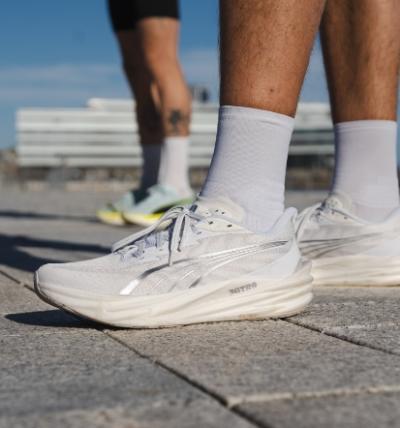
Although the upper's color design matches one of the original Pegasus Turbo colors, the Pegasus Turbo Plus upper is a completely different type than its predecessors.
I am initially more confident in the new woven Flyknit construction than in the previous model's upper. With my worn-out Pegasus Turbo 2, the upper came loose from the midsole after a few hundred kilometers. The new upper seems more robust.
The extra materials used for the upper also provide good comfort, most noticeable when comparing the Turbo 2 and Plus heel caps. The old Turbo 2 had a very minimalist heel cap, which is more reminiscent of the heel caps on Nike's fast Alphafly and Vaporfly series than the one used by Plus. Here we have a softer heel cap, which admittedly increases the shoe's weight, but also its comfort. This is a huge advantage for a shoe intended for warming up, intervals, and jogging.
Thus, there is a picture of the Pegasus Plus series, placing itself between Nike's volume trainers and racing shoes, taking a step towards comfortable and durable volume trainers and sacrificing some speed and lightness.
When I first stepped into the shoe, I felt it fit snugly around my foot, especially around the toes.
After a few kilometers, I no longer noticed it, and I have been able to run long distances in the shoes without problems.
It seemed that the shoe quickly adapted where I needed width. This is one of the advantages of the very forgiving Flyknit material the upper is made of. The woven construction also allows the shoe to have holes in the upper, which keeps the weight down while increasing breathability.
Pegasus Plus features exposed ZoomX foam but offers good grip

The Pegasus Plus outsole covers a large area of the midsole. However, there is a relatively large area uncovered, leaving the vulnerable ZoomX material exposed on both the inner and outer sides, raising some concerns about the midsole's lifespan.
However, significantly more is used than on Nike's fastest models.
The large area that is covered, on the other hand, provides good grip. A detail that is underestimated in shoes trying to be as versatile as Pegasus Plus attempts.
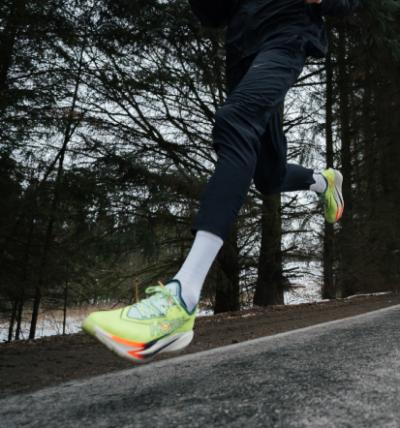
I have used the shoes at relatively high speeds both in the forest and on the track, and I stood firm in both places. The outsole let me push through uphill in the forests and on the track's soft surface, while I could maintain speed downhill.hills in the forests.
A versatile tempo shoe without the ”pop” - Pegasus Plus
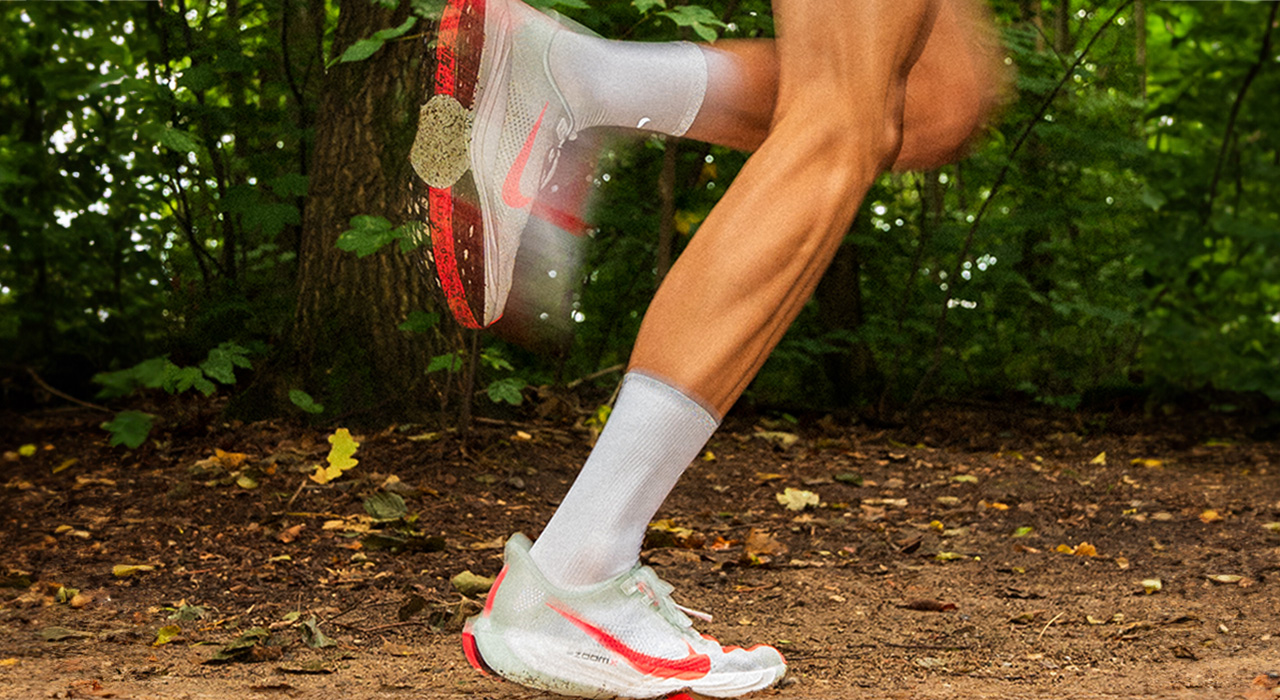
Nike's Pegasus Turbo series is back. The new Pegasus Plus sacrifices the lightness of previous models, as it does not, or should not, compete with top models like Alphafly and Vaporfly.
The shoe's midsole is made of Nike's lightest and most energy-returning foam material, making the shoes faster than mass training shoes like the traditional Pegasus 41 and Vomero. If one has a mass training shoe, the Pegasus Turbo Plus is an excellent addition to your running shoe wardrobe, as it offers more speed at an affordable price, compared to top models like Vaporfly.
However, you miss out on the ”energy pop” found in top models with a carbon plate.
The Turbo Plus' prioritization of outsole and a more robust upper, makes the shoe relevant for runners looking for a tempo running shoe, where comfort is still considered.
Didn't find a favorite?
See the full range of running shoes here: