


7 tips for running training on your vacation
- Train in the morning to avoid the heat
- Remember sunscreen, sunglasses, and hat
- Explore the local area
- Rinse your clothes after each training
- Wear compression socks during travel
- Running shoes are for running
- Quick packing list
Training in heat
If your vacation takes you to southern climates, it often gets very hot during the day. In most places in Southern Europe, temperatures quickly rise to 28-35 degrees. It's not optimal to run or train in such high temperatures, as it puts extra pressure on the body's ability to cool itself down.
When training in hot conditions, the body's circulation uses more energy to pump blood around to cool the body. The excess heat is sent to the skin, where it evaporates as sweat. In the heat, the body works overtime to regulate body temperature, making training feel significantly harder.
When training in environments over 22 degrees, and thus sweating more, you need to be aware of your fluid and salt balance. If you train for less than 1 hour and are sufficiently hydrated before starting, it's not strictly necessary to add fluids during. However, fluid intake during training can enhance performance and increase the feeling of well-being. If you train for less than 30 minutes, it doesn't matter if you drink during - as long as you are sufficiently hydrated beforehand and remember to drink afterward.
For longer training sessions, we strongly recommend bringing fluids and possibly energy to reduce the risk of running out of energy. At runningxpert.com, you can find both bottles and other drinking accessories to bring fluids on your run, as well as energy products for tough training sessions.
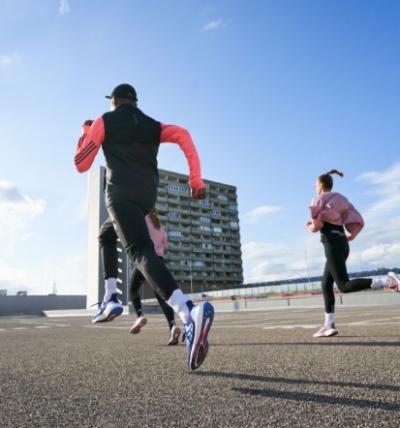
To avoid stressing the body too much, it's a really good idea to train or run early in the morning. The temperature is much lower, allowing you to avoid overheating and dehydration more easily. Take a quick run before the family gets up, so you can enjoy the rest of the day with a clear conscience.
Remember sunscreen, sunglasses, and hat
Remember sunscreen, sunglasses, and sun hat when training during the day. Even though the sun in the south may not always seem sharp and strong, the Cancer Society recommends using waterproof sunscreen with SPF 15, which protects against both UVA and UVB rays. The time you can safely be outdoors without protection depends on your skin type and the season. Sunscreen should be used where shade and clothing do not cover. Running apparel manufacturers are also aware of the sun's harmful rays. They have started making T-shirts and tights from materials that protect against both UVA and UVB rays.
Besides sunscreen, a running hat or cap is also an indispensable product in the summer heat. The hat protects against the sun, provides shade, and keeps sweat away from the face.
However, it's equally important to protect your eyes from the sun's harmful UV rays. A good pair of sports glasses protects both the eyes from UV rays and insects or similar, and you avoid squinting, which can lead to headaches.
Explore the local area
If you're not familiar with your travel destination, it can be a good idea to get an overview of the local area before heading out on training runs. In some places, it's easier and faster to run laps on a short route, so you don't get too far from your accommodation or hotel. Alternatively, you can run an "out-and-back" route to avoid getting lost.
If you're the explorer type with a good sense of direction, just head out and see where the roads lead. With running shoes on, you often experience the local area in a whole new way. If you want the assurance of easily finding your way back, you can also use your GPS watch as a guide. Many advanced GPS watches, like , have a "Track Back" function, so you can always be guided back to your starting point - it's super smart and allows you to run freely without worrying about remembering the route.
Rinse clothes after each training
One of the big problems with packing for a vacation is that there's always too little space in the suitcases. Your sportswear or running clothes don't need to take up THAT much space in the suitcase. You can easily reuse sportswear over a week or 14 days, but remember to rinse the clothes in clean water after each training. This removes the worst sweat and salt particles that settle in the clothes. Hang the clothes in a dry place outside during the day - and you're ready for another training session the next day or later in the week.
Compression socks on the plane
If you're going on long flights, you can benefit from wearing your long compression socks during the journey. The compressive effect in the sock makes it easier for your muscles and blood vessels to remove excess fluid in the legs. Fluid that would otherwise press unfavorably on the blood vessels. Fluid buildup in the legs often occurs because you sit or stand for many hours. By using compression socks during travel, you can reduce the risk of fatigue and the formation of varicose veins in the legs. This way, you'll feel more refreshed - and ready to enjoy the vacation without heavy legs from the journey.

Running shoes are not for hiking or other sports
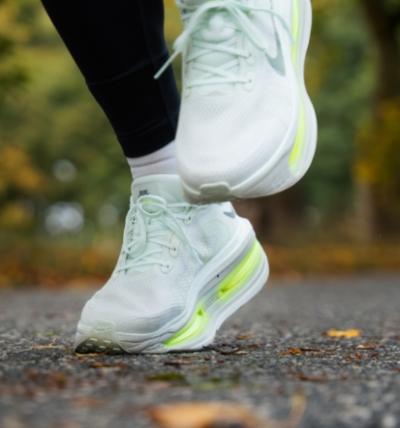
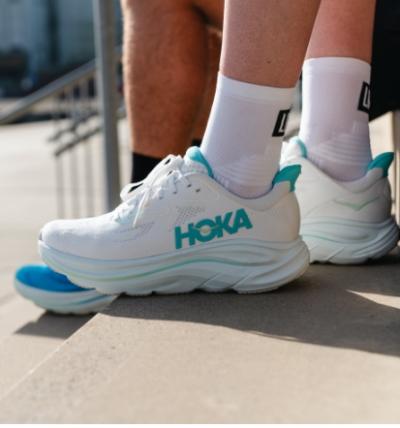
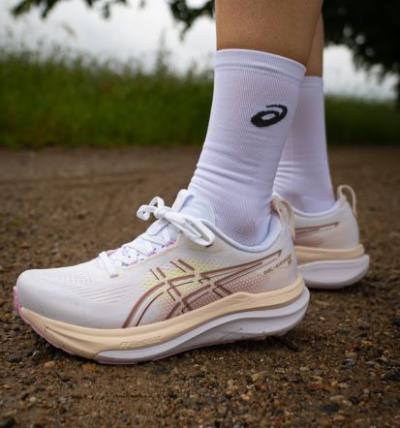
and casual shoes look very similar today, but there's a world of difference in their durability and what they're designed for. If you bring your running shoes on vacation, we recommend using them ONLY for running, unless they're an old pair that you plan to discard. Running shoes are not designed as walking or hiking shoes. The midsole in running shoes is designed to absorb the shock from foot strikes and then rebound, so it can absorb shock again on the next step. Walking around in running shoes all day won't allow the foam sole to rebound - leading to extra wear on the shoe's cushioning. If you plan to hike, we recommend choosing proper hiking or walking shoes instead.
A running shoe is also not suitable for sports like tennis or indoor use, where there are many directional changes. Running shoes are only designed to be stable when moving forward, increasing the risk of twisting your ankle if used for sports with many directional changes. The sole may also risk tearing or coming apart at the seams with many strong lateral impacts.
The quick packing list for the runner
- for women
- and
- Sunscreen and
- Possibly and charger
With this small pack, you're quickly ready to enjoy a few runs during your holiday. Remember to drink plenty of water after training and enjoy the holiday, as this is when you recharge!
Have a great summer holiday!