



Asthma on the run
For me, asthma is closely linked to allergies, pollen, and physical activity.
I'm nearly 50 and have severe asthma. Without treatment, running would be extremely difficult. Today, I receive biological treatment and various asthma medications, closely monitored by lung specialists. I'm also a multi-allergic, so pollen and other allergens are present year-round.
Movement and sports have always been vital to my life. Therefore, it's important for me to keep running and training as a natural part of daily life, even though asthma sometimes makes it more challenging.
Some days, asthma is less noticeable. Other days, I feel it at the start of a session, where breathing needs to find its rhythm. Especially on days with high pollen, when the cold bites harder in the chest than usual, or on hills where breathing, not legs, is the focus.
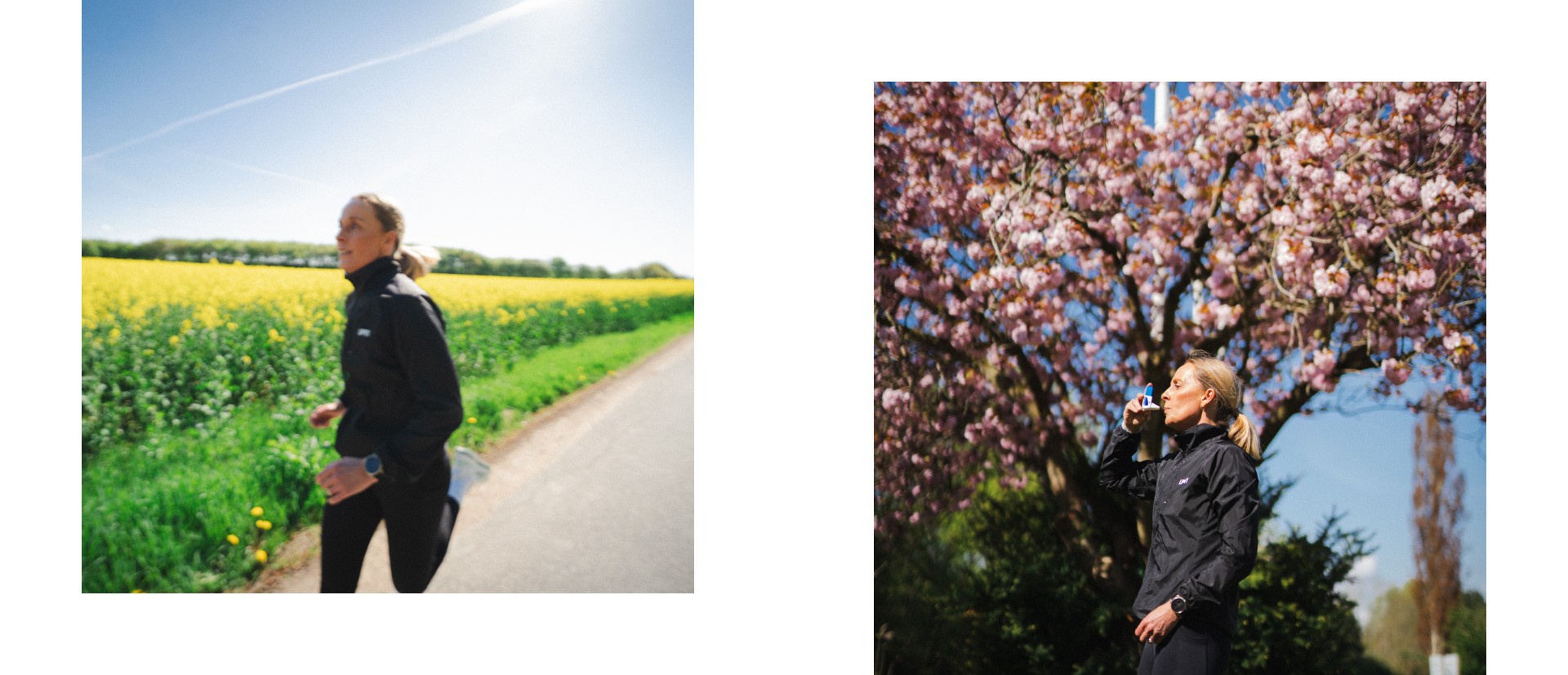
I almost always run with my asthma inhaler. Not because I need it every time, but because it provides comfort knowing it's there.
Over the years, I've learned that running and asthma don't necessarily exclude each other. In fact, at 48, I ran my fastest ever. Not because asthma disappeared, but because I'm well-treated and have found a training method that works.
It doesn't remove challenges, but it has allowed me to continue developing as a runner. Running hasn't become a way to ignore my asthma. Instead, it's a crucial part of making my body function as well as possible daily.
Finding a rhythm with asthma
For many asthmatics, it's not about chasing personal records or specific times. It's more about finding a way to move that fits into daily life.
That doesn't mean ambitions or goals have to disappear. Specific races, distances, or times can still be goals. But continuity, good routines, and the feeling of keeping the body active can also be primary.
Regular movement is generally recommended for people with asthma because it can improve fitness and help the body handle physical stress daily. It doesn't always have to be running. Sometimes, walking, cycling, or works better. The most important thing is often not the form of exercise but finding something sustainable daily.
Personally, I find running special. Not just as exercise, but also as rhythm, mental space, and the feeling of moving forward, even on days when the body needs more care.
Running can start with walks or short between walking and running. Easy runs with even intensity work well because the body gradually adapts to the load, and breathing has a better chance to settle.
A good warm-up makes a big difference. The start of the run is often the hardest part before breathing finds more calm. Once the body adjusts to increased ventilation, the rest of the run can feel easier.
Controlled intervals work well as long as intensity is managed, focusing on calm breathing between efforts.
Pace is rarely the most important. The key is that breathing doesn't run wild. To listen, know when to adjust, and accept that some days differ from others.

Why breathing can be the limit
When you run, the body's need for oxygen rises quickly. Breathing becomes deeper and faster, and many automatically switch to breathing more through the mouth. This means the air isn't warmed and humidified the same way as when breathing calmly through the nose.
For people with asthma, this can irritate the airways. They react more sensitively to influences like cold air, dry air, pollen, or physical stress. The airways constrict and become more irritated or inflamed, making it harder for air to pass freely.
Breathing becomes the limiting factor before the rest of the body is truly challenged.
Some experience coughing, wheezing, or chest tightness. Others mostly feel heaviness in breathing or the sensation of not getting enough air. Symptoms often appear at the start of the run or at high intensity.
Asthma is also felt socially during runs. Even at low intensity, it can be hard to hold a conversation because breathing quickly demands more attention.
Increased mucus production can be part of the picture. When airways are irritated, some people's bodies produce more mucus, leading to coughing, throat clearing, or feeling something in the airways during exercise.
This is where frustration arises. Not because the legs are done, but because breathing sets the limit first.
It's important to understand that this doesn't automatically mean running is wrong for you. With the right treatment and training adjustments, many experience significantly better symptom control.

The mental side of running with asthma
But even with good treatment, there's a mental side to running with asthma that doesn't disappear on its own.
Comparisons with other runners are easy when breathing feels like the first limitation. I often have runs where I feel others around me move more effortlessly forward while I work harder to maintain rhythm. Not because my legs lack energy, but because my airways react differently under stress.
Sometimes, I become very aware of my own breathing and how noticeable it feels around me. It can be frustrating, and it can require mental energy not to let it distract from the run itself.
The mental aspect isn't just about the run but also about the relationship with the body. Accepting that some days feel easier than others and that progress doesn't always look linear.
Asthma also motivates me to run. Running doesn't remove asthma, but I feel my body generally functions better when I stay active.
Periods when asthma is more prominent
Not all periods are the same.
Cold is a classic trigger for many with asthma. Cold and dry air can quickly irritate the airways, especially when intensity rises, and breathing becomes more intense. Therefore, many find winter running more challenging, even on runs where the pace is otherwise easy.
For those with allergic asthma, spring and summer months can be particularly challenging. High pollen counts mean the airways are already affected before training starts. The body reacts faster, and recovery can feel longer.
Therefore, training sometimes requires more flexibility. Sometimes it makes sense to slow down or choose indoor training over a hard run in cold or high pollen.
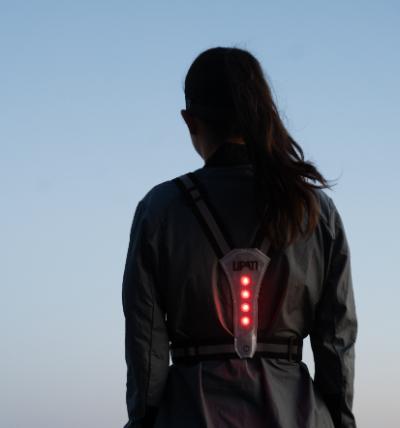
In cold weather, layering, windproof clothing, and a over the mouth and nose can also help make inhaled air less harsh on the airways. Small adjustments can make a noticeable difference.
I also quickly notice the difference if I've been sick or had a break from training. It can feel surprisingly hard to build it up again, both physically and mentally.
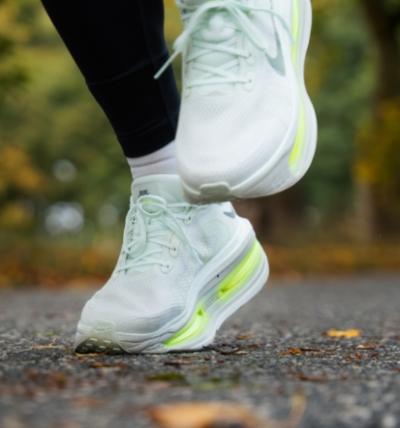
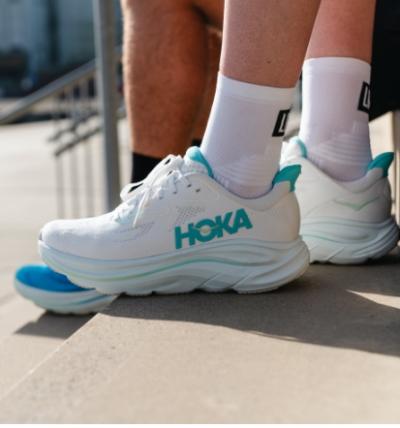
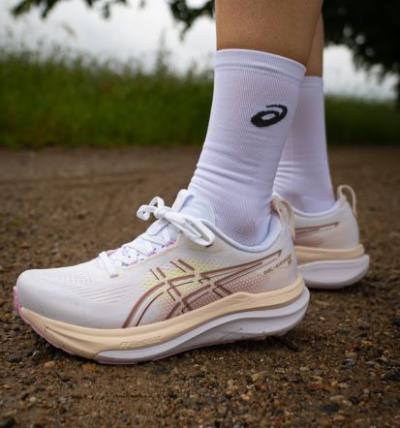
In those periods, motivation isn't always about big things. I can still be motivated by something as simple as a new pair of or the feeling of having found , making the run a bit easier. It doesn't change the asthma, but it makes it easier to get out the door - because it's often the small things that keep motivation going.
The crucial thing is that the asthma is well-treated. If the airways are already irritated or poorly controlled, the strain from running becomes significantly harder to handle.
Running should not be seen as a replacement for treatment, but as something that works best in conjunction with the treatment and guidance you receive from your doctor or lung specialist.
Running and asthma don't have to exclude each other
Asthma can be a real challenge. For some, it's a mild irritation. For others, it requires extensive treatment, planning, and constant attention.
But even when asthma is significant, running doesn't have to be excluded.
Some weeks are easier than others. For many, running can still be an important part of daily life, even when the body requires more care. And sometimes the run is easier than expected.
For me, running hasn't become less important despite the asthma. It's become more important. And the joy of running has followed.
The content of the article is based on personal experiences combined with general knowledge about asthma and physical activity. Asthma is experienced differently from person to person, and if you are unsure about treatment or training, you should always discuss it with your own doctor or specialist.