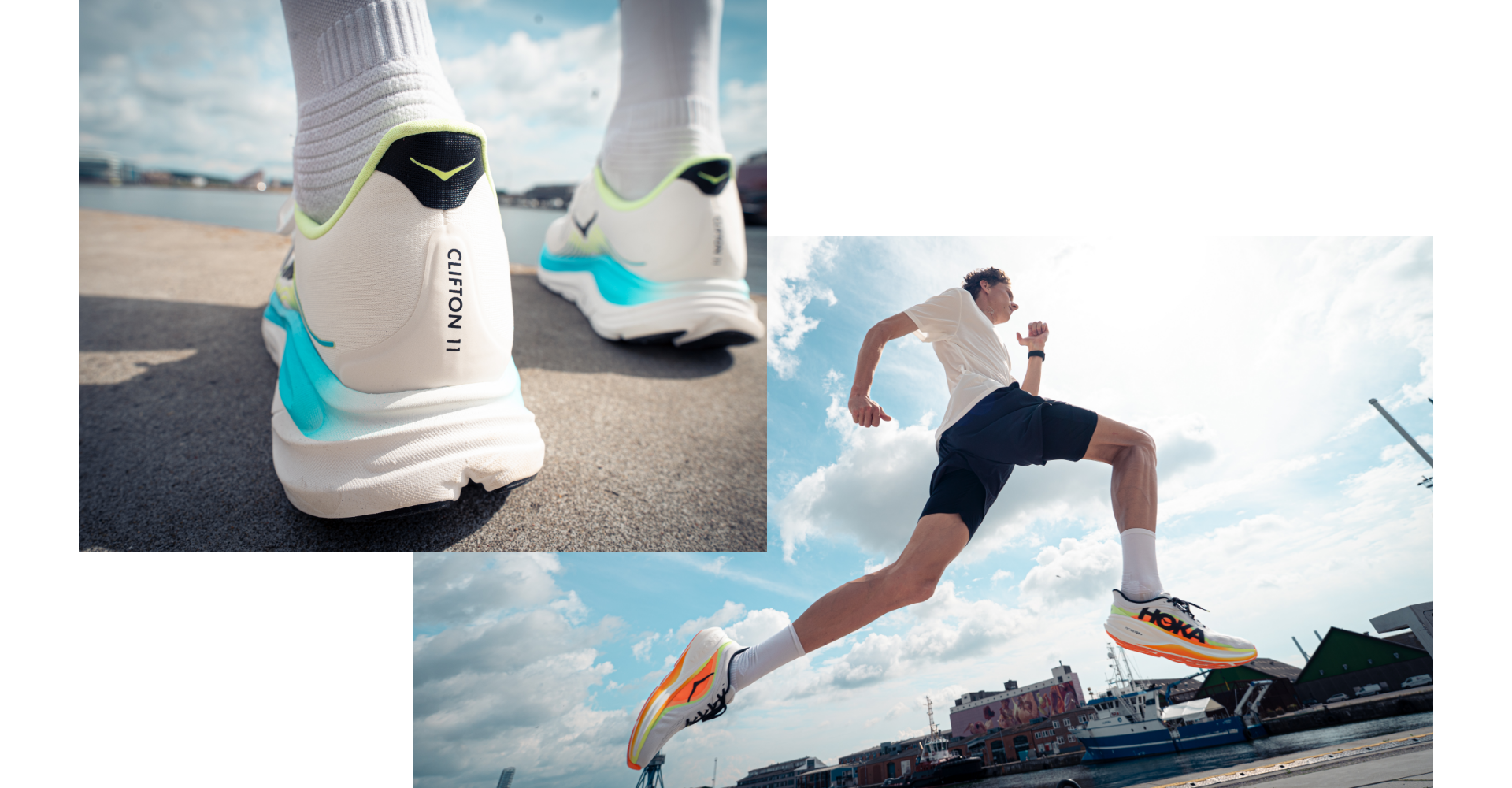



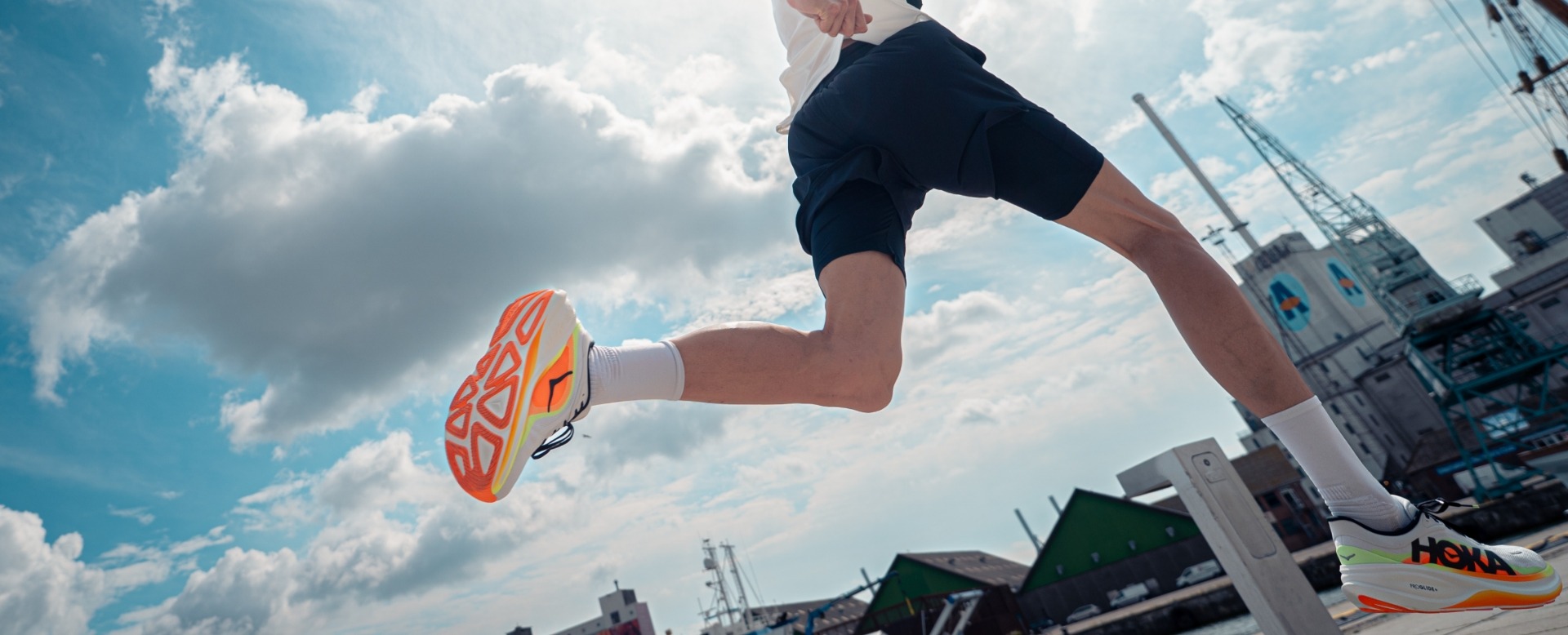
In this article, we introduce you to two new running shoes. One is Hoka's best-selling running shoe, Clifton, while the other is an upgrade of the same. The Clifton series helped redefine the industry years ago with its voluminous midsoles and rocker geometries, becoming one of the most used running shoes on the market. was – along with others (e.g., Bondi) – a precursor to the category of running shoes we now know as 'max-stack' running shoes, and this way of thinking about midsoles has permeated the industry ever since.
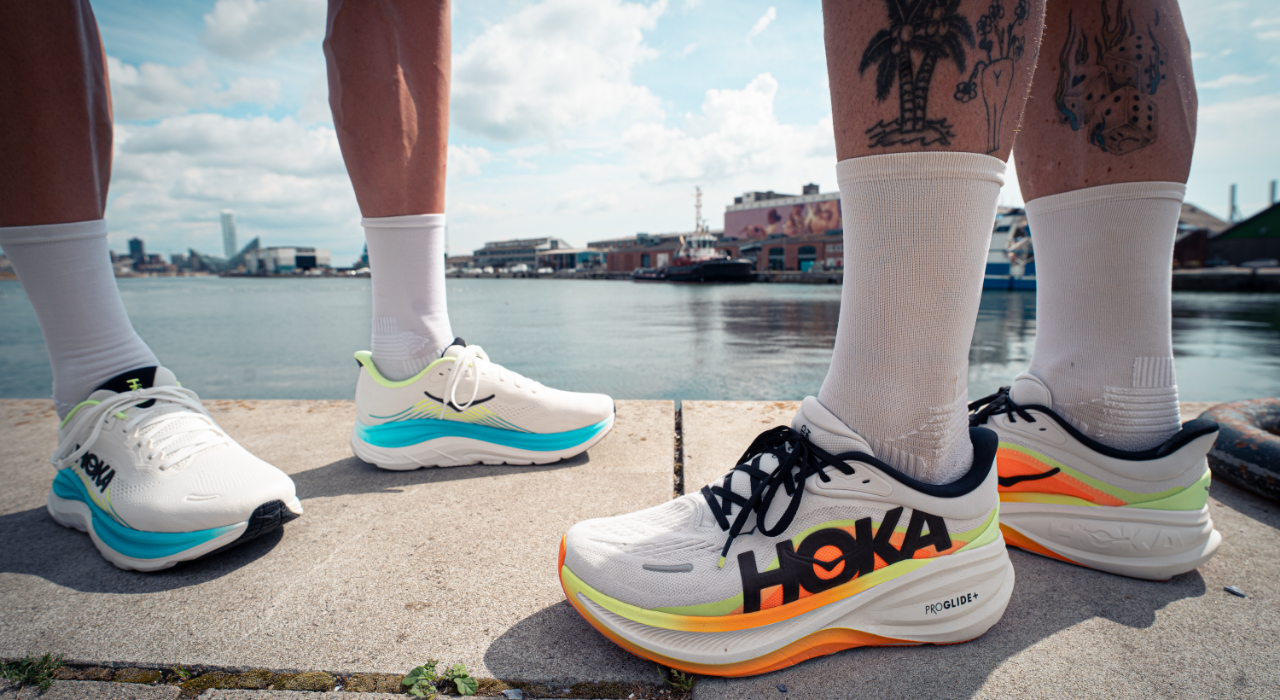
Clifton built a loyal following and made changes along the way without compromising its identity. It became the shoe you looked for if you wanted the best shock absorption in a lightweight package. It was the best for several years. As with everything else, the market, materials, and technologies evolved – fortunately – and Clifton gained many new teammates on Team Hoka over the years. Therefore, Clifton had to think carefully about what made it stand out among the many challengers from both its own team and the opposing team.
From that reflection emerges a brand new model, Clifton Pro, while has become even clearer in what it has always been: a straightforward, reliable running shoe that delivers on its promises and has a variety of use cases.
Clifton Pro, on the other hand, has been spruced up. It has taken some risks that the regular Clifton didn't need to take. Hoka has given their take on what a Clifton could also be if it wasn't what we've previously been so fond of. And I understand this maneuver! Clifton Pro comes with a more advanced upper and a midsole made of a new material, ProGlide+, crafted from supercritical EVA.
Let's move on from the history lesson and back to the present. Breathe in, breathe out x5.
Clifton 11 vs. Clifton Pro
| Specification | Clifton 11 | Clifton Pro |
|---|---|---|
| Type | Neutral daily trainer | Neutral daily trainer (performance version) |
| Weight | ~283 g (9.97 oz, men's US9) | ~298 g (10.5 oz, men's) |
| Midsole Height | 42 mm heel / 34 mm forefoot (8 mm drop) | 42 mm heel / 34 mm forefoot (8 mm drop) |
| Midsole Material | Compression-molded EVA (CMEVA) | ProGlide+ – supercritical EVA (SCEVA) |
| Outsole Material | Durabrasion rubber, partially exposed foam | Durabrasion rubber, nearly full coverage |
| Upper Material | Engineered mesh | Engineered mesh (more breathable) |
Specifications are based on men's model in standard size and may vary slightly between men's and women's versions.
As suggested in the above specifications, both shoes still target the same, but offer two very different sensations underfoot – so let's get started finding out what that precisely entails.
Hoka Clifton 11 – Subtle but Significant Changes
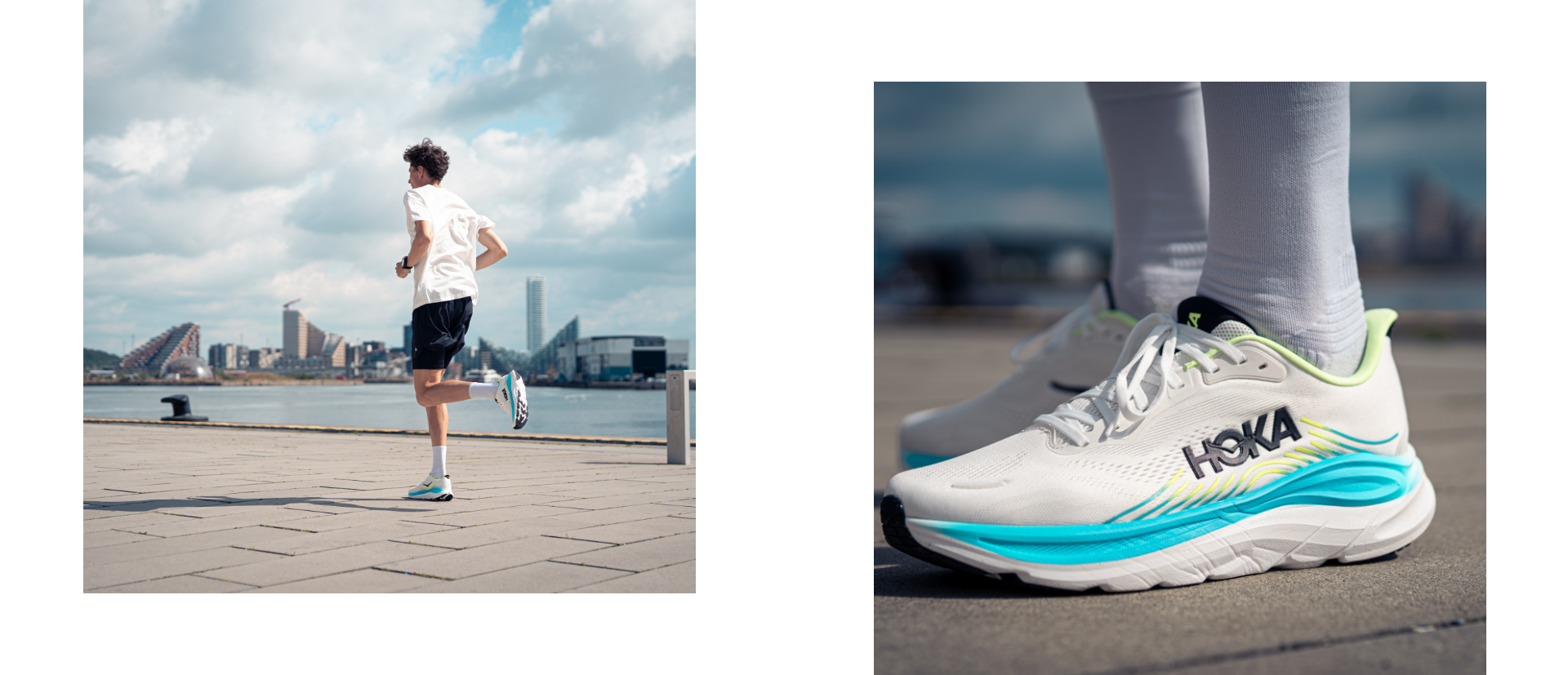
From the outside, it doesn't look like there are major changes to look forward to. It's primarily an upper upgrade, but the midsole now feels significantly different than in the previous model – even though the foam on paper is still the same.
What Hoka has done is create a bit more space in the toe box, while weaving the material around the midfoot with a bit more structure. It fit my foot really well – I felt my foot settled nicely into . Around the heel, they've removed all unnecessary padding. In Clifton 10, I thought there was almost too much, which pushed my foot forward in the shoe, not matching the slightly too roomy midfoot structure.
The midsole is still made of CMEVA, offering a traditional and reliable running experience – and that's exactly what Clifton 11 has evolved to be. Clifton should be the safe choice, the type of shoe you know exactly what you get from. The midsole is 42mm – 34mm, an 8mm heel drop, but in this version, Hoka has used a new insole that seems to have a significant impact on how the shoe as a whole is experienced. The insole is softer than before, and where I found the midsole quite stiff in Clifton 10, it feels more flexible and smooth in Clifton 11. Even whenI try to flex both version 10 and 11, I notice a significant difference.
As a neutral mileage training shoe, it works a bit better. So even though the changes on paper weren't that big, there is still a noticeable difference between the two latest Clifton models – and we've moved in the right direction!
Hoka Clifton Pro – A brand new model is always exciting!
is a shoe born from the need to modernize the regular Clifton a bit. I understand why Hoka continued with Clifton 11 in its direction – the need is still there for a traditional shoe like it. But there's also a need to show which direction Clifton could go. Hence: Clifton Pro.
Hoka Clifton Pro is a more modern version of Clifton. In the sense that the midsole is enhanced with a slightly more lively material. Welcome to ProGlide+. ProGlide+ is a supercritical EVA foam – a bouncier and more comfortable foam than the CMEVA found in Clifton 11. The midsole also measures 42mm – 34mm with an 8mm heel drop.
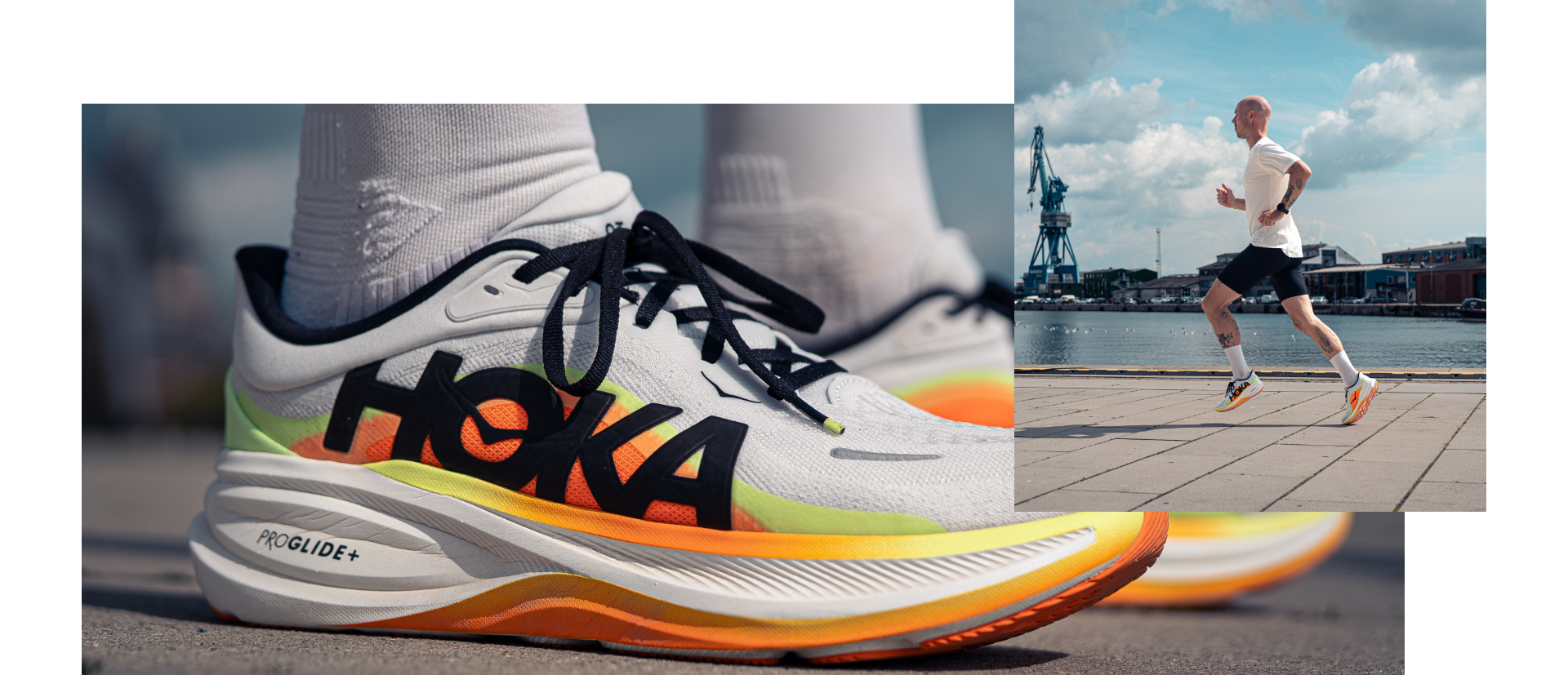
The purpose of this shoe is the same as Clifton 11: it's a neutral mileage training shoe to get you through your weekly jogs, easy miles, and long runs if you have one planned. Clifton Pro with ProGlide+ makes those runs a bit more lively – dare I say fun? ProGlide+ demands a bit more from you than the more traditional CMEVA foam, but if you can activate it, you'll get more bounce from the shoe.
The upper on is an engineered mesh – a more advanced type. It's very breathable, especially around the forefoot, while the rest of the upper offers more comfort and padding than, for example, Clifton 11. Overall, more attention to detail in Clifton Pro, but it also weighs a bit more – thus, Clifton Pro ends up being slightly heavier than Clifton 11.
The pricing of the two shoes isn't far apart, and I think that's a fair choice by Hoka, as Clifton Pro appeals to previous Clifton owners who just want a slightly more modern version of the shoe. That said, I find the naming a bit odd – it could have just been called 'Clifton +', as 'Pro' might give different associations.