
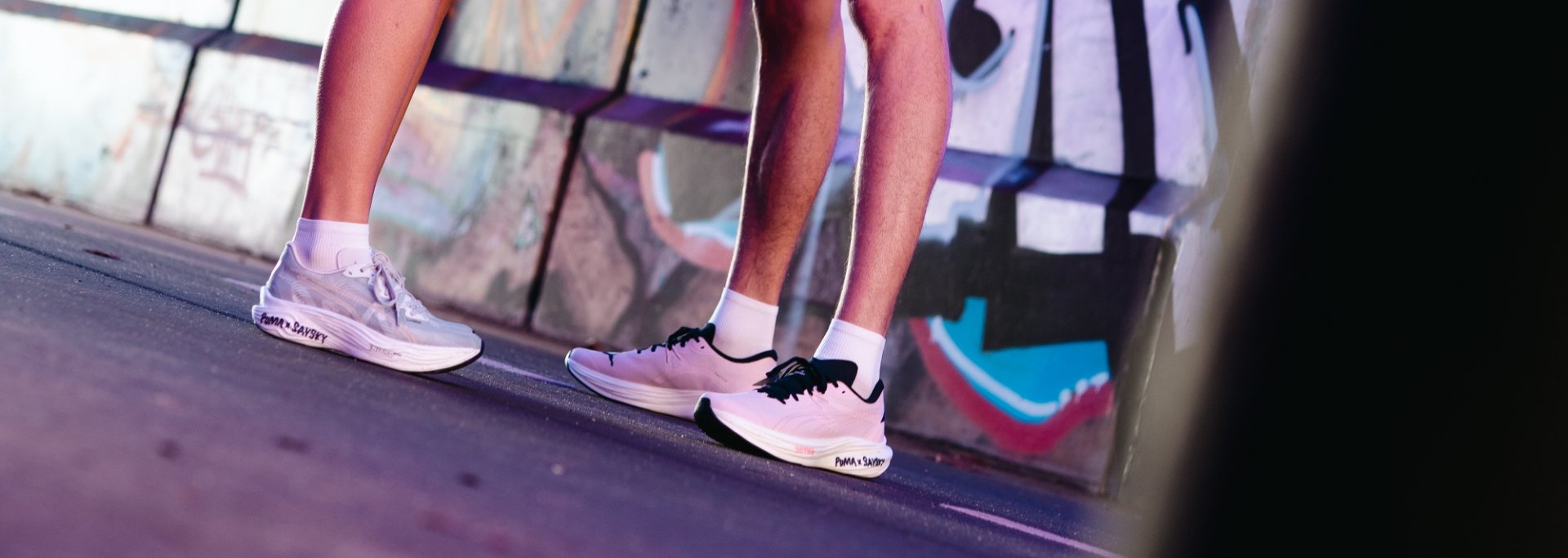

When quietly started making serious running shoes a few years ago, not many noticed. But with Deviate Nitro 3, and its more race-oriented sibling, Deviate Nitro Elite 3, there's no doubt: Puma aims for the top. The question is – which one suits you best?
I've run in both – intervals, long runs, strides, everything – and the difference isn't just about weight or foam properties. It's about feel. Personality. Purpose. And the difference between the two is more nuanced than it appears on paper.
Deviate Nitro 3 – A versatile workhorse with a taste for speed
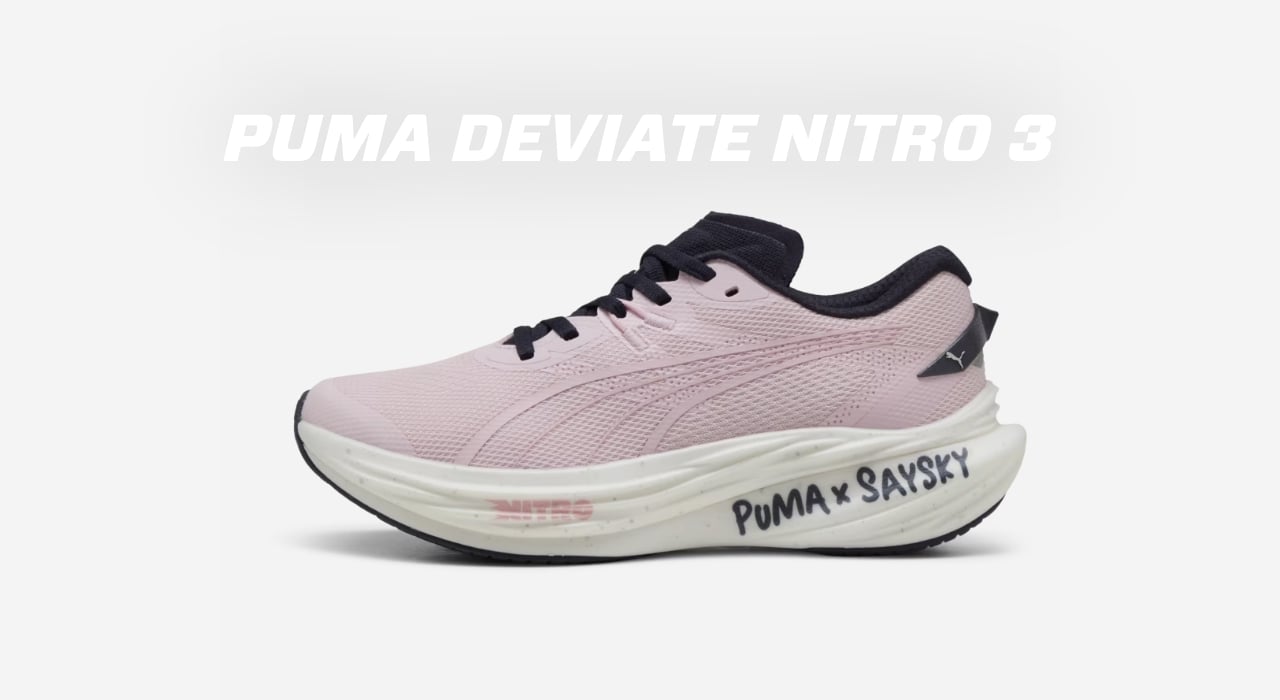
Deviate Nitro 3 doesn't shout. It's calm, balanced – a shoe you put on when you're not entirely sure what kind of run you're going for, but want to be ready for anything.
The midsole is fine-tuned. Compared to some of the more bouncy super-trainers out there, Puma's NITROFOAM™ is on the firmer side – but without feeling hard. It provides a more subdued bounce – more mattress-like and forgiving than the trampoline effect from Nitrofoam Elite. This makes it comfortable across different types of training, but I still think it works best at a moderate pace. If there was something to wish for, it would be a bit more response when the pace really picks up.
There's a carbon PWRPLATE built in, but it doesn't steal the spotlight. It's discreet and adds just enough stiffness and propulsion to lift the foam. The stability the plate contributes makes the shoe really good in turns – it keeps the foot in place and helps you move forward easily without being intrusive.
The upper? Nice, but not over-cushioned. There's a good amount of padding in the heel, increasing comfort without making the shoe heavy, and the engineered mesh strikes a good balance between breathability and lockdown. It doesn't fit as tight as Deviate Nitro Elite 3, but still feels like a shoe best suited for narrow feet. I never thought about the fit – and that's a good sign.
Underfoot, PUMAGRIP delivers as usual. It's one of the most reliable outsoles out there, and the grip works across surfaces and weather conditions. No slipping, no surprises.
After several runs, Deviate Nitro 3 feels like a stable partner. One you trust for long runs, varied sessions, and everything in between. It's not the softest, lightest, or fastest – but it finds its place in the middle and stands strong there. It's structured, stable, and more durable than its racing sister. And in a world filled with super-soft racing shoes, that can actually be a bit of a relief.
Deviate Nitro Elite 3 – Race DNA with old-school edge
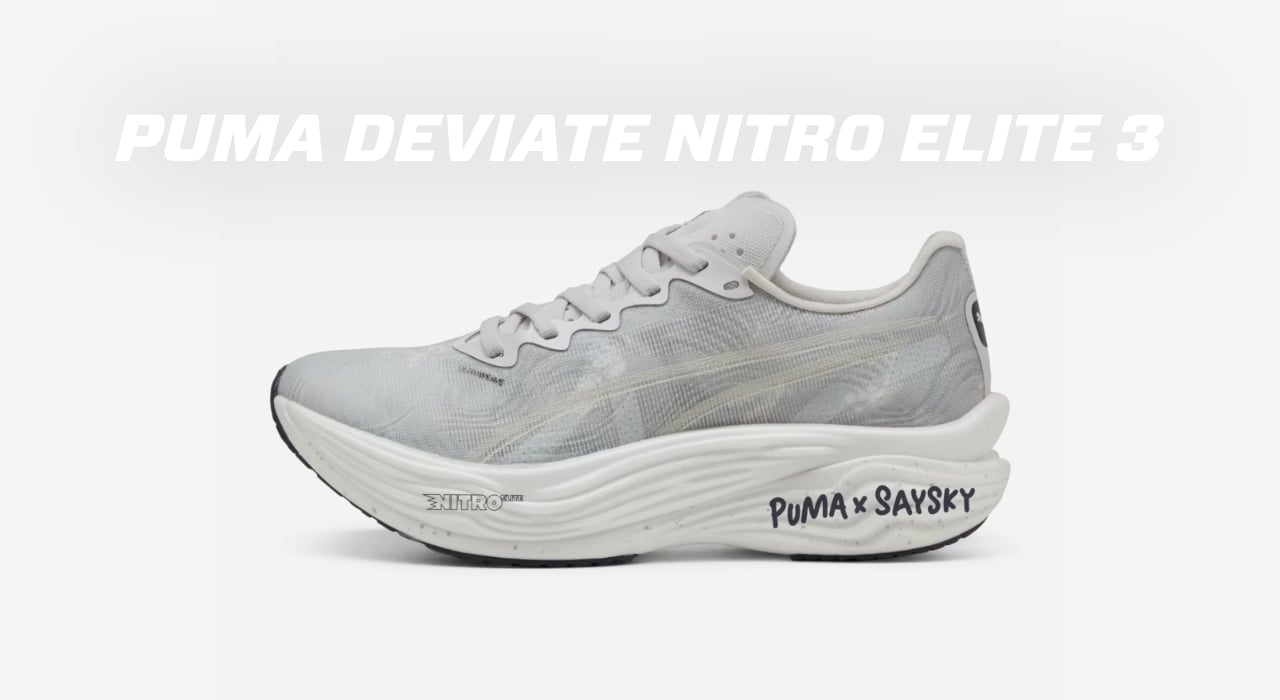
This one is different. Deviate Nitro Elite 3 doesn't try to do it all. It's targeted, scaled-down, and built for speed – and you feel it from the first step.
First and foremost: it's light. At 205 grams, it almost disappears on the foot. And it's not just a number – you feel it in cadence, efficiency, and how quickly you find your rhythm.
But don't expect a soft super shoe. NITROFOAM™ ELITE here is firmer than many others. It's extremely springy – but not soft. It only really compresses when you run fast, and when it does, the energy return is amazing. But at slower paces? It feels a bit hard. It's not made for jogs – it's made to be pushed.
Carbon PWRPLATE plays a bigger role here than in Deviate Nitro 3. Together with the firm foam, it creates a rolling sensation that really activates at race pace. The transition feels precise and fast, and the shoe maintains impressive stability – even in fast turns, which is rare in this category. It feels a bit like the classic racing shoes – just with modern, fun foam underfoot.
The ULTRAWEAVE upper is minimalist – thin, breathable, and snug. There's not much stretch, so the fit needs to be spot-on, but when it is, it fits perfectly. It doesn't adapt to the foot as easily as Nitro 3 – but for race day, it does exactly what it should: disappear.
The grip? PUMAGRIP again – and in full coverage. Many racing shoes remove rubber to save weight, but not here. The grip is solid, and there's enough rubber to handle several races – not just one or two.
How far can you run in it? It depends on you. I would run a 5K or a half marathon in it without hesitation. Marathon? Maybe. The firm feel can become tiring after 30 km for some, but elite runners have proven it can handle the distance. It's mostly about how much comfort you need when it gets tough at the end.
Which should you choose?
If you want a plated shoe that you can use for everything from training to competition – and that doesn't punish you at lower speeds – then 3 is a solid choice. It's versatile, stable, and built to last.
But if you're chasing new PRs, love the feel of a fast and responsive running shoe, and want something that rolls and grips like few other racing shoes, then 3 is the right choice. Just be aware of what you're getting into – it's not soft, but it's efficient.
Didn't find a favorite?
See the whole selection of running shoes here: