
Rain. Slush. Dewy grass.
A GTX shoe keeps water out and lets sweat escape. But which should you choose? The membrane is the same in all shoes. It's the rest of the shoe that determines if it suits your run.
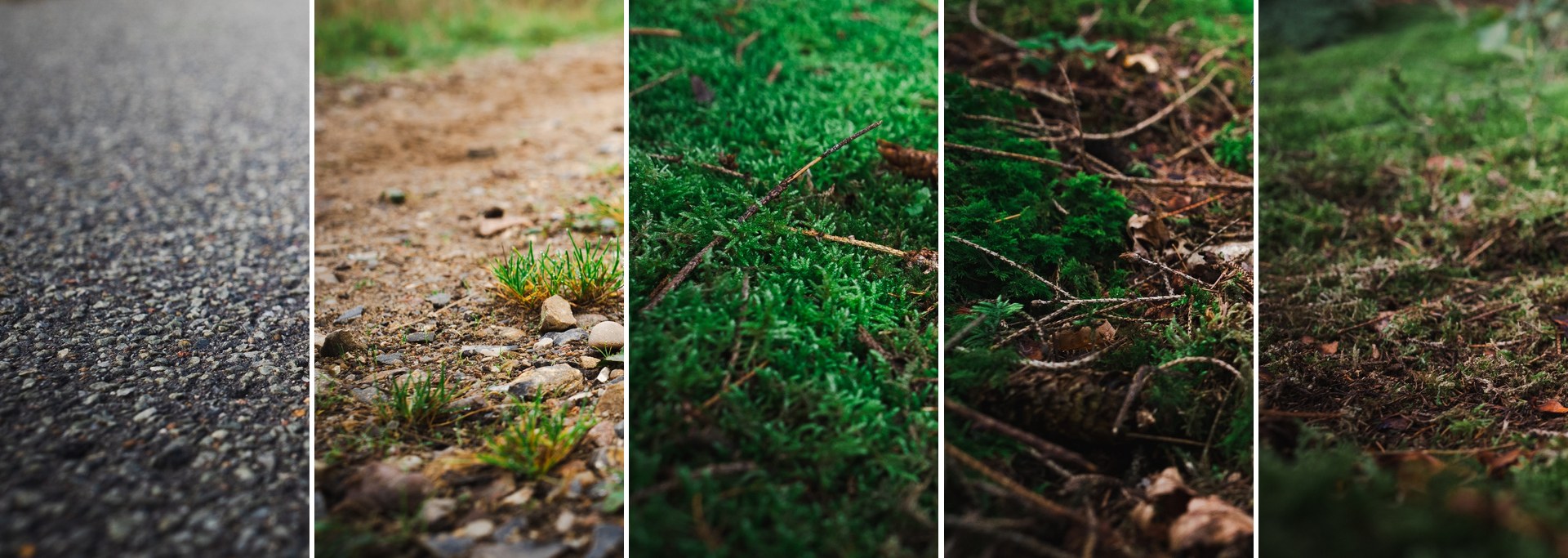
That's why we start somewhere other than price or brand: Where do you run most? We've found the best waterproof shoe for five surfaces. Find your surface, and you'll find a shoe that fits.
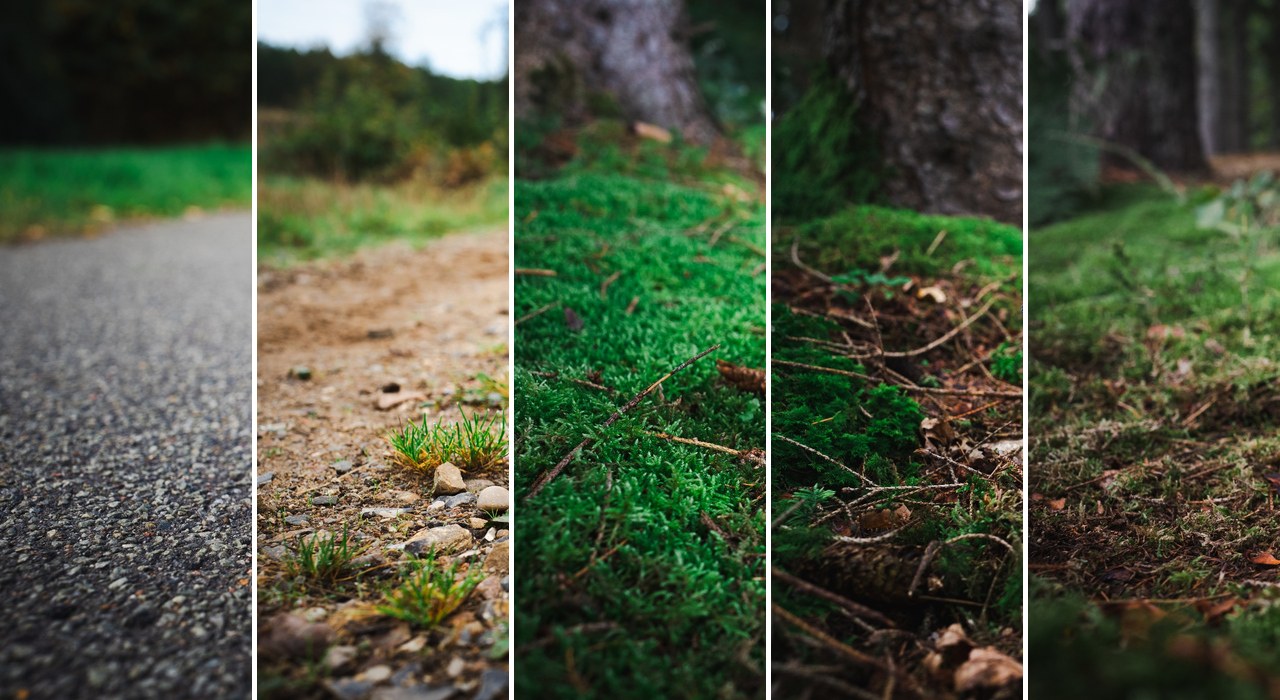
Quick Overview
| Surface | Our Choice | In Short |
|---|---|---|
| Asphalt | Saucony Triumph 24 GTX | Max cushioning for long miles in wet weather |
| Gravel | Nike ACG Pegasus Trail GTX | Calm on asphalt, secure on gravel and light trails |
| Forest Path | ASICS Trabuco 14 GTX | Versatile grip and stable fit on roots and mud |
| Trail | Altra Lone Peak 9+ GTX | Vibram grip and toe room in technical terrain |
| Hiking | HOKA Speedgoat 7 Hike GTX | Light hiking boot for long wet treks |
How We Chose
All five shoes have a GORE-TEX membrane. So, we didn't compare membranes, but everything else:
- Grip: Does the outsole pattern and rubber suit the surface?
- Cushioning: Does the shoe last the whole run, short or long?
- Fit: Does the shoe stay secure, even when the foot tires?
- Purpose: Is the shoe built for the specific run we recommend it for?
Is GTX for You?
A GTX shoe is made for wet runs. If you mostly run in warm and dry weather, do fast intervals, or cross streams above the ankle, a shoe without a membrane is often a better choice. If unsure, start with our .
Best for Asphalt
Running on asphalt is about comfort. Pavement, bike paths, and roads are hard surfaces, so cushioning must last the whole way home. The outsole must grip wet tiles and slick leaves.
Look for: good cushioning, an outsole that grips wet surfaces, and possibly reflectors for dark runs.
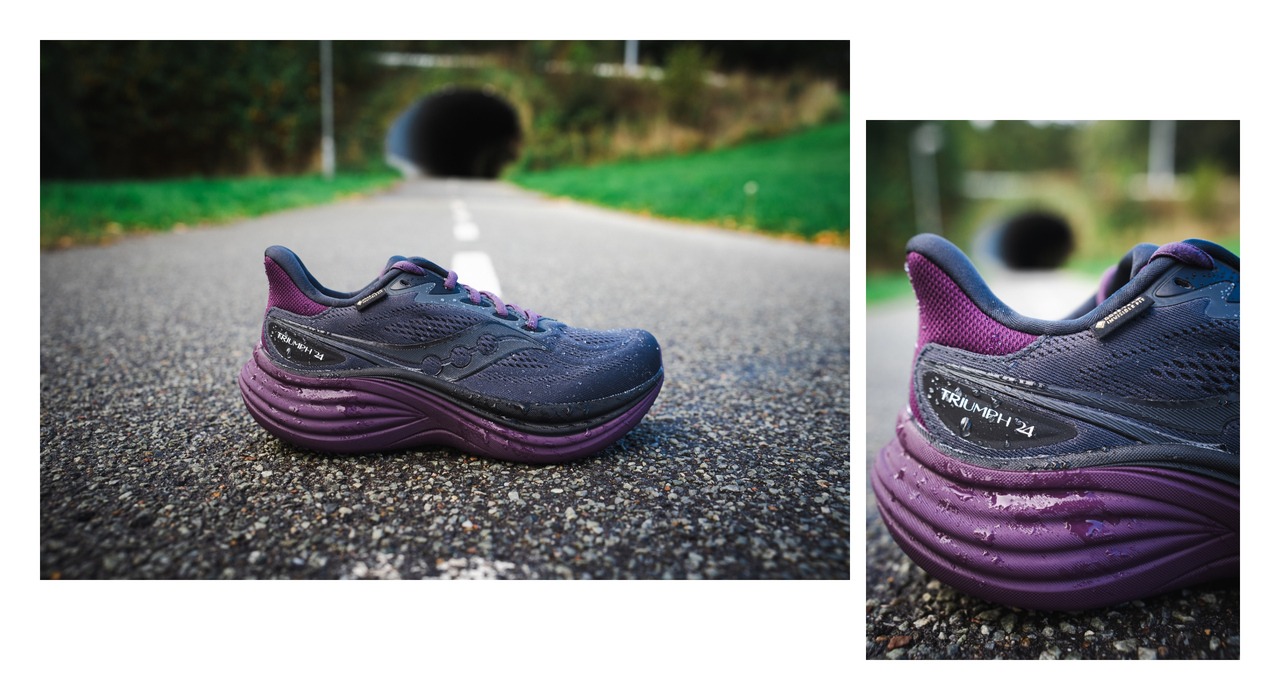
Saucony Triumph 24 GTX
Triumph is Saucony's most cushioned neutral running shoe, and the GTX version makes it ready for wet weather. incrediLUX foam gives you a soft and lively ride, even on long runs. The upper is GORE-TEX Invisible Fit, ensuring the shoe fits like a regular running shoe.
Fits you if you: run many miles on asphalt and want lots of cushioning.
| Specification | Saucony Triumph 24 GTX |
|---|---|
| Membrane | GORE-TEX Invisible Fit |
| Drop | 10 mm |
If you mostly run on asphalt in wet weather, is a good choice.
Best for Gravel
The gravel run often starts on asphalt, continues on firm gravel roads, and ends on a forest path before heading home. The surface is loose, and puddles lie in the uneven spots.
Look for: a low, tight pattern under the sole, a bit more grip than a road shoe. It should still feel good on asphalt.
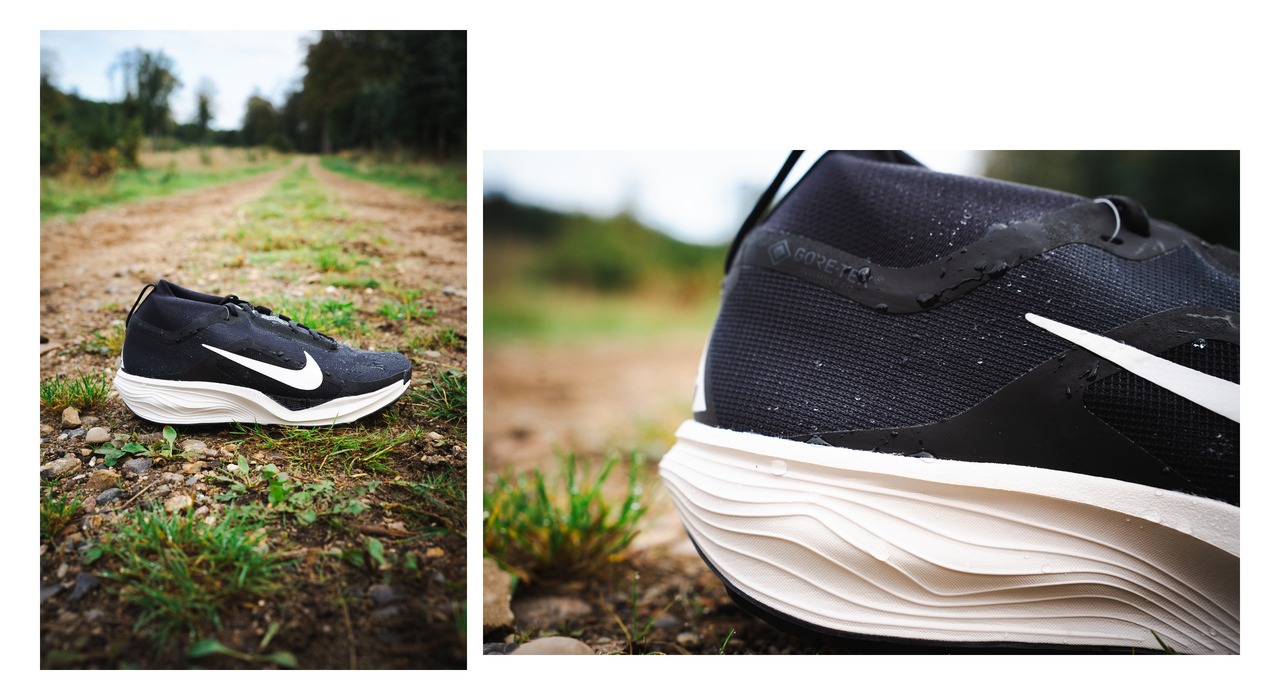
Nike ACG Pegasus Trail GTX
Pegasus Trail is built for the transition from road to trail. The pattern is low enough that the shoe doesn't feel clunky on asphalt but provides extra grip when the gravel gets wet. ReactX foam offers a cushioned and stable ride.
Fits you if you: run a mix of asphalt, gravel roads, and light trails.
Note: On muddy and technical trails, the grip isn't enough.
| Specification | Nike ACG Pegasus Trail GTX |
|---|---|
| Membrane | GORE-TEX |
| Drop | 8 mm |
If you mostly run on gravel and mixed surfaces, you should
consider .Best for forest trails
On forest trails, the ground becomes softer and more unpredictable. Roots, wet leaves, and mud mean the foot needs a secure grip, even when you can't see where you step.
Look for: deeper tread than on a gravel shoe, a stable fit around the heel, and an upper that keeps mud out.
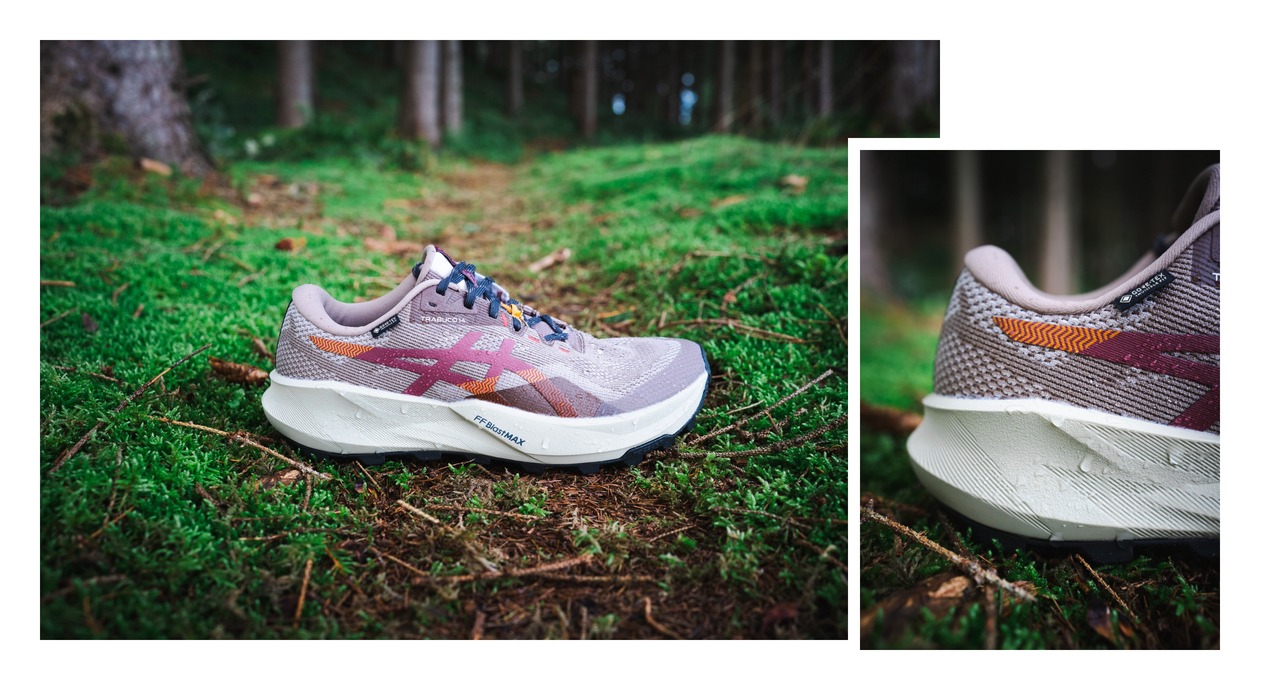
ASICS Trabuco 14 GTX
Trabuco is ASICS' versatile trail shoe, and its versatility makes it strong on forest trails. FF BLAST MAX foam provides good cushioning without making the shoe unstable, and the tread grips on roots, leaves, and mud.
Suitable for you if: you run on forest trails most of the time and want one shoe that handles it all.
Be aware: On steep and very technical trails, there are shoes with more aggressive grip.
| Specification | ASICS Trabuco 14 GTX |
|---|---|
| Membrane | GORE-TEX Invisible Fit |
| Foam | FF BLAST MAX |
is for you if you run mostly on forest trails.
Best for trail
Trail is when the path becomes steep, loose, and wet at the same time. Here, grip is crucial, and the foot must be protected from rocks and roots.
Look for: an aggressive tread with deep lugs, rubber that grips on wet rocks, and forefoot protection. Remember, even the best GTX shoe can't keep water out if it comes over the top.
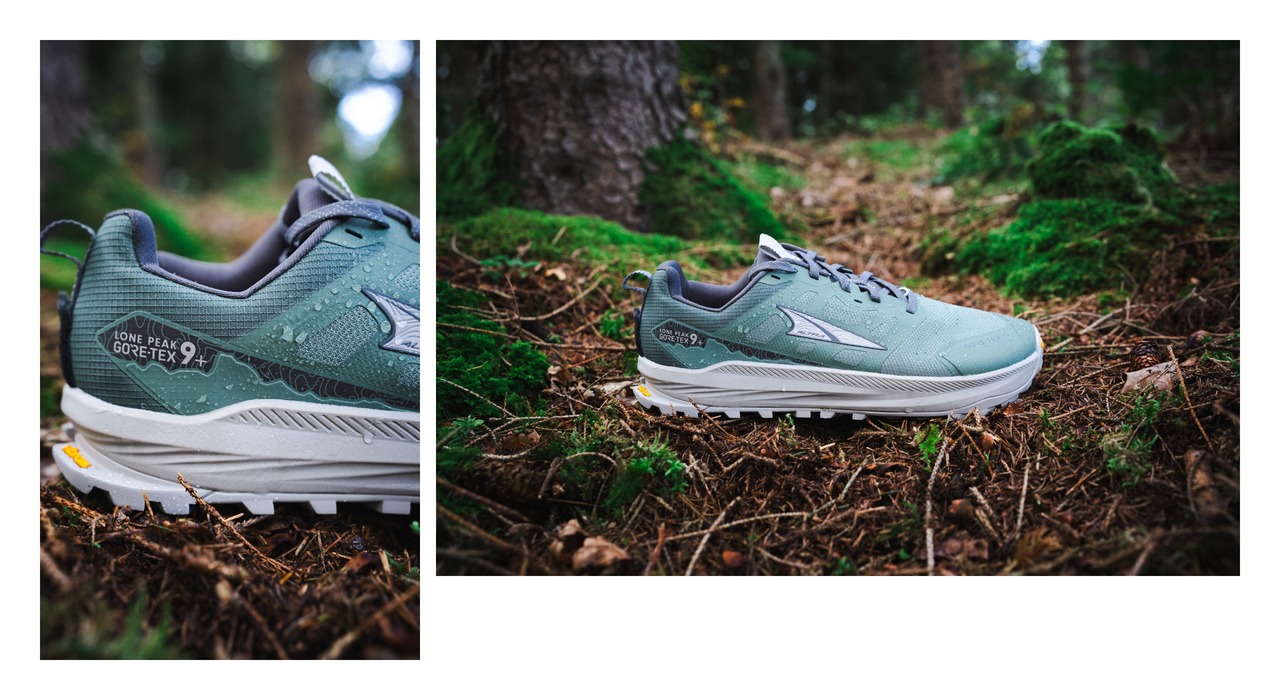
Altra Lone Peak 9+ GTX
Lone Peak is one of the most well-known trail shoes, and the 9+ GTX is built for wet and technical terrain. The Vibram Megagrip sole grips securely on both mud and wet rocks, and Altra's wide foot shape gives toes room when the ground is uneven.
Suitable for you if: you run on technical trails and want plenty of room in the forefoot.
Be aware: The shoe has 0 mm drop and provides extra feel for the trail surface, but requires an adjustment period.
| Specification | Altra Lone Peak 9+ GTX |
|---|---|
| Membrane | GORE-TEX Invisible Fit |
| Outsole | Vibram Megagrip |
| Drop | 0 mm |
If you mostly run trail in wet and technical terrain, is a shoe you should consider.
Best for hiking
A hike lasts hours, not minutes. Therefore, comfort, support, and durability are more important than weight. If you carry a backpack, the grip must also hold when going downhill.
Look for: a stable construction, preferably a higher shaft for ankle support, and an outsole that lasts many kilometers.
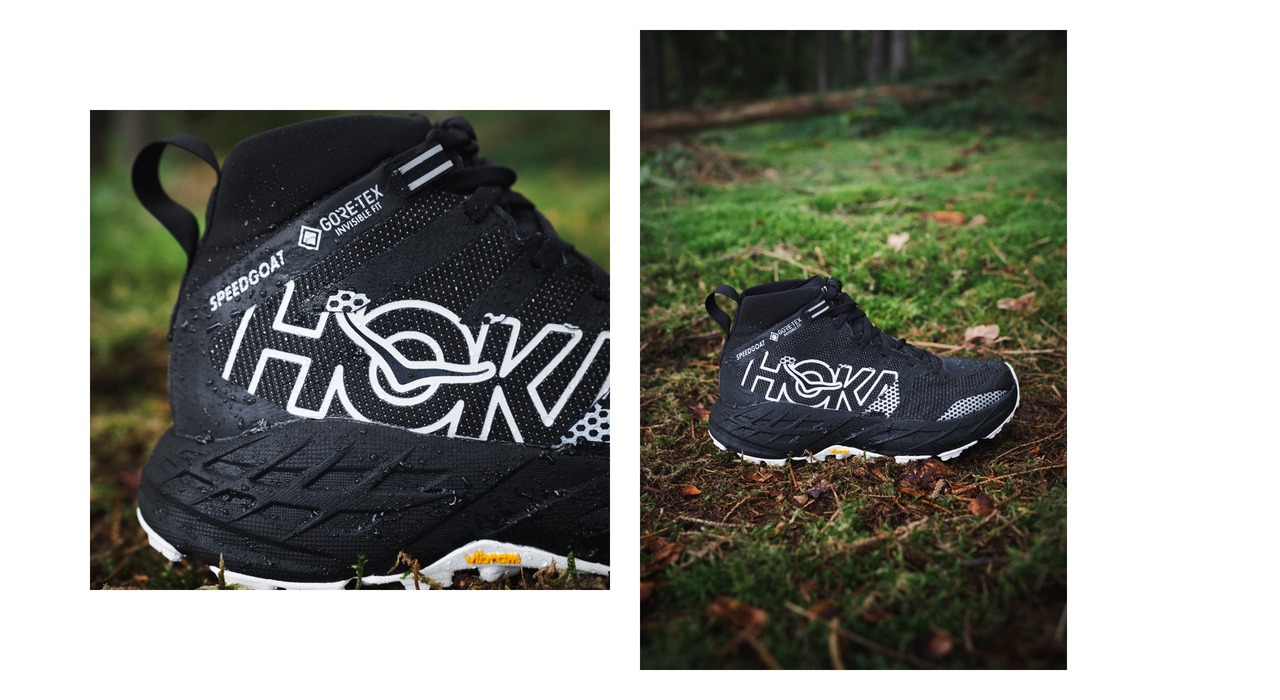
HOKA Speedgoat 7 Hike GTX
The Hike version turns HOKA's popular Speedgoat into a light . You get the same soft cushioning and Vibram grip as on the trail shoe, but with a higher shaft that supports the ankle.
Suitable for you if: you take long walks in wet terrain and want a light boot with plenty of cushioning.
Be aware: For heavy loads, a traditional hiking boot is a better choice.
| Specification | HOKA Speedgoat 7 Hike GTX |
|---|---|
| Membrane | GORE-TEX Invisible Fit |
| Outsole | Vibram Megagrip |
| Drop | 5 mm |
If you plan to hike in wet terrain, the is an excellent choice.
Which should you choose?
- Mostly pavement: Choose cushioning over grip.
- Pavement and gravel: Choose a versatile shoe for both.
- Mostly forest: Choose deeper tread and stable fit.
- Steep and technical: Choose the most aggressive grip.
- Long walks: Choose support and durability.
Frequently Asked Questions
Do GTX shoes make your feet warm?
A bit warmer than regular running shoes. In cold weather, it's an advantage, but in high intensity or warm weather, it can be too much.
How do you wash a GTX shoe?
Brush off mud, hand wash with lukewarm water, and let the shoe dry at room temperature. Do not place shoes on the radiator.
What is the difference between waterproof and water-resistant?
Water-resistant handles a short shower. Waterproof keeps water out, even when the outer fabric is soaked.
Ready for a dry run?
The right GTX shoe doesn't depend on the brand. It depends on where you run. So find your terrain, choose your shoe, and head out, even if the forecast says rain.