
Wet feet in November. Should you just stay inside? No need to worry.
This is where shoes with GORE-TEX (GTX) come into play. This waterproof membrane helps keep feet dry, whether you're running in rain, walking the dog on wet grass, or hiking muddy trails.
But there's a catch. The same membrane that keeps water out also makes it harder for heat and moisture to escape.
So when does GTX make sense? And when is a regular shoe actually a better choice? It depends on the weather, terrain, and whether you're running, walking, or hiking.
What is GTX really?
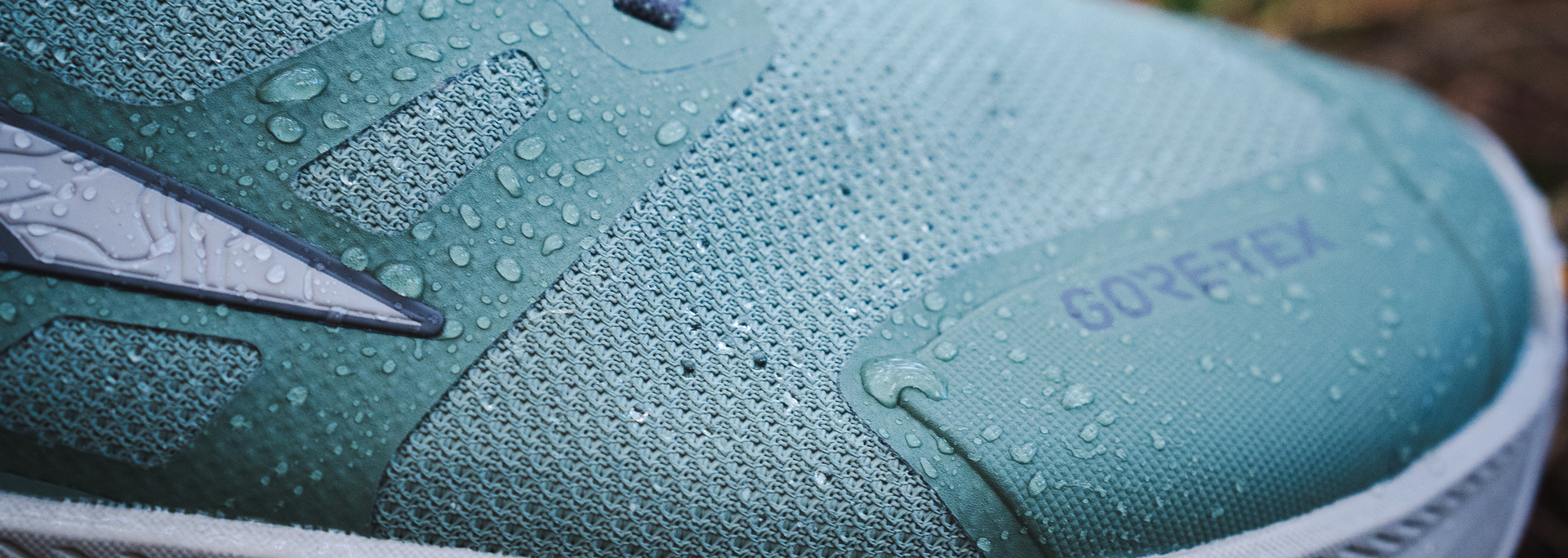
GTX stands for GORE-TEX. It's a thin, waterproof, and breathable membrane in the shoe's upper.
The membrane acts as a barrier against external water while allowing sweat vapor to escape: waterproof from the outside, breathable from the inside.
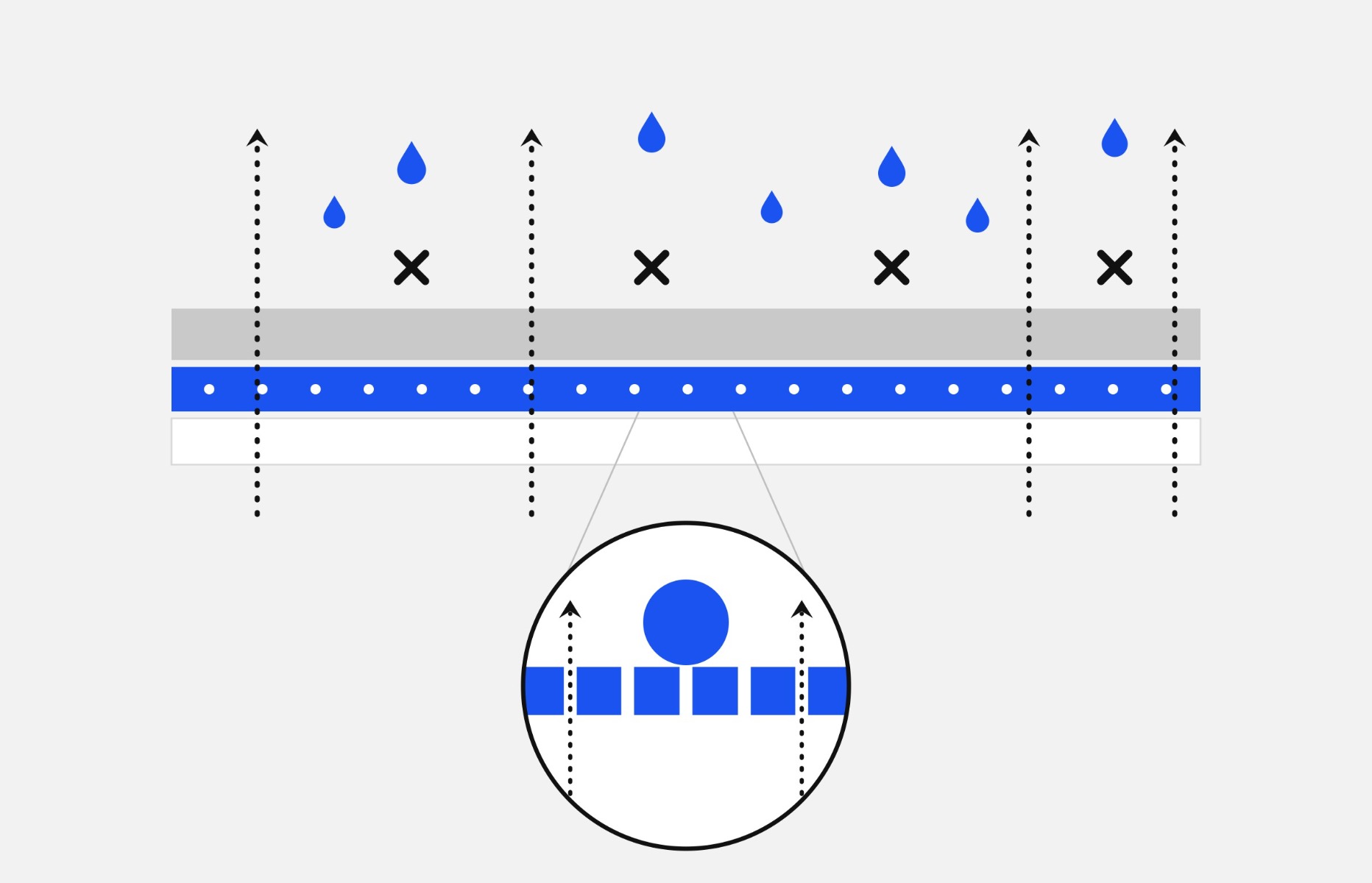
In many newer models, the membrane is integrated directly with the upper (GORE-TEX Invisible Fit). This results in a shoe that feels and fits more like a regular running shoe, without an extra layer inside.
Advantages of GTX Shoes
Dry feet in wet weather:
Rain, dew on grass, and small puddles don't penetrate the membrane. This is especially beneficial if you often venture out in wet weather.
Less cold feet:
The membrane protects against wind and water, which can otherwise cool the feet. This makes GTX particularly relevant in the colder months.
Better comfort on long, wet trips:
Wet socks can increase friction and the risk of blisters. GTX helps keep external water out, as long as it doesn't come over the shoe's edge.
Suitable for both everyday and training:
Whether you're running in winter, taking daily walks, or hiking in wet terrain, GTX can make the trip more comfortable.
Disadvantages of GTX Shoes
Warm and sweaty feet:
GTX is breathable but typically doesn't ventilate as well as open mesh. Especially at high intensity or in warm weather, feet can become sweaty, even if the shoe keeps rain out.
Water over the edge stays in the shoe:
It's the paradox of a waterproof shoe: Step in a deep puddle or cross a stream, and water can enter from the top. And it doesn't escape easily.
Longer drying time:
If the shoe gets wet inside, it typically takes longer to dry than a regular shoe without a membrane.
A bit heavier and less flexible:
GTX can add weight and make the upper less flexible, although the difference has become less noticeable in many newer models.
When Should You Choose GTX?
It's not just about the weather. It's also about what you need the shoes for.
Running: If you run through wet grass, slush, or rain on cold days, GTX can be a big advantage. But if you run fast, long, or in warm weather, a regular running shoe with better ventilation might be more comfortable.
Walking and everyday: Do you walk the dog, commute on foot, or take long walks in all kinds of weather? Then GTX can be a practical solution. You typically move here with lower intensity than during running and therefore produce less heat.
Hiking: If you're walking for hours through wet grass, mud, and rain, GTX is a good choice. But on warm hikes or routes where you need to cross streams, a shoe without a membrane that dries faster might be better.
In short: GTX makes the most sense when you expect moisture from outside and also want to protect your feet from cold. The warmer the weather and the more intensely you move, the more important ventilation becomes.
If you ask me, GTX isn't necessarily something you need in all your shoes. But it can be , if you're often out in wet and cold weather.
Which GTX Shoe Should You Choose? Start with the Terrain
The membrane keeps water out. But it's the rest of the shoe that determines how well it suits your trip.

Asphalt: Choose a shoe with good cushioning and an outsole that grips on wet pavement. Suitable for both running and longer walks.
Gravel: A versatile shoe with a bit more grip than a regular road shoe is a good choice if you switch between asphalt, gravel roads, and light trails.
Forest path: Roots, leaves, and mud require good grip and a stable fit. Here, a trail shoe might be a better choice than a regular running shoe.
Trail: Steep, loose, and wet terrain demands more from the outsole's pattern, grip, and foot protection.
Hiking: Choose based on the length of the trip, terrain, and your load. Light hiking shoes can be fine for day trips, while demanding terrain may require more stability and durability.
Remember: GTX doesn't make the shoe slip-resistant. It's the outsole's rubber and pattern that determine grip. A waterproof road shoe is therefore not necessarily suitable for muddy forest paths or slippery rocks.
We've selected for different terrains and activities.
GTX or Water-Resistant: What's the Difference?
The two terms are often used as if they mean the same thing. They don't.
Water-resistant means the outer fabric is treated so water beads off. It can handle a short shower and some wet grass, but prolonged rain can penetrate.
Waterproof (like GTX) means there's a membrane preventing water from penetrating the shoe's upper. Even when the outer fabric is soaked.
Rule of thumb: If you mostly move in dry weather with an occasional shower, water-resistant might be enough. If you're often out for extended periods in rain, wet grass, and slush, .
How to Keep Your GTX Shoes Waterproof
The GTX membrane is designed to keep water out, but dirt and improper maintenance can affect the shoe's comfort and lifespan.
Three things do most of the work:
- Brush off mud after the trip: Dirt can affect the upper and make it harder for moisture to escape.
- Clean with lukewarm water and a soft brush: Don't put the shoes in the washing machine unless the manufacturer states they can handle it.
- Dry shoes at room temperature: Avoid radiator and direct heat. Remove insoles and possibly fill shoes with paper.
Ready to Choose?
Now you know when GTX makes sense and when you might be better off with a shoe without a membrane.
The next question is: Where will you use your shoes?
Are you running on asphalt, moving on forest paths, or taking long walks in wet terrain? The terrain and activity are just as important as the membrane.
GORE-TEX® and GORE® are trademarks of W. L. Gore & Associates, Inc. GTX is the abbreviation for GORE-TEX. Other brand names belong to their respective owners.