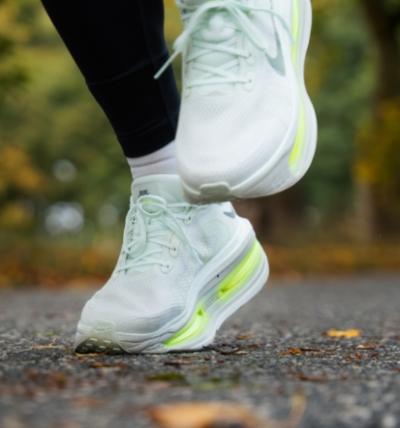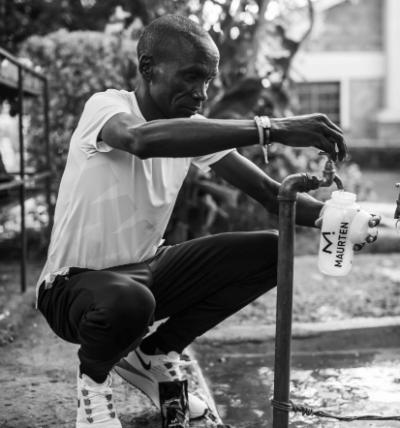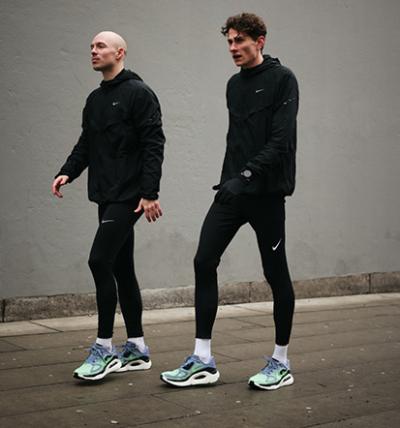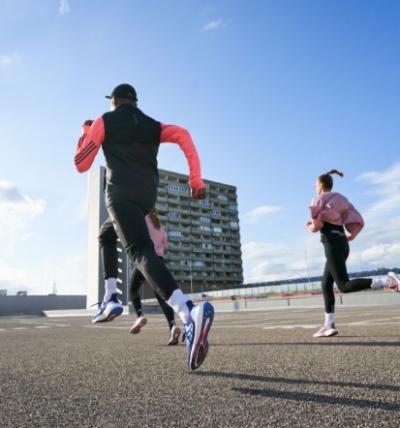

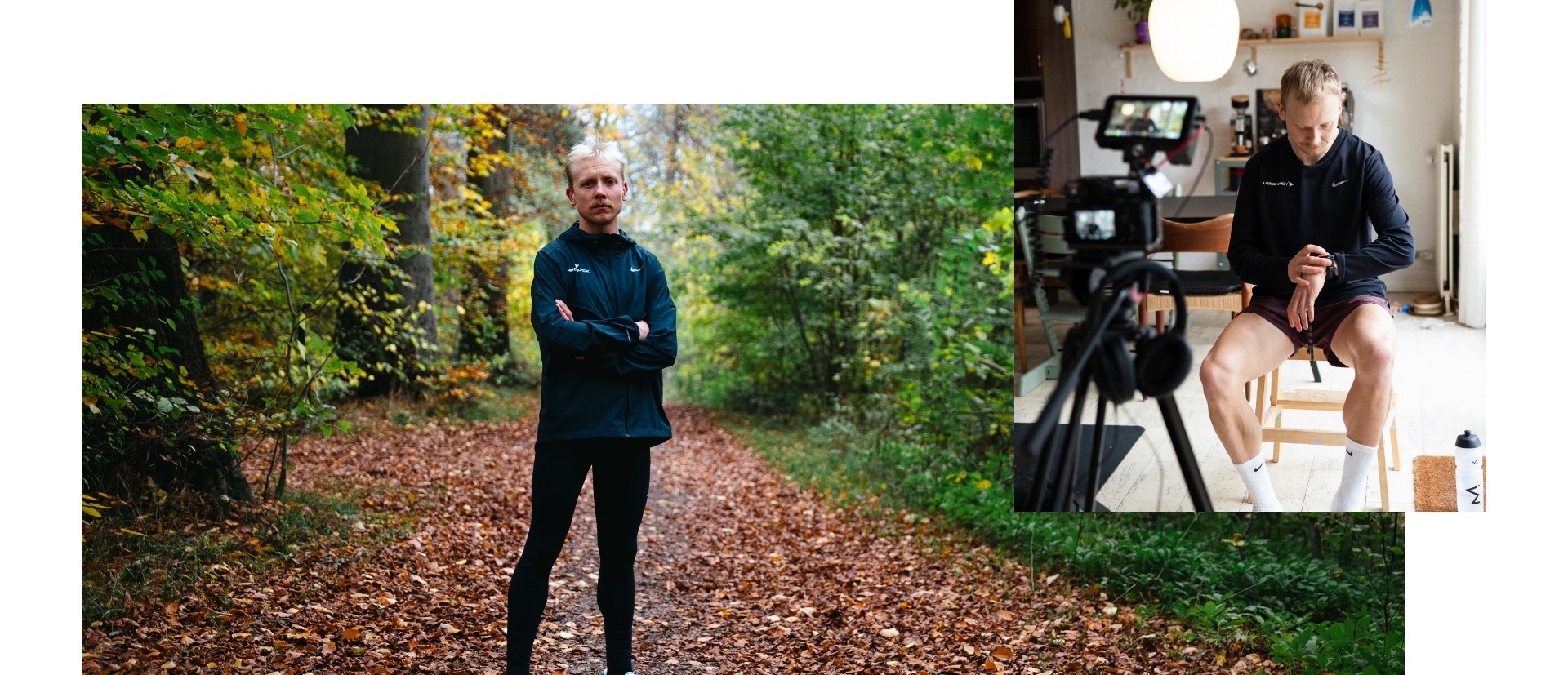
Autumn is peak season for running, and for many, the situation is the same: The summer break has taken a toll on fitness, but the race bib is already purchased. Whether the goal is a start line or just a regular routine again, the principles for a good restart are the same. We asked elite runner Jacob Simonsen where to begin.
For many, summer vacation means relaxation, spontaneous activities, and a break from regular training routines. We are different – some may train more than usual during the holiday, while others naturally let training take a backseat for a while. When everyday life and routines return, the desire to get started again often arises. The start determines whether the body gets the best conditions.
Below are my six tips on how to rebuild training without overloading the body – whether there's a race in the fall or you just want to get back into a routine.
1. Accept that fitness may have changed
After a few weeks off or focusing on other things, fitness, strength, and endurance may have changed and dropped slightly. It doesn't mean you're starting from scratch. The body has an impressive ability to quickly regain previous form when training resumes. Avoid comparing yourself to where you were before the break. Instead, start from your current level. Don't chase old times or performances from before the break – they'll come back. Focus on having good training experiences and creating a stable rhythm.
That fitness dips before it rises again is not a coincidence but a fundamental principle in all training. You can read more about it in the guide to .
2. Start a bit slower than you want
Many find that motivation is higher than physical form. It can be tempting to train as far, as fast, and as hard as before the break, but it increases the risk of overload and injury.
It's similar to starting after New Year: You're motivated, increase training volume quickly, and end up either injured or losing motivation. A gradual start provides much better conditions for maintaining training. I've previously written about .
A good tip is to:
- Reduce intensity in the first 1-2 weeks after the break.
- Keep training sessions shorter than usual.
- Give the body time to gradually adjust to the load again.
You'll often find that the body adapts faster than expected if you give it the right conditions.
It's rarely the total weekly volume that causes problems at the start. It's the big individual sessions – the very long run or the very hard interval. Therefore, it can be beneficial to spread the week's training over several, slightly shorter sessions instead of concentrating it into a few hard workouts.
3. If motivation is lacking
For some, it's not the body but motivation that's the biggest challenge after a break. Here are three things that can help you get back into a good routine:
- Set aside time for training. Agree with yourself to spend 30 minutes in the morning getting out the door. Whether it's a walk, a short run, or a longer session, is less important – the key is to establish the habit.
- Make it easy to get going. Lay out your workout clothes the night before and have a plan for the next morning. If it fits your schedule, you can also use the commute to or from work as your daily training.
- Find your own motivation. Consider why you train. Is it to gain more energy, create a break in a busy day, improve your health, or be part of a social community? Knowing your own drive makes it easier to stick to habits.
4. Focus on consistency over perfection
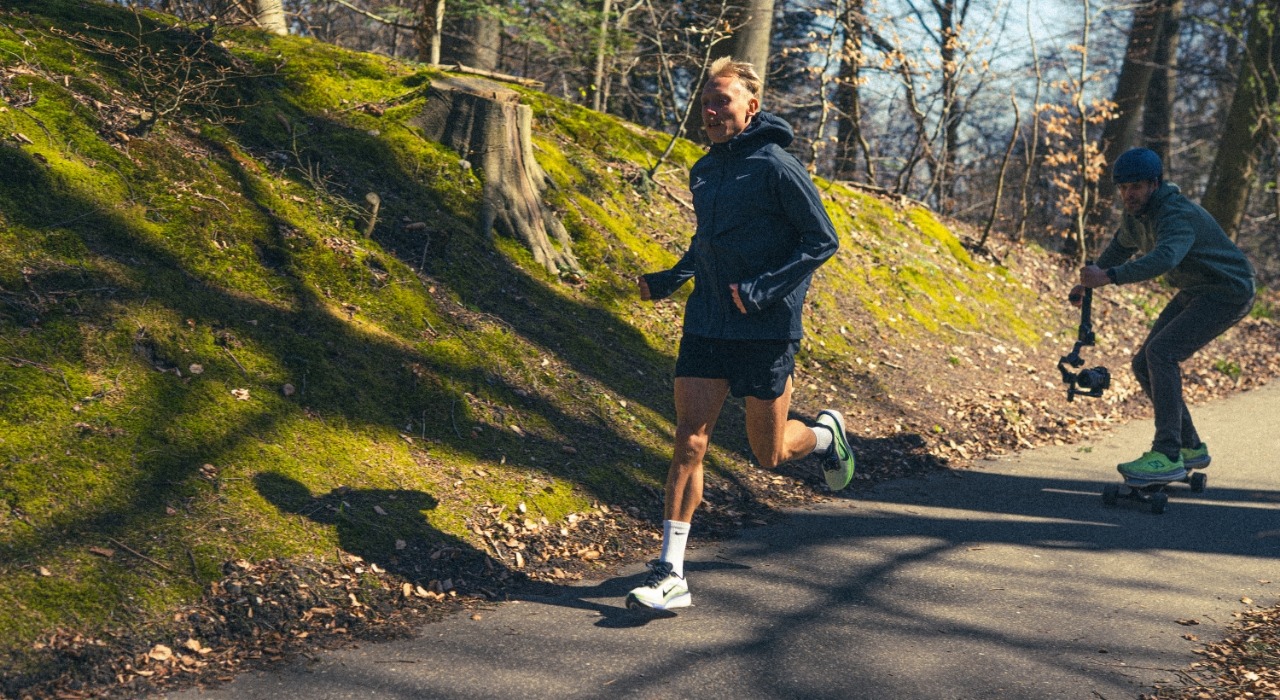
The goal should be to create consistency. Two or three good training sessions a week are far more valuable than one very hard session followed by several days of soreness or an overuse injury. Regularity beats single top performances when the goal is to create good habits and build a robust body. A week where you trained twice instead of the planned three times is not a failed week. It counts.
5. Listen to your body
Slightly sore muscles are a natural part of starting up again – both after running and strength training. Persistent pain in joints or tendons is a signal to slow down and give the body extra time to catch up.
Recovery is an important part of training – especially in the first weeks. Sleep, good nutrition, and adequate hydration significantly affect how the body responds to increased load. If you want to delve deeper, we've compiled everything in .
6. Set realistic goals
Motivation is easier to maintain when goals are concrete and realistic. Instead of focusing on personal records initially, set more process-oriented goals like:
- Completing the number of training sessions planned for the week.
- Being active for a certain number of minutes or hours each week.
- Returning to your regular training routines.
- Feeling more energy and surplus in daily life.
If you have a race in the calendar soon, the same applies: Use the first weeks to rebuild rhythm rather than chase speed. There's rarely anything gained by pushing fitness in three weeks, and much to lose.
When small goals succeed, larger results often follow naturally.
| Six Tips for a Good Restart | |
|---|---|
| 1. Fitness | Start from your current level, not what you could do before the break. |
| 2. Start | Lower intensity for the first 1-2 weeks, and keep sessions shorter than usual. |
| 3. Motivation | Set time aside, make it easy to get going, and find out why you train. |
| 4. Consistency | Two-three stable sessions a week beat one hard session followed by soreness. |
| 5. Body | Sore muscles are normal. Persistent joint and tendon pain is a stop signal. |
| 6. Goals | Aim for completed sessions rather than records in the first weeks. |
Remember, everyone starts somewhere
Almost everyone experiences periods where training is paused. Whether the break is due to summer vacation, injury, illness, or something else, the same principles apply: Start slowly, be patient, and give the body time to adjust again.
Gradually build up training, and enjoy the small progress along the way. Before long, both fitness, strength, and surplus will be on their way back – and you've created a solid foundation for the rest of the season.
Ready to get started again?
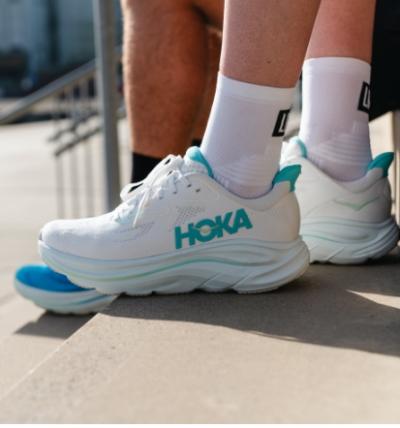
If you want to follow Jacob's advice and build training up slowly, gear is a good place to start. If your shoes have been idle over the summer, a fresh pair of can make the first weeks more
comfortable for both knees and calves. If the wardrobe also needs updating for the fall weather, you can find it in our selection of .
If you want to monitor how the body reacts to the increased load, a can show you resting heart rate and recovery along the way. Two good indicators when building up after a break.